
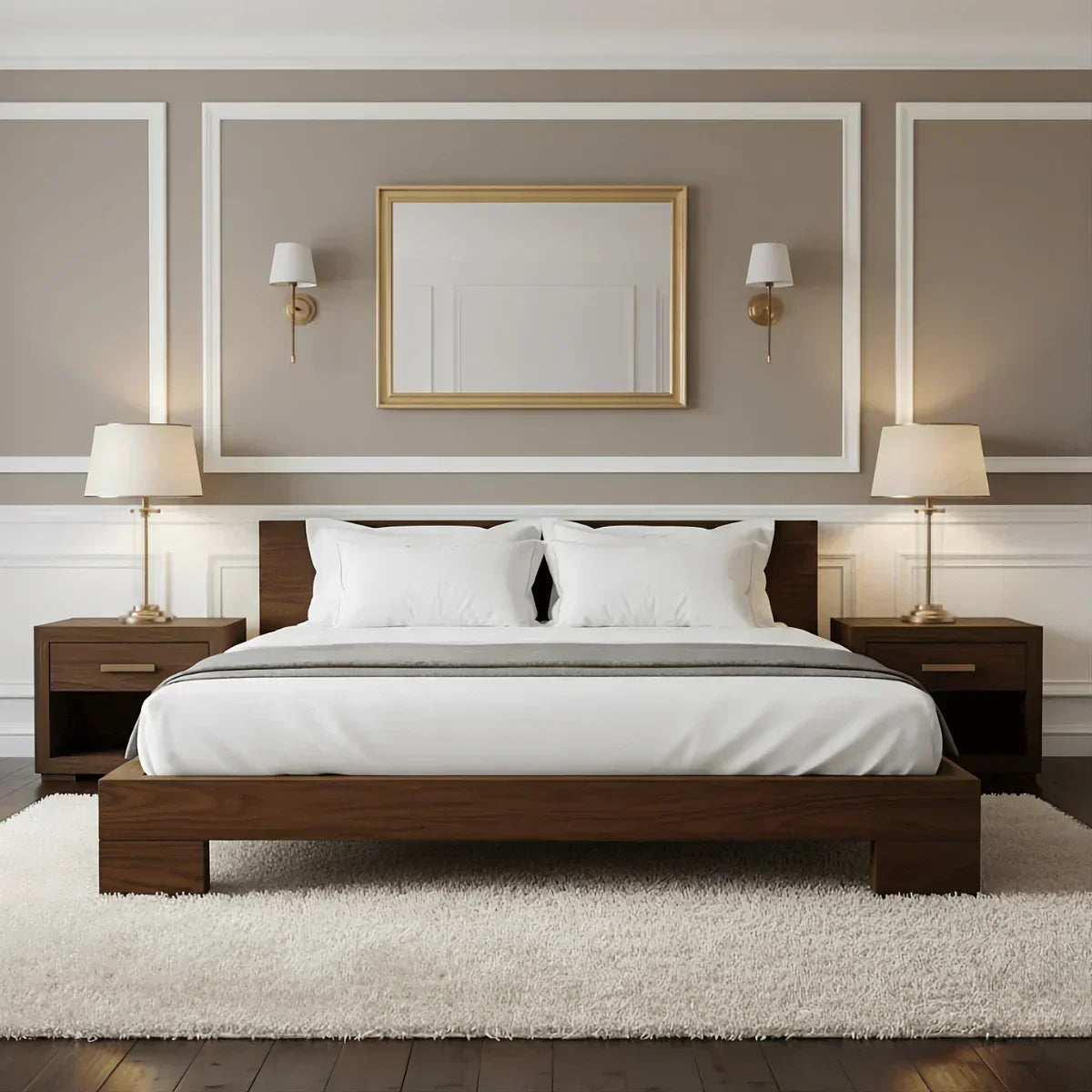
Every year the design world announces what's in. Pantone reveals its color of the year. Pinterest publishes its trend report. Interior designers flood Instagram with mood boards. And homeowners everywhere feel a familiar pressure - is my home still relevant?
Here's the truth that experienced designers know and rarely say out loud: the most beautifully designed homes you've ever walked into weren't chasing trends. They were built on something quieter, and far more lasting.
This guide covers the five most important interior design directions shaping 2026 - and for each one, we'll show you what's worth investing in and what to skip. Because the real goal isn't a home that looks current in 2026. It's a home that feels timeless in 2036.
Whether you're refreshing your living room, redesigning your dining room, or finally investing in a bedroom that feels like a true retreat - this guide is for you.
"A great home isn't decorated. It's composed - slowly, deliberately, and with an eye on forever."
Quick Summary
-
Interior design trends change every few years
-
2026 focuses on natural materials, craftsmanship, and intentional spaces
-
The common thread across all trends → solid wood furniture
-
Investing in timeless materials matters more than following trends
Trend 1: Organic Minimalism - Natural Materials, Warm Neutrals
What it is: The maximalist phase of the 2010s is firmly over. 2026's dominant aesthetic is quieter, warmer, and deeply material-led. Think raw linen, unglazed ceramics, stone surfaces, and above all - solid wood. Palettes are warm neutrals: off-white, sand, clay, warm grey, and deep espresso.
Why it's happening: Post-pandemic living shifted priorities. People spend more time at home and want spaces that feel genuinely calm, not just visually clean. Organic minimalism delivers that calm through texture and material rather than color or decoration.
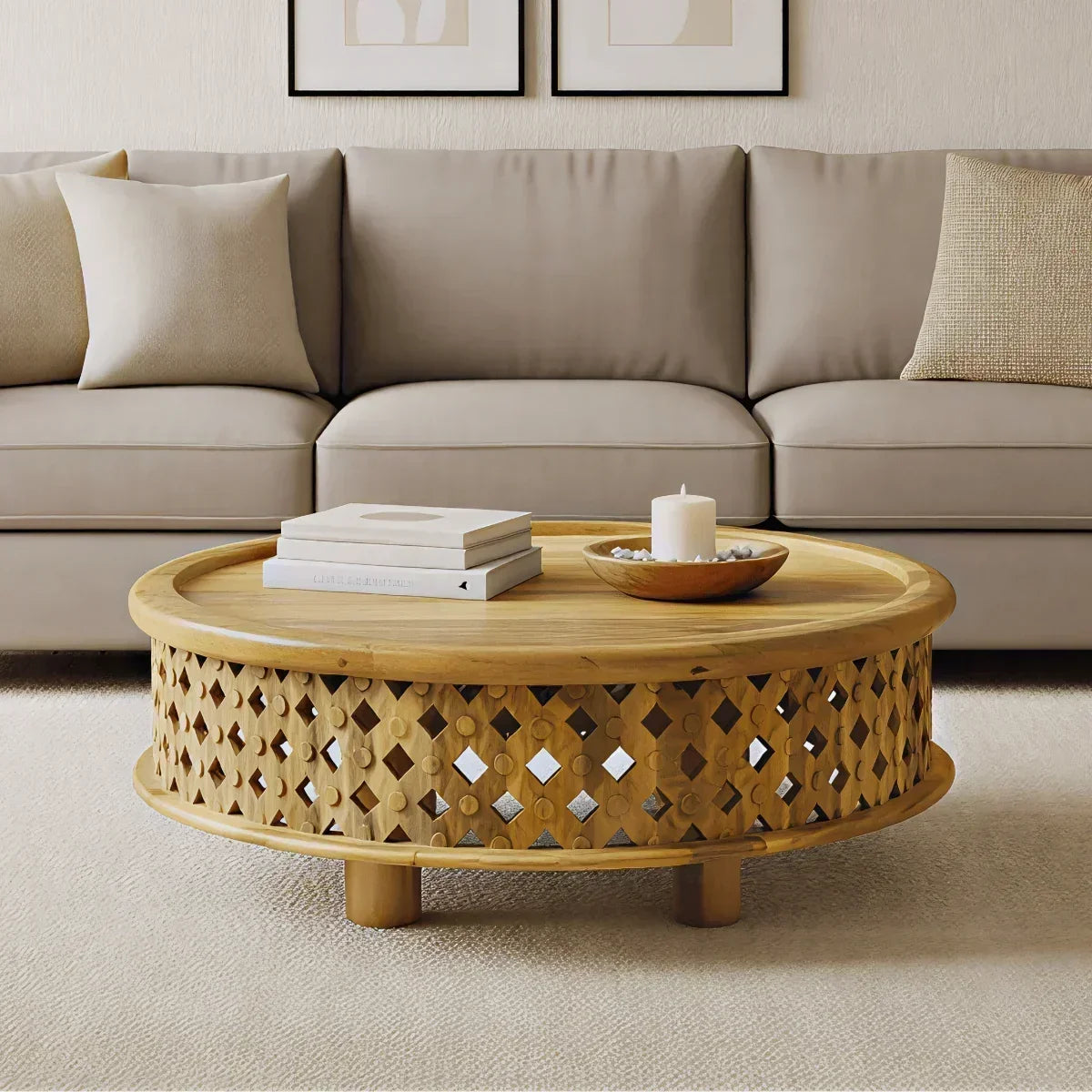
What to invest in: The anchor pieces - the furniture that carries the room. A solid wood dining table in warm acacia or mango, a handcrafted coffee table with visible grain - these are the pieces that make the trend work. They don't just follow organic minimalism; they are organic minimalism.
What will outlast the trend: Natural wood furniture. Long after the specific color palette shifts and the ceramic vase trend fades, a solid wood piece will still look exactly right - because it's made from the earth, not a design movement.

Trend 2: Crafted Imperfection - Celebrating the Handmade
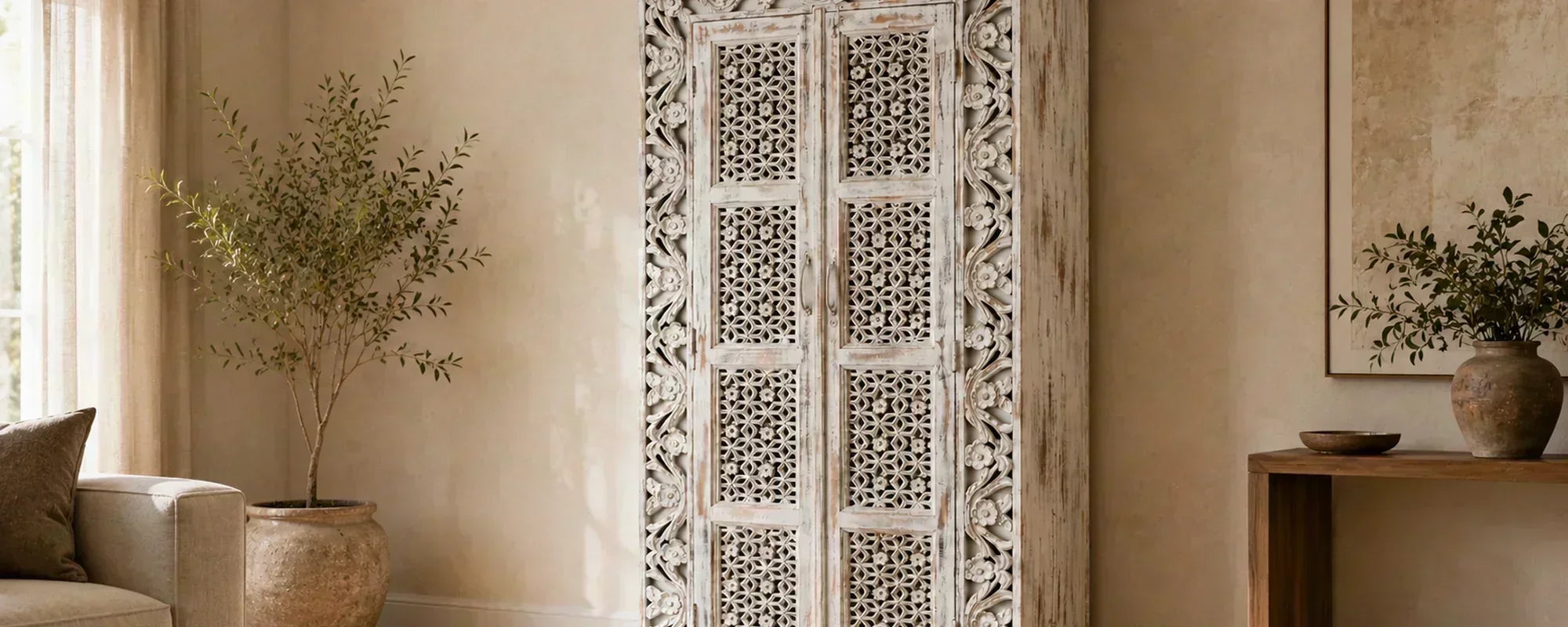
What it is: The mass-produced, perfectly uniform furniture era is being actively rejected by today's most design-aware buyers. In 2026, the visible hand of the maker is not a flaw — it's the feature. Slightly irregular grain patterns, hand-applied finishes that vary slightly surface to surface, visible joinery, carved details — these are the marks of real craft, and they are being sought out deliberately.
Why it's happening: When everything around us is algorithmically optimized and machine-perfect, imperfection feels genuinely luxurious. A piece with a hand-carved detail or an artisan finish signals something that cannot be replicated at scale: human attention.
What it is: The mass-produced, perfectly uniform furniture era is being actively rejected by today's most design-aware buyers. In 2026, the visible hand of the maker is not a flaw - it's the feature. Slightly irregular grain patterns, hand-applied finishes that vary slightly surface to surface, visible joinery, carved details - these are the marks of real craft, and they are being sought out deliberately.
What will outlast the trend: The craftsmanship itself. A well-made handcrafted piece doesn't become less beautiful as trends shift - it becomes more valuable as mass production proliferates.

Trend 3: The Return of the Statement Dining Room
What it is: After years of open-plan living diminishing the dining room's identity, 2026 sees a strong return of the dining room as a deliberate, designed space. Homeowners are investing in dining rooms that feel intentional - not just functional. Statement dining tables, carefully chosen chairs, and considered sideboards that anchor the space visually.
Why it's happening: The rise of intentional hosting culture - people want their homes to be places where gatherings feel meaningful, not incidental. The dining room is the center of that.
What to invest in: A dining table that actually fits the room - in scale, in material, in character. Not the table that was on sale. The table that makes every meal feel like an occasion. Pair it with a solid wood sideboard that provides both storage and visual weight to the room.
What will outlast the trend: A great dining table never goes out of style. It becomes a family heirloom. The trend of "caring about your dining room" may wax and wane, but the dining table you invested in will still be there, still beautiful, long after the trend cycle has moved on.

Trend 4: Biophilic Design and Wood-Forward Interiors
What it is: Biophilic design - The practice of bringing natural elements into interior spaces - is no longer a niche concept. In 2026, it has become the dominant framework for how people think about their homes. Natural light, plants, stone, water features, and above all, wood - used not as decoration but as the primary material language of the space.
Why it's happening: The science is clear: spaces with natural materials reduce stress, improve mood, and enhance overall wellbeing. Homeowners know this intuitively even if they don't know the research. They simply feel better in homes that contain real wood than in homes that don't.
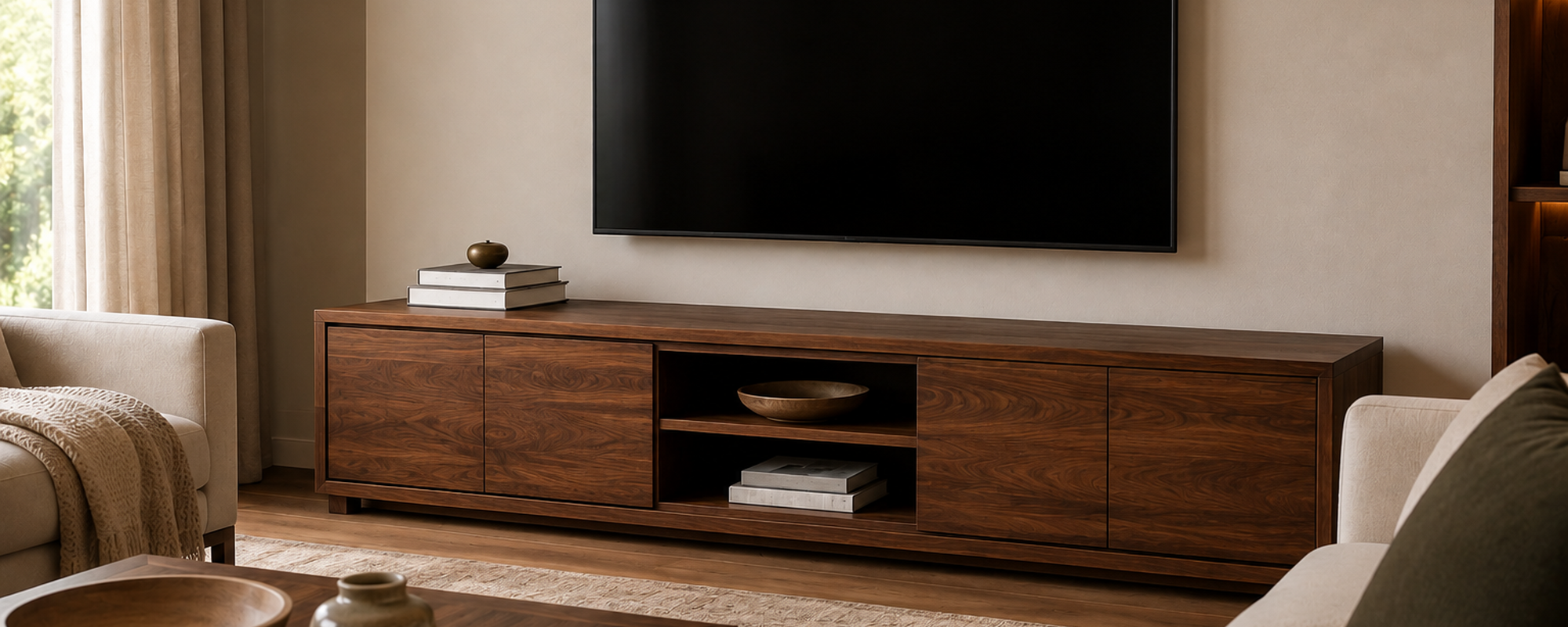
What to invest in: Wood as architecture, not accessory. A solid wood TV cabinet that becomes a feature wall element. A console table in the hallway that introduces natural warmth the moment you walk through the door. A wooden bed frame that makes the bedroom feel genuinely restorative.
What will outlast the trend: Wood itself. Biophilic design is not a trend - it's a return to how human beings have always lived. The trend label will fade. The material truth - that natural wood makes spaces feel better - will not
Trend 5: Investment Pieces Over Refresh Culture
What it is: Perhaps the most significant design shift of 2026 is not aesthetic - it's philosophical. After years of "refresh culture" - buying inexpensive pieces frequently, following micro-trends, treating furniture as seasonal - a growing number of homeowners are consciously moving in the opposite direction. They are buying less. Buying better. And expecting what they buy to last.
Why it's happening: A combination of sustainability consciousness, financial pragmatism, and genuine aesthetic fatigue with rooms that feel assembled rather than designed.
This shift is especially visible among homeowners designing long-term spaces rather than temporary interiors.
What to invest in: Your anchor pieces first. The dining table. The bed frame. The sideboard. The coffee table. Get one right, and it raises the standard for everything around it. Invest in solid wood - the only furniture material that genuinely improves with age and can be refinished rather than replaced.
What will outlast the trend: The pieces themselves. The "investment over refresh" mindset may be a trend label in 2026. But a solid wood dining table purchased this year will still be in your home - and your family's home - in 2046. That is not trend behavior. That is simply good judgment.
What All 2026 Trends Have in Common
-
Focus on natural materials
-
Emphasis on craftsmanship
-
Shift toward long-term investment
-
Preference for warm, lived-in spaces
The One Thing That Outlasts Every Trend
Five trends. Five different aesthetics. Five different reasons people are rethinking their homes in 2026.
But look closely and you'll notice that every single one of them points to the same thing: solid wood furniture.
Organic minimalism? Solid wood is its primary material. Crafted imperfection? Solid wood is the medium. Statement dining? Built around a solid wood table. Biophilic design? Solid wood is the most accessible natural material available. Investment over refresh? Solid wood is the only furniture material that earns that label honestly.
Trends come and go every eighteen months. Real wood has been furnishing beautiful homes for thousands of years. It will still be doing so long after the 2026 trend reports are forgotten.
At Oak & Loom, we build exclusively with 100% solid wood - no exceptions, no shortcuts - because we believe that what you bring into your home should be built to deserve it. Explore our full collection of dining room furniture, living room furniture, and bedroom furniture - and find the piece that will still be beautiful in your home twenty years from now.
"The best interior design decision you will make in 2026 is to stop following trends and start investing in materials. Real wood. Real craft. Real home."
→ Explore the full Oak & Loom furniture
→ we'll help you find the right piece for your space contact our team
Share:
Hardwood vs Engineered Wood Furniture: The Truth That Could Save You Thousands
How to Choose a Family Dining Table You Won't Outgrow in 5 Years