
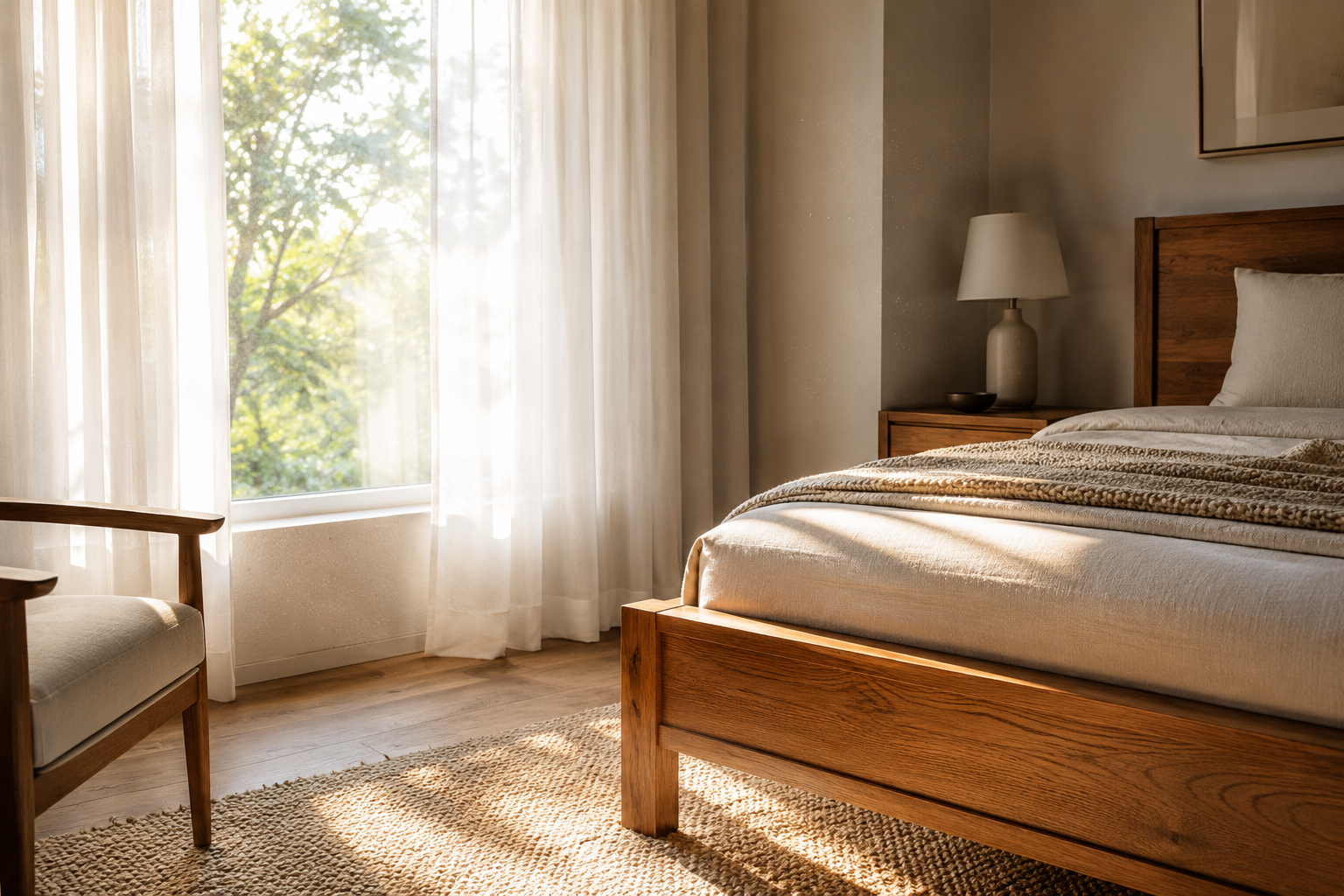
It happens every June without fail. The temperature climbs, the air thickens with humidity, and somewhere in the house a drawer that opened perfectly all winter suddenly sticks. A joint that was silent for two years begins to creak. A tabletop that looked flawless in February suddenly shows a faint seam where the boards have naturally shifted with the changing humidity. Nothing is broken. Nothing is dramatic. But something has shifted-and if you don't know what's happening or why, it can feel unsettling.
What you're witnessing is solid wood doing exactly what solid wood does. It breathes. It responds to the moisture in the air around it-expanding when humidity rises and contracting when it falls. This isn't a flaw-it's one of the defining characteristics of genuine solid wood furniture. Unlike MDF or engineered wood, real hardwood is a natural material that continuously reacts to changes in its environment.
But understanding why it happens is only half the picture. The other half is knowing what to do about it-which conditions to maintain, which habits protect your furniture, and which common mistakes quietly accelerate damage over time. By the end of this guide, you'll know how to protect your solid wood bed frame, bedroom furniture, dining tables, and every other hardwood piece in your home from summer heat and humidity with confidence.
"Solid wood furniture doesn't need to be protected from its environment. It needs to be given an environment it can work with."
Why Solid Wood Reacts to Summer Conditions
Before any care advice makes sense, it's important to understand what's happening inside the wood. Solid hardwood-whether mango, acacia, teak, walnut, or oak-is hygroscopic, meaning it naturally absorbs and releases moisture from the surrounding air in a continuous process of equilibration. When the relative humidity in your home rises, the wood fibers absorb moisture and expand. When humidity drops, they release moisture and contract.
During summer, many US homes experience indoor relative humidity levels between 60% and 80%, with even higher levels common in coastal and southern regions. The ideal indoor humidity range for solid wood furniture is 35% to 55%. When humidity consistently falls outside this range, seasonal wood movement becomes more noticeable, increasing the risk of swelling, sticking drawers, surface movement, and joint stress.
The movement itself is not destructive. Wood has been expanding and contracting with the seasons for as long as furniture has existed, and high-quality solid wood furniture is designed to accommodate that natural movement. Mortise and tenon joinery-used throughout Oak & Loom's collection-allows the wood to move in a controlled way rather than concentrating stress at a single point. Likewise, kiln-drying the wood before fabrication reduces its moisture content to a stable baseline, significantly minimizing seasonal movement compared to air-dried or green wood.
The real problem isn't natural movement-it's uneven movement. For example, one side of a panel may be exposed to humid air while the other remains dry, direct sunlight may heat one section of a tabletop while the rest stays cool, or an air-conditioning vent may continuously blow dry air onto one part of a piece while the room remains humid. These uneven conditions create internal stress that can eventually lead to warping, cracking, finish damage, sticking drawers, or loose joints-not the slow, predictable movement of well-maintained solid wood furniture in a stable indoor environment.
Step 1 - Maintain the Right Indoor Humidity
Everything else in this guide builds on this one principle. The single most effective way to protect solid wood furniture during summer is to keep your indoor relative humidity between 40% and 55%. Maintaining this range minimizes seasonal expansion and contraction, helping prevent swelling, sticking drawers, surface movement, and joint stress.
A dehumidifier is the most effective tool for maintaining stable humidity. In high-humidity regions-such as the Southeast, Mid-Atlantic, Gulf Coast, and Pacific Northwest-running a dehumidifier throughout the summer helps keep indoor conditions within the ideal range for solid wood furniture. Modern models with built-in humidistats allow you to set a target humidity level and maintain it automatically without constant monitoring.
Air conditioning helps, but it shouldn't be your only line of defense. While central AC removes moisture as it cools your home, it may not reduce humidity below 60% in particularly humid climates or poorly insulated rooms. In these situations, using both air conditioning and a dehumidifier provides the most reliable protection.
A digital hygrometer-available for under $20 at most hardware stores-lets you monitor humidity instead of relying on guesswork. Place one in each room where you keep solid wood furniture, such as bedrooms, living rooms, or dining areas. Aim for readings between 40% and 55%. If humidity remains above 60% for several days, it's time to run a dehumidifier. If it consistently drops below 35%-more common during winter with forced-air heating-a humidifier helps prevent excessive drying, shrinking, and cracking.
Step 2 - Protect Furniture From Direct Sunlight and Heat
While humidity is the biggest threat to solid wood furniture during summer, prolonged exposure to direct sunlight can be just as damaging. Together, heat and humidity accelerate many of the problems homeowners notice during the warmer months.
Ultraviolet (UV) rays gradually fade and dry out wood finishes, breaking down the protective oil, wax, or lacquer that shields the wood from moisture. As the finish deteriorates, the wood underneath becomes more vulnerable to uneven moisture absorption, increasing the likelihood of surface checking, fine cracks, and discoloration.
Direct sunlight also creates uneven temperatures across a piece of furniture. A tabletop with one side exposed to sunlight and the other in shade can experience temperature differences of 20°F or more. Over time, this uneven heating causes one section to expand or contract differently from the rest, leading to warping, surface lifting, or stress around joints.
The solution is straightforward. If your solid wood bedroom furniture receives direct summer sunlight, use sheer curtains or UV-filtering window film to diffuse the light without darkening the room. Even moving furniture a few inches away from a south- or west-facing window can significantly reduce prolonged UV exposure. Smaller pieces, such as solid wood nightstands, should also be repositioned during peak summer months whenever possible.
Air-conditioning vents deserve equal attention. Constant airflow directed at one section of a solid wood surface creates localized drying that can eventually lead to checking—fine cracks that appear in the finish. Redirect vents away from furniture or install vent deflectors to distribute airflow more evenly.
Step 3 - Clean the Right Way During Summer
Summer often brings more dust, higher humidity, and increased everyday use of furniture. These seasonal changes make regular cleaning even more important-but using the wrong products can cause unnecessary damage.
Dust your furniture regularly with a soft, dry microfiber cloth. On carved pieces-such as the Bellflower or Winnetka bed frames-dust collects inside detailed carvings where it can trap moisture and gradually affect the finish. A soft-bristled brush, such as a clean paintbrush or dedicated furniture brush, safely removes dust from intricate details without scratching the surrounding surface.

For deeper cleaning, use a soft cloth that's only slightly damp with water and a small amount of mild soap. The key is using as little moisture as possible. Wring the cloth thoroughly before wiping the surface, then immediately follow with a dry microfiber cloth. Leaving standing water on any hardwood surface-even one with a durable finish-can eventually cause grain raising, finish clouding, or moisture damage.
Avoid multi-surface sprays, silicone-based polishes, and cleaning products that aren't specifically designed for hardwood furniture. Silicone-based products can leave behind residue that interferes with future refinishing. Instead, use a furniture-grade wax or natural oil that matches your furniture's finish to keep the surface protected throughout the summer.
Step 4 - Protect Furniture From Everyday Summer Habits
Summer doesn't just change the weather-it also changes how we use our homes. More time indoors, cold drinks on bedside tables, and windows opened for fresh air all create new risks for solid wood furniture.
Condensation from cold drinks is one of the most common causes of white rings on hardwood surfaces. Moisture becomes trapped beneath the finish, creating cloudy marks that are often difficult to remove without refinishing. This is especially common on bedside tables and side tables. The solution is simple: always use a coaster. Cork, felt, or wooden coasters provide an effective barrier between moisture and the wood surface.

Opening windows during the early morning or late evening can quickly raise indoor humidity, especially in humid climates where outdoor moisture levels peak at those times. If you prefer natural ventilation, open windows during the drier midday hours whenever possible.
Hot dishes, mugs, or serving trays can also damage wood finishes-even when placed on top of a tablecloth. Heat gradually weakens the finish and compounds the effects of sunlight and humidity. Use trivets or heat-resistant pads whenever placing hot items on solid wood surfaces.
"The small habits-the coaster, the curtain, the dehumidifier setting-are what make the difference between furniture that looks the same at fifteen years as it did at one, and furniture that quietly shows every summer it wasn't given what it needed."
Step 5 - Refresh the Protective Finish Before Summer
Your furniture's finish is its first line of defense against moisture, heat, and everyday wear. Keeping that finish in good condition helps slow moisture absorption and protects the wood throughout the summer months.

For most oil- or wax-finished hardwood furniture, one maintenance treatment each year is usually sufficient, and the beginning of summer is an ideal time before humidity levels peak.
Oil finishes penetrate deep into the wood, nourishing the grain while improving its natural resistance to moisture. Apply a furniture-grade oil that's suitable for your wood species-such as tung oil, linseed oil, or the finish recommended by the manufacturer-in a thin, even coat. Allow it to absorb for 20 to 30 minutes before buffing away any excess with a clean cloth. Always test the product on a hidden area first and follow the manufacturer's care instructions. Applying too much oil can leave behind a sticky surface that attracts dust instead of protecting the wood.
Wax finishes form a protective layer on top of the wood and provide additional resistance to moisture and everyday wear. For frequently touched surfaces-such as nightstands, dining tables, and bed headboards-a light coat of quality paste wax after oiling offers extra protection throughout the summer.
If your Oak & Loom furniture has a lacquer or polyurethane finish, the maintenance routine is different. These finishes don't require annual reapplication, but they should be inspected regularly for chips, scratches, or worn areas. Any damaged section of the finish allows moisture to reach the wood more easily, making early touch-ups far easier than repairing swelling, checking, or finish failure later.
For more detailed finish care instructions, read our guide on how to protect a wooden dining table. The same maintenance principles apply to bed frames, nightstands, dining tables, and other solid hardwood furniture throughout your home.
Summer Humidity Protection: Quick Comparison Guide
|
Situation |
Safe for Solid Wood |
Potential Risk |
|
Indoor humidity 40–55% |
Ideal humidity range for year-round stability |
|
|
Indoor humidity above 60% |
|
Swelling, sticking drawers, joint stress, and surface movement |
|
Indoor humidity below 35% |
|
Shrinking, cracking, checking, and joint gaps |
|
Direct sunlight on furniture |
|
Finish fading, uneven drying, warping, and discoloration |
|
Sheer curtains or UV-filtering window film |
Reduces UV exposure and protects the finish |
|
|
AC vent blowing directly on furniture |
|
Localized drying, finish checking, and uneven wood movement |
|
Using a dehumidifier during summer |
Maintains stable indoor humidity and minimizes seasonal movement |
|
|
Cold drinks placed directly on wood |
|
White water rings, finish damage, and trapped moisture |
|
Using coasters consistently |
Prevents condensation damage and protects the finish |
|
|
Annual oil or wax maintenance |
Reinforces the protective finish and improves moisture resistance |
|
|
Silicone-based spray cleaners |
|
Leaves residue, affects refinishing, and can dull the finish over time |
|
Cleaning with a microfiber cloth and mild soap |
Safe for most hardwood finishes when the cloth is only slightly damp |
|
The Practical Summer Care Checklist
Work through this checklist at the start of every summer to help keep your solid wood furniture in excellent condition.
- Check indoor humidity levels. Place a digital hygrometer in every room with solid wood furniture and aim to maintain indoor humidity between 40% and 55%. If readings stay above 60%, use a dehumidifier to bring moisture levels back under control.
- Inspect furniture finishes. Look for dull patches, worn areas, chips, or fine surface cracks. Repairing minor finish damage before peak summer humidity helps prevent moisture from reaching the wood.
- Refresh oil-finished furniture. Apply one thin coat of furniture oil to oil-finished pieces, allow it to absorb for about 20–30 minutes, then buff away any excess. Repeat this routine at the start of summer and winter if recommended for your furniture's finish.
- Reduce direct sunlight exposure. Move furniture away from south- and west-facing windows whenever possible. Even shifting a piece by 12 inches can significantly reduce prolonged UV exposure. If moving furniture isn't practical, install sheer curtains or UV-filtering window film.
- Redirect air-conditioning vents. Avoid allowing cold air to blow directly onto wood surfaces. A simple vent deflector helps distribute airflow evenly and prevents localized drying and finish checking.
- Use coasters consistently. Place coasters on every nightstand, coffee table, side table, and dining table where cold drinks are likely to be used. This simple habit helps prevent white water rings and moisture damage.
- Dust carved and detailed surfaces regularly. Use a soft microfiber cloth or soft-bristled brush to remove dust from carvings and decorative details. During summer, clean these areas at least once a month-or more often in dusty environments.
- Open windows at the right time. If you enjoy natural ventilation, open windows during the drier part of the day. Avoid keeping windows open during early mornings and late evenings, when outdoor humidity is usually at its highest.
- Inspect joints and hardware. Check bed frames, table legs, chairs, and other furniture for loose joints, screws, or fittings. Tightening small issues before summer humidity peaks helps prevent more significant structural problems later.
- Keep furniture away from damp exterior walls. In humid climates, leave at least 6 inches of space between solid wood furniture and exterior walls to improve airflow and reduce localized moisture buildup.
What to Do If Summer Damage Has Already Occurred
Sometimes summer arrives before the right protective habits are in place. The good news is that many common signs of seasonal wood movement can be managed if they're addressed early. Here's what to do if your solid wood furniture has already been affected by heat or humidity.
Sticking Drawers or Doors
Sticking drawers or cabinet doors are usually caused by humidity-related swelling. Avoid forcing them open, as this can damage the joinery or finish. Instead, reduce your indoor humidity with a dehumidifier and allow the wood time to return to its normal moisture level. In many cases, the drawer will begin operating normally again as the wood gradually contracts. If it still sticks after indoor humidity has stabilized, a light application of beeswax to the drawer runners can reduce friction without removing any material.
White Water Rings or Condensation Marks
White rings are caused by moisture becoming trapped beneath the finish, usually after placing a cold drink directly on the surface. For fresh marks, gentle heat from a hairdryer on its lowest setting-held 6–8 inches away and moved continuously-can help evaporate the trapped moisture before it settles. For older marks on oil-finished furniture, gently rubbing a small amount of non-gel white toothpaste with a soft cloth, following the direction of the wood grain, may improve the appearance. If the mark remains, consult a professional furniture refinisher rather than attempting aggressive DIY repairs.

Fine Surface Checks or Small Cracks
Fine surface checking in lacquer or polyurethane finishes often develops after prolonged exposure to heat or direct sunlight. Once indoor temperature and humidity are back under control, these minor finish imperfections can sometimes be stabilized with an appropriate touch-up finish. However, if the crack extends into the wood itself rather than just the finish, professional assessment is recommended. Avoid filling solid wood cracks with general-purpose fillers or caulk, as these materials restrict the wood's natural movement and can lead to more extensive damage over time.
Loose or Creaking Joints
Seasonal expansion and contraction can occasionally loosen furniture joints, resulting in creaks or slight movement. If you're experienced with furniture repairs, carefully re-gluing the joint with quality wood glue, clamping it securely, and allowing it to cure for 24 hours may restore its strength. If you're unsure, it's best to have the repair carried out by a professional furniture technician. Ignoring a loose joint allows the movement to worsen over time, making future repairs more difficult and expensive. For a deeper understanding of furniture construction, read our guide on how to identify quality furniture joinery.
"A solid wood piece that has been through twenty summers with proper care looks better than it did when it arrived. That isn't an accident-it's what real hardwood is capable of when it's given the right environment and consistent care."
Conclusion
Solid wood furniture and summer are not adversaries-they simply need the right environment to work together. Seasonal expansion and contraction are a natural part of how real hardwood behaves, and they're not something to fear. With a few consistent habits, you can help your furniture adapt to changing conditions without compromising its beauty or structural integrity.
Maintaining indoor humidity between 40% and 55%, protecting furniture from direct sunlight, cleaning it with the right products, refreshing the finish when needed, and using simple habits like coasters and proper airflow all make a lasting difference. These small steps take very little time but help preserve the appearance, strength, and value of your furniture for decades.
Every Oak & Loom piece is crafted from kiln-dried solid hardwood using traditional mortise and tenon joinery to accommodate natural seasonal movement. Combined with proper care, these construction methods ensure your furniture continues to perform beautifully through every summer-not just for years, but for generations.
"Real wood lasts. But it lasts longest when you give it the environment it was built to live in."
Ready to Invest in Furniture Built to Last?
Browse our collection of solid wood bed frames in Queen, King, and California King sizes, all crafted from premium kiln-dried hardwood and designed for lasting performance in every season.
Or, if you have questions about wood care, finishes, or choosing the right furniture for your home, the Oak & Loom team is always happy to help.
Frequently Asked Questions
Q1: Does summer humidity damage solid wood furniture?
Summer humidity doesn't damage solid wood furniture on its own. Problems occur when indoor humidity remains above 60%, causing the wood to absorb excess moisture and expand. This can lead to swelling, sticking drawers, joint stress, and minor surface movement. Keeping indoor humidity between 40% and 55% with a dehumidifier and monitoring it using a digital hygrometer helps prevent these issues and keeps solid wood furniture stable throughout the summer.
Q2: How do I stop my solid wood furniture from swelling in summer?
The most effective solution is maintaining indoor humidity between 40% and 55% using a dehumidifier when necessary. Keep furniture away from open windows during periods of high outdoor humidity, avoid placing it directly under air-conditioning vents, and protect it from prolonged direct sunlight. These simple steps help minimize seasonal wood movement and reduce the risk of swelling.
Q3: Can sunlight damage a solid wood bed frame?
Yes. Prolonged exposure to direct sunlight gradually fades wood finishes, dries the surface, and creates uneven temperatures that can cause warping, surface checking, or small cracks over time. Use sheer curtains or UV-filtering window film, and avoid placing solid wood furniture in direct sunlight for extended periods whenever possible.
Q4: How often should I oil my solid wood furniture in summer?
For oil-finished solid wood furniture, applying a fresh coat at the start of summer is usually sufficient. Many homeowners also repeat the process before winter if recommended for their furniture's finish. Always use a furniture-grade oil suitable for your wood species, apply a thin coat, and buff away any excess after 20–30 minutes to avoid a sticky residue.
Q5: What is the best way to clean solid wood furniture in summer?
Dust furniture regularly with a soft microfiber cloth to prevent dust and moisture from building up on the surface. For deeper cleaning, use a cloth that's only slightly damp with a small amount of mild soap, then immediately dry the surface with a clean cloth. Avoid standing water, abrasive cleaners, and silicone-based spray polishes, as these can damage or dull the finish over time.
Q6: Is mango wood or acacia wood better in humid summer conditions?
Both mango wood and acacia are excellent choices for humid climates when they're properly kiln-dried and finished. Acacia naturally offers slightly greater moisture resistance because of its density and natural oils, while mango wood provides excellent stability thanks to its tight grain structure and proper kiln-drying. With the right care and indoor humidity control, both hardwoods perform well throughout the summer.
Share:
Round vs. Rectangular Dining Table: Which Shape Fits Your Room?
How Many People Can Your Dining Table Actually Seat? A Sizing Guide