
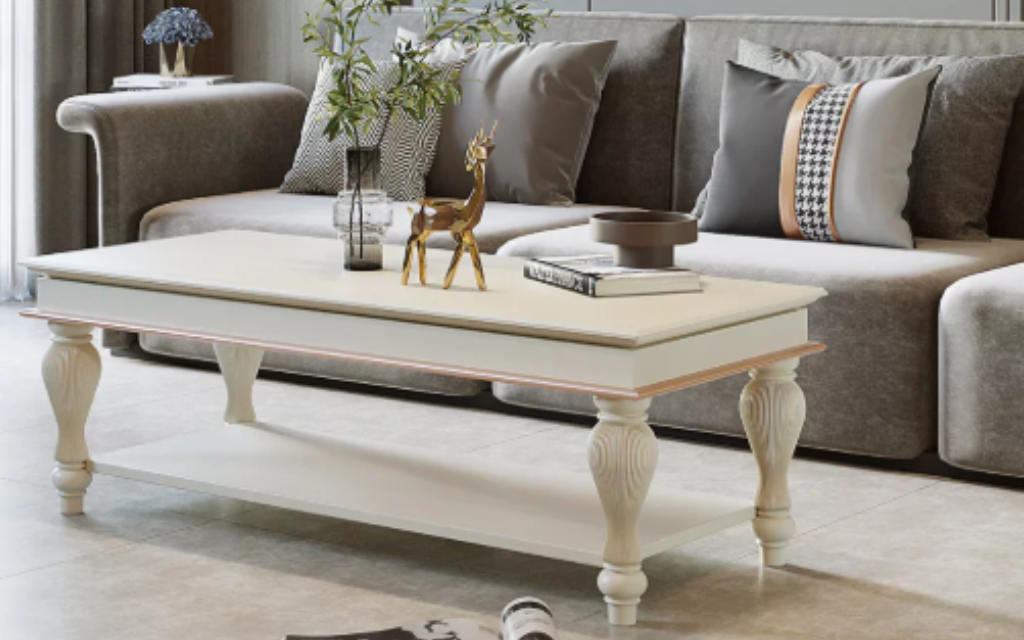
A wooden coffee table is more than a functional surface placed in front of a sofa. It acts as the visual anchor of a living room, bringing warmth, texture, and balance into the space. Whether your interior reflects modern simplicity, rustic comfort, or timeless elegance, thoughtful styling can transform a coffee table into a curated design feature.
As natural materials continue to shape contemporary interiors, homeowners are increasingly drawn toward furniture crafted from authentic materials. A rustic wood coffee table introduces character and depth, while a solid wood coffee table with storage offers both beauty and practicality. When styled intentionally, these pieces enhance not only the décor but also the everyday living experience.
This guide explores how to style a wooden coffee table across different living room aesthetics while maintaining harmony, functionality, and visual sophistication.
The Timeless Appeal of Wooden Coffee Tables
Wood remains one of the most enduring materials in interior design. Its organic texture and natural grain patterns create warmth that synthetic materials often fail to achieve. Unlike trend-driven furniture, solid wood evolves gracefully, developing character over time.
Handcrafted solid wood furniture philosophies, such as those embraced by Oak and Loom, focus on craftsmanship, longevity, and respect for natural materials. Rather than treating furniture as disposable décor, this approach values pieces that grow with a home and adapt to changing styles.
A wooden coffee table naturally complements a wide range of interiors, from contemporary apartments to heritage-inspired homes. Its versatility allows homeowners to refresh styling without replacing the furniture itself.
Understanding the Foundations of Coffee Table Styling
Successful styling begins with balance. A coffee table should feel composed yet effortless, allowing the beauty of the wood to remain visible.
Designers often rely on layering to achieve this effect. Combining objects of varying heights and textures creates visual interest while maintaining cohesion. Decorative books, trays, ceramics, and organic elements work together to form a balanced arrangement.
Equally important is restraint. Leaving portions of the table uncovered prevents visual clutter and highlights the craftsmanship of the wood surface.
Modern Minimalist Living Rooms
Minimalist interiors emphasize clarity and intentional design. In such spaces, a wooden coffee table introduces warmth that softens clean architectural lines.
Styling should remain simple and refined. A neutral tray, a small stack of books, and a single sculptural object are often enough to create visual impact. Light or natural wood finishes enhance the calm atmosphere associated with minimalist design.
The focus remains on material quality and proportion rather than decorative abundance.
Rustic and Farmhouse Aesthetic
A rustic wood coffee table feels naturally at home in farmhouse-inspired interiors. Visible grain patterns, textured finishes, and handcrafted details contribute to a welcoming and grounded environment.
Styling in rustic spaces often includes ceramic vessels, woven accents, and natural botanicals. Dried flowers, wooden bowls, or earthy pottery reinforce the connection to nature. Soft lighting elements such as candles enhance warmth and comfort.
This aesthetic values authenticity, allowing organic textures and subtle imperfections to become part of the design story.
Contemporary Luxury Interiors
In contemporary luxury settings, balance between richness and restraint becomes essential. A solid wood coffee table anchors the room while refined décor elements introduce sophistication.
Styling may include elegant trays, curated books, glass or metallic accents, and a statement vase. Neutral color palettes featuring walnut tones, soft beige, or muted metallic finishes maintain cohesion.
Rather than filling the surface, luxury styling focuses on carefully selected pieces that feel intentional and timeless.
Bohemian Living Room Styling
Bohemian interiors celebrate individuality and layered textures. A wooden coffee table provides the perfect foundation for expressive styling that reflects personal stories and collected objects.
Handmade pottery, indoor plants, artisanal décor, and travel-inspired accessories create visual depth. Mixing materials such as ceramics, textiles, and natural fibers enhances the relaxed atmosphere associated with bohemian spaces.
The arrangement does not need strict symmetry. Instead, it should feel organic and personal, allowing creativity to guide the styling process.
Scandinavian-Inspired Spaces
Scandinavian design blends functionality with warmth and simplicity. Wood plays a central role in achieving this aesthetic, making a wooden coffee table a natural fit.
Styling should remain light and uncluttered. Neutral ceramics, small greenery, and minimal book arrangements create a calm and inviting environment. Soft textures such as linen accents can introduce subtle warmth without overwhelming the space.
The emphasis lies in creating comfort through simplicity and thoughtful material choices.
Functional Styling for Everyday Living
Modern homes often require furniture to serve multiple purposes. A solid wood coffee table with storage offers practical solutions while maintaining aesthetic appeal.
Hidden compartments or shelves can hold magazines, remotes, or everyday essentials, keeping the living room organized. Decorative boxes or trays help maintain visual order while allowing the table to remain functional.
Styling in these spaces should remain adaptable, ensuring the table can easily transition from decorative centerpiece to everyday utility.
Choosing Decorative Elements Thoughtfully
Effective coffee table styling relies on combining complementary elements. Books introduce structure and personality, trays create organization, and natural accents such as plants or flowers add freshness. Sculptural objects contribute artistic interest, while candles or ambient accessories introduce warmth.
Mixing textures such as wood, ceramic, glass, and metal creates contrast while allowing the natural beauty of the table to remain the focal point.
Refreshing Your Coffee Table with Seasonal Changes
A wooden coffee table adapts easily to seasonal styling updates. During warmer months, fresh greenery and lighter décor create an airy atmosphere. In cooler seasons, deeper tones, layered textures, and warm lighting elements bring comfort and coziness.
These subtle changes keep the living space feeling refreshed without requiring significant redesign.
Final Thoughts
A wooden coffee table is not simply a functional addition to a living room; it is a design foundation that connects furniture, décor, and personal expression. Whether styled for minimal elegance, rustic warmth, or relaxed creativity, thoughtful arrangement enhances both beauty and usability.
When guided by craftsmanship-focused philosophies like those represented by Oak and Loom, solid wood furniture becomes more than décor. It becomes a lasting part of the home, evolving with everyday life while maintaining timeless appeal.
With careful styling and intentional choices, a wooden coffee table can transform a living room into a space that feels balanced, inviting, and authentically personal.
Share:
Reclaimed Wood Furniture: Why Imperfection Is the New Luxury
How do you remove scratches from wood?