
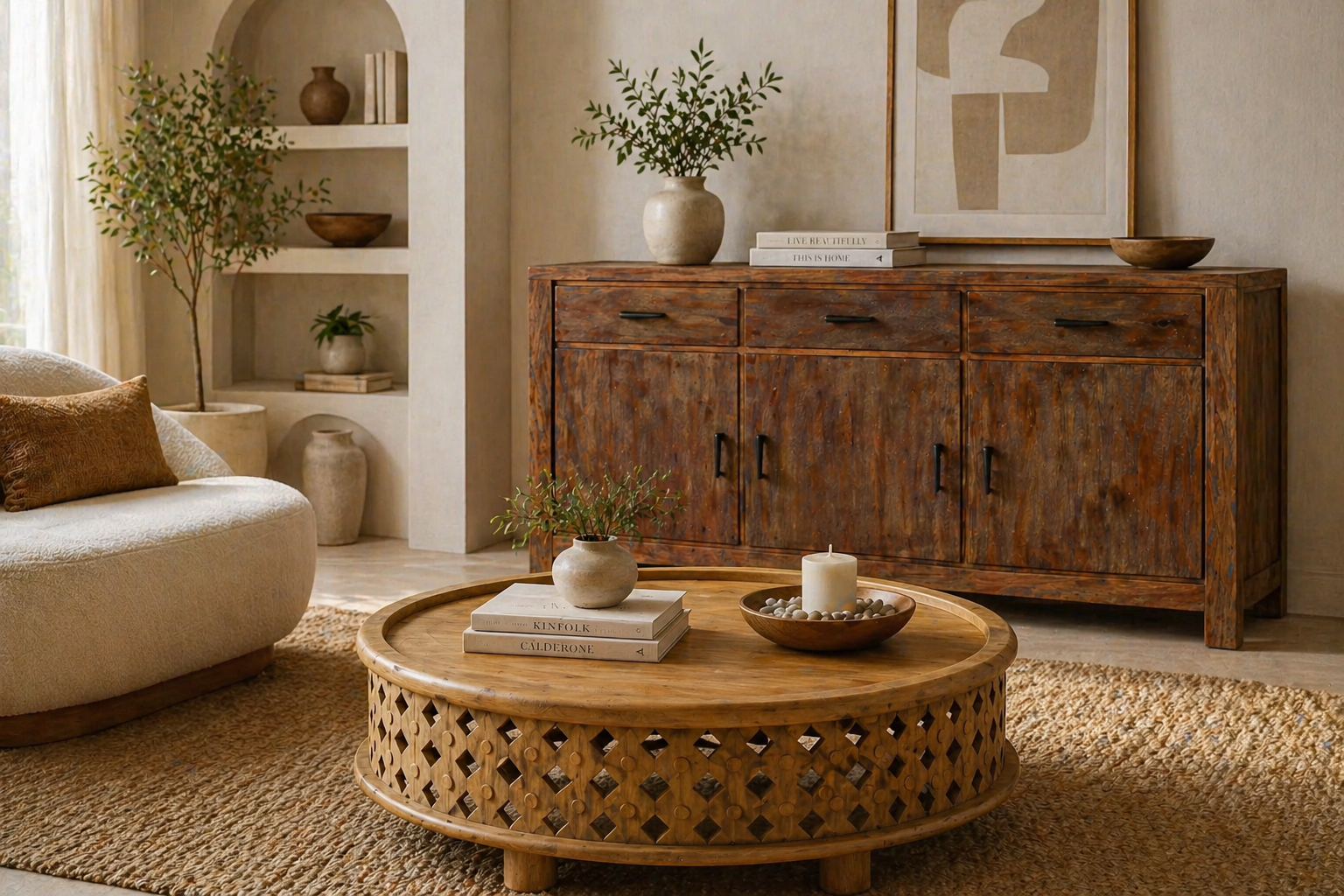
The most beautifully designed homes you have ever walked into were almost certainly not decorated in a single style. They were not entirely mid-century modern, entirely rustic, or entirely contemporary. They were something richer - layered personal and harder to define. A living room where a carved wooden sideboard stands beside a clean-lined sofa where a rustic coffee table sits beneath a modern pendant light where different eras and aesthetics come together effortlessly to feel entirely right.
This is the art of mixing furniture styles - and unlike what many homeowners assume, it is not a skill reserved for professional interior designers. It is a set of principles - learnable, practical, and transformative - that anyone can apply to their home.
This guide shows you exactly how to do it - how to mix styles with confidence how to avoid the mistakes that make spaces feel cluttered rather than curated and how solid wood becomes the thread that ties everything together.
Whether you are refreshing your living room, rethinking your dining room or slowly building a bedroom that feels genuinely yours - this is the guide you have been looking for. A room decorated in a single style is a showroom. A room that mixes styles with intention is a home.
Why Mixing Furniture Styles Works - When Done Right
Before we get into the how it is worth understanding the why.
Spaces decorated entirely in one style - all mid-century modern all farmhouse all contemporary - tend to feel flat. Visually, they lack tension, contrast, and surprise. The eye moves through them without pause. They feel assembled rather than truly lived in.
The rooms that feel truly special - the ones that stop you that make you want to stay - contain contrast. A weathered rustic piece next to a clean modern surface. A traditional carved detail in a contemporary space. An unexpected material that makes everything around it look more considered.
Mixing styles creates this tension deliberately. It signals that the room was curated by a person with a point of view not assembled from a single catalogue. And it is far more forgiving than decorating in a single style - because there is no wrong approach if the principles are applied correctly.
The 5 Rules of Mixing Furniture Styles Successfully
Rule 1: Choose One Dominant Style and Let Everything Else Support It
The most common mistake in mixed-style rooms is treating every piece as equally important. The result is visual chaos - too many statements none of them heard.
Every well-balanced space has a dominant style - the aesthetic that sets the tone - supported by pieces that introduce contrast without competing for attention. In a predominantly modern living room a single rustic solid wood coffee table adds warmth and character. In a farmhouse dining room one mid-century chair at the head of the table becomes an elegant surprise.
Decide your dominant style first. Then introduce contrasting pieces intentionally - one or two at most per room.
Rule 2: Use a Consistent Material as Your Common Thread
When styles are mixed without a unifying material, the room feels scattered. The most reliable way to tie different styles together is through a consistent material that appears in multiple pieces throughout the room.
Solid wood is one of the most effective unifying materials in interior design. It appears naturally across rustic traditional mid-century farmhouse and contemporary styles . A living room with a modern sofa, a rustic coffee table, and a mid-century sideboard feels cohesive, not confused, because all three pieces share solid wood
This is why investing in solid wood furniture across different styles works so well. The material creates a visual conversation between pieces that might otherwise seem incompatible.
At Oak & Loom, every piece whether contemporary rustic or traditional is built from 100% solid wood making them naturally compatible across styles. Browse the full sideboards collection coffee tables and dining tables to find pieces that speak the same material language.
Rule 3: Respect Scale and Proportion Across All Pieces
Scale is where mixed-style spaces most often fail. A large rustic dining table paired with delicate contemporary chairs feels off not because of the style contrast but because of the imbalance in scale. A chunky farmhouse coffee table next to a low sleek modern sofa creates the same problem.
When mixing styles, make sure the pieces share a similar visual weight. A heavy carved traditional sideboard pairs naturally with a substantial dining table and solid chairs - regardless of whether those chairs are modern or traditional. A low-profile contemporary coffee table works with a sleek modern sofa and lighter side tables.
Scale and proportion create harmony. Style creates character. Get the scale right first then let the styles add the interest.

Rule 4: Mix Finishes Deliberately - Not Accidentally
One of the most effective ways to mix furniture styles without creating visual clutter is to mix finishes with intention. A room where every piece has the same finish looks monotonous. A room where finishes are randomly mixed looks chaotic. The middle ground deliberate finish mixing - looks designed.
A practical formula that works in almost any room:
-
One dark finish - a deep espresso, dark walnut, or charcoal piece that anchors the room visually
-
One mid-tone finish - warm oak, medium brown, or natural wood that bridges the palette
-
One light or contrasting finish - whitewash, natural mango, or a painted piece that provides visual relief

Rule 5: Edit Ruthlessly - Less Always Wins
The final rule is the hardest to follow, yet the most important: once you have mixed your styles intentionally, edit with discipline. Remove anything that does not justify its place. Leave space between pieces. Give the eye room to rest.
Clutter in a mixed-style room does not come from mixing styles. It comes from too many pieces competing for attention at once. The most effective mixed rooms are often the most minimal - three or four beautifully chosen pieces, a lot of negative space, and a clear sense of purpose.
If a room feels cluttered after mixing styles, the solution is almost never to simplify the style. It is to remove a piece or two. Take something out. The room will immediately breathe better.

The Best Style Combinations That Always Work
Some style pairings are naturally compatible - they share enough visual DNA to feel cohesive while offering enough contrast to feel interesting. Here are four that work reliably:
1. Rustic + Contemporary
The most popular mixed pairing and arguably the most forgiving. Raw, natural wood textures against clean modern lines create immediate warmth and character. A rustic solid wood dining table with contemporary upholstered chairs is the classic expression of this combination.
2. Mid-Century Modern + Rustic
Mid-century modern’s organic shapes and tapered legs pair beautifully with rustic textures and natural wood. The result feels both nostalgic and fresh - one of the most visually appealing and widely loved aesthetics in interior design today.
3. Traditional + Contemporary
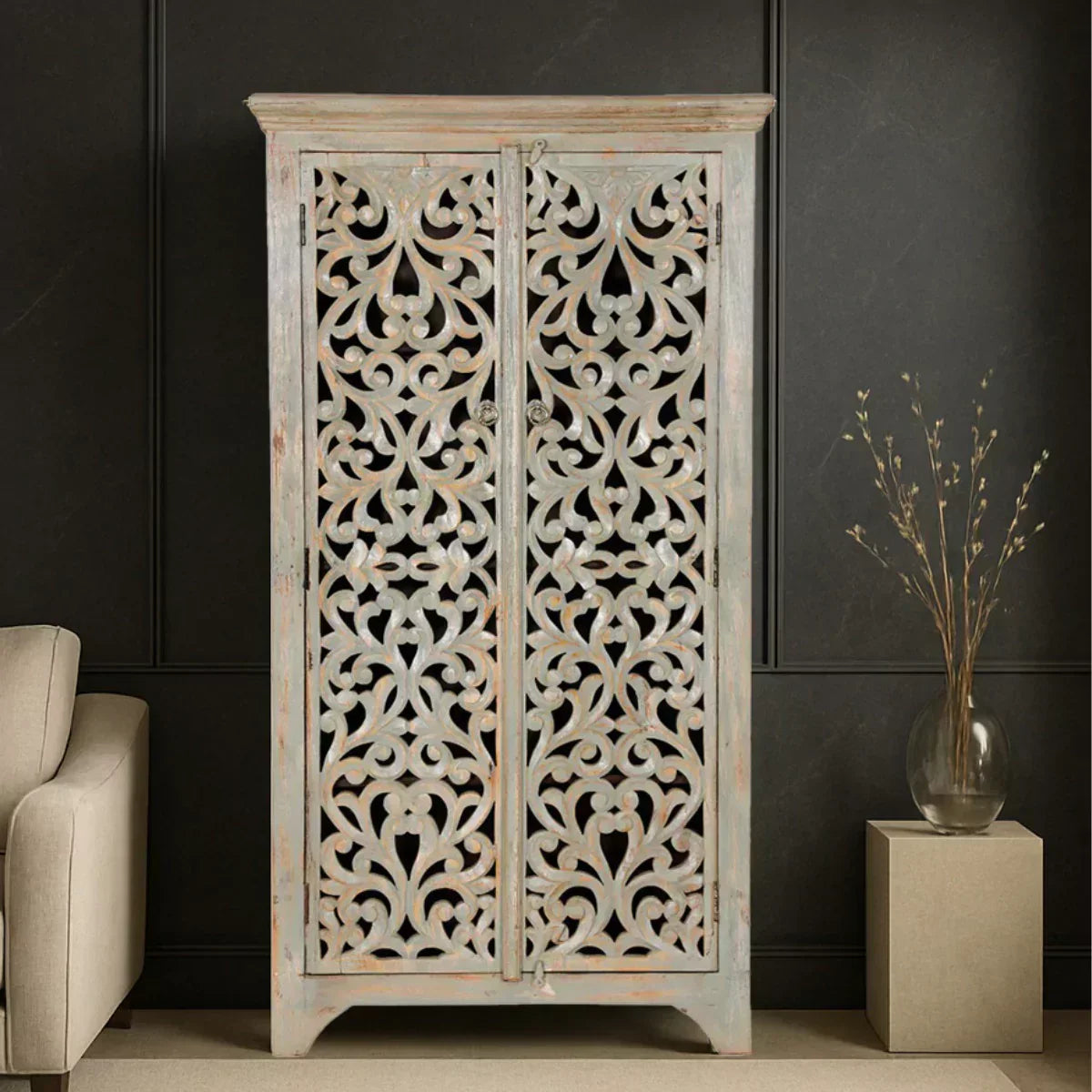
The boldest combination - and the most rewarding when done well. A traditional carved piece in a predominantly contemporary space becomes an immediate focal point, adding history and depth to an otherwise clean aesthetic.
4. Industrial + Organic
Metal accents and raw industrial elements pair naturally with organic solid wood. The contrast between hard and soft, manufactured and natural, creates a sophisticated urban aesthetic that works particularly well in open-plan spaces.

Mixing Styles Room by Room
Living Room
The living room is where most people feel most anxious about mixing styles because it is the most visible room and the one guests see first. The approach here is straightforward: choose your sofa as the anchor, decide on its dominant style, then introduce one contrasting piece a coffee table, a sideboard, or a console table in a complementary but distinct style.
Browse Oak & Loom's solid wood coffee tables collection for the perfect contrasting living room piece. A rustic drum coffee table beside a contemporary sofa, a mid-century rectangular table under a more traditional arrangement the right coffee table does an enormous amount of style work in a living room.
Dining Room
the most effective style mixing happens between the table and the chairs - a rustic solid wood table with contemporary upholstered chairs , or a clean modern table with traditional carved chairs. The sideboard on the adjacent wall then introduces a third style note - completing a three-part composition that feels intentional and rich.
Bedroom
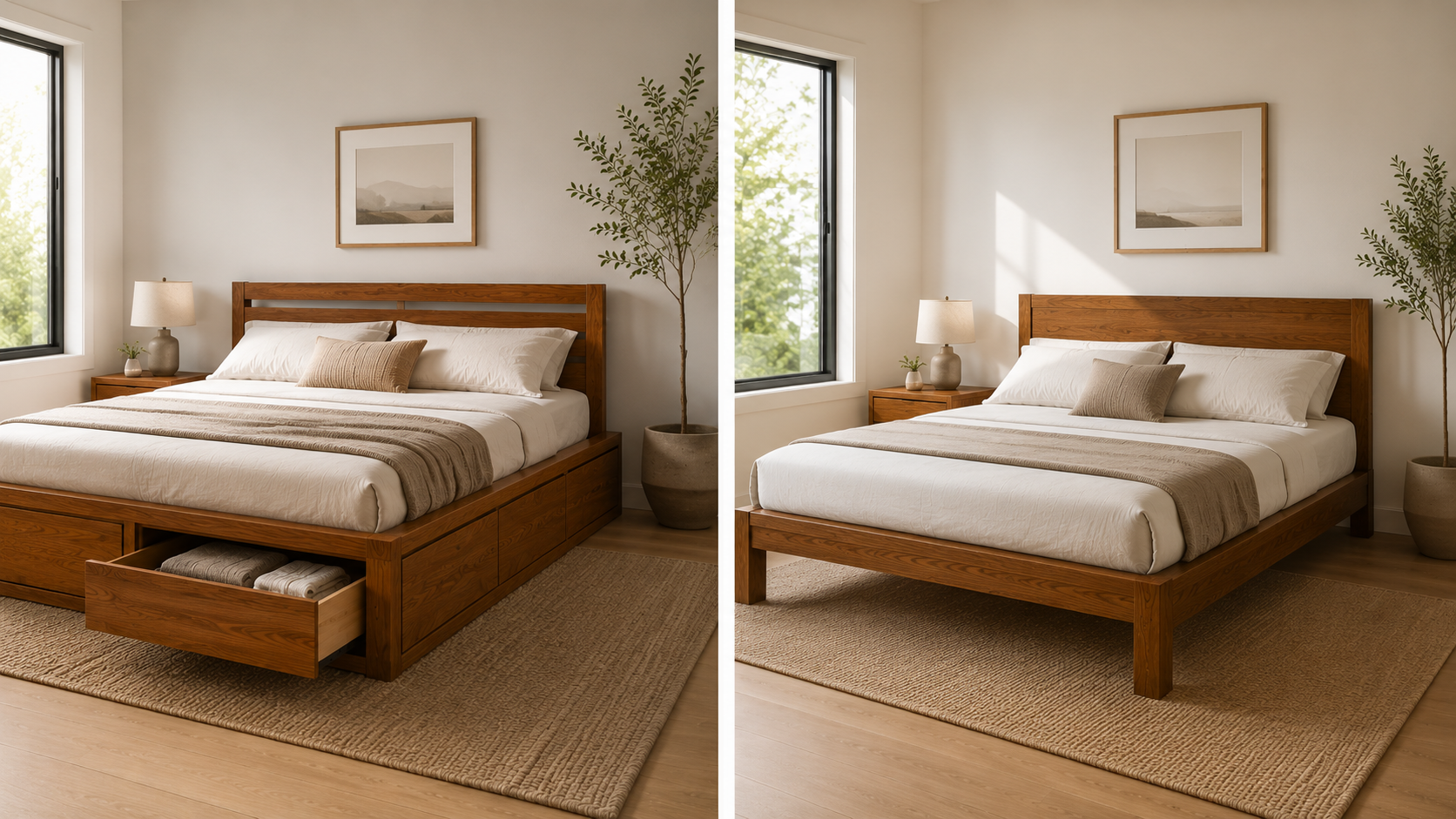
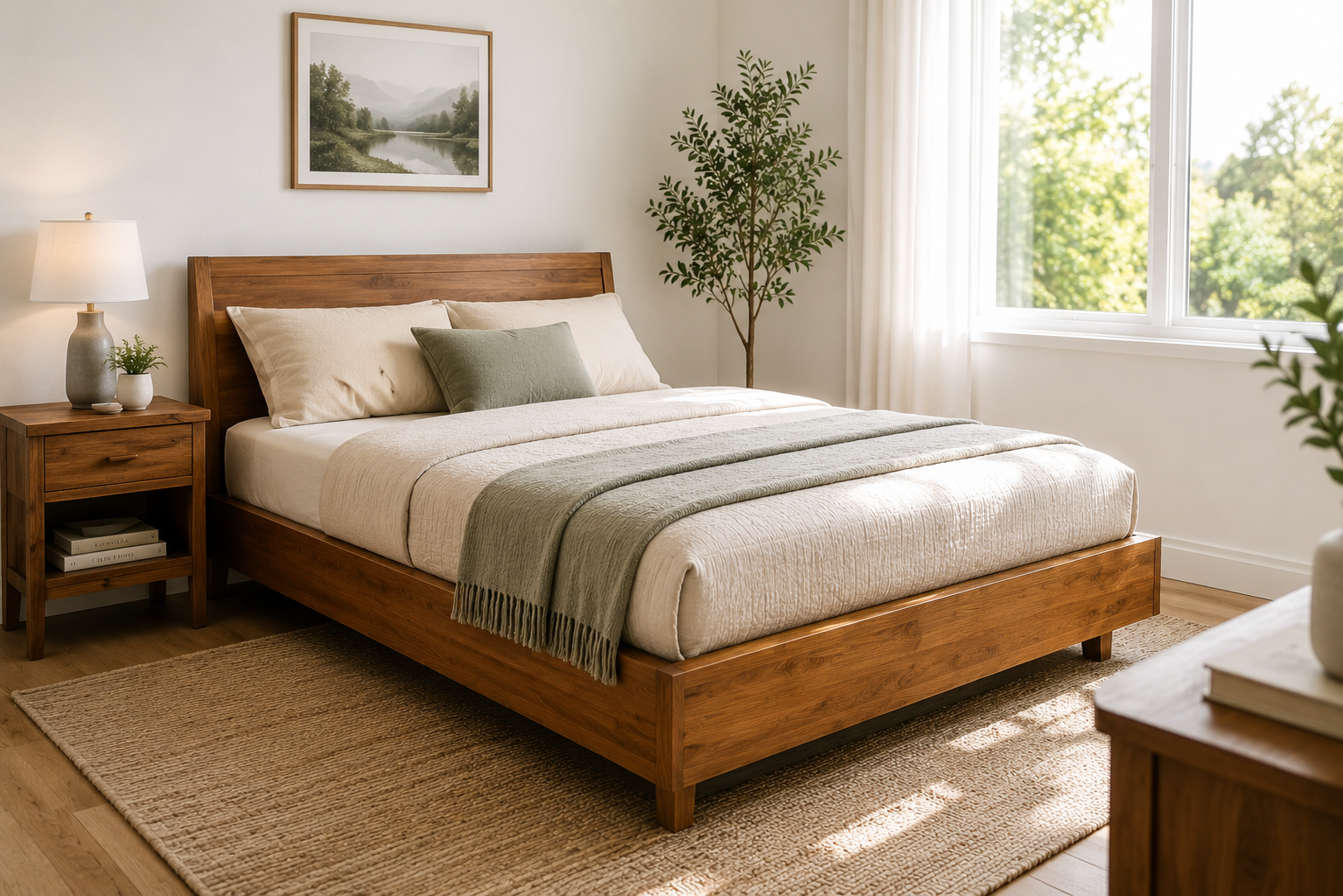
The bedroom is the most personal room in the home and the best place to be brave with style mixing. A hand-carved traditional bed frame with contemporary bedside tables. A rustic solid wood bedside table paired with a modern bed. The bedroom is seen by fewer people and felt by you every day let it reflect the full range of what you love.
The 3 Mistakes That Make Mixed Rooms Look Cluttered
Even with the right principles in place three specific mistakes consistently turn well-intentioned mixed rooms into chaotic ones:
Mistake 1: Too many focal points. Every room should have one dominant focal point. When every piece tries to be the most interesting element in the space none of them truly stand out. Choose your statement piece - a carved sideboard, a sculptural coffee table, or a striking bed frame and let everything else support it.
Mistake 2: Ignoring undertones. A cool-toned grey sofa will clash with a warm-toned brown wood table not because of style but because of undertone. Before mixing pieces, check that their undertones are compatible: warm with warm cool with cool or a deliberate warm-cool contrast managed through a neutral third piece.
Mistake 3: Mixing too many styles at once. Two styles in one room creates intrigue. Three styles managed well can work. Four or more styles almost always creates chaos. Limit your mixing to two or three styles maximum per room and make sure each style is represented by more than one piece to feel intentional rather than accidental.
Conclusion
Mixing furniture styles is not about following a formula. It is about understanding the principles well enough to break them wisely to know when contrast serves the room and when it overwhelms it when a piece earns its place and when it needs to go.
The homes that feel most alive most personal and most genuinely beautiful are those where different eras aesthetics and materials come together with intention. Not matched. Not merely coordinated. Composed.
Solid wood is your most reliable tool in this composition. It speaks every style's language - rustic, contemporary, mid-century, traditional, and industrial and creates visual continuity between pieces that might otherwise seem incompatible. At Oak & Loom every piece is built from 100% solid wood making the entire collection naturally compatible whether you are mixing a rustic sideboard with a contemporary coffee table or a mid-century dining set with traditional carved chairs.
The best-designed rooms are never finished. They are composed piece by piece style by style until the room finally feels like the person who lives in it.
Start with one piece that speaks to you. Let it set the tone. Then build around it deliberately patiently and without rush.
Your home will tell you when it is right.
→ Browse the full Oak & Loom collection: oakandloom.com/collections/all
→ Need help mixing styles for your space? Talk to our team - free guidance no obligation.
Frequently Asked Questions
Is it okay to mix different wood tones in the same room?
Yes - and in fact, mixing wood tones is one of the most effective ways to add depth and character to a room. The key is to do it intentionally rather than accidentally. Use a maximum of three wood tones per room ensure at least two of them share a similar undertone (both warm or both cool) and let one tone dominate while the others support. Oak & Loom's full collection spans natural dark brown whitewash and two-tone finishes giving you a full palette to work with.
How many furniture styles can I mix in one room?
Two to three styles per room is the practical limit for most spaces. Two styles create intrigue and contrast. Three styles managed with a clear dominant and consistent material thread can work beautifully. Four or more styles almost always creates visual chaos not because mixing is wrong but because the eye needs enough repetition to recognize intention. Pick your dominant style choose one or two contrasting styles and let solid wood be the thread that ties them together.
What is the easiest way to start mixing furniture styles?
Start with your anchor piece your sofa dining table or bed frame and identify its dominant style. Then introduce one contrasting piece: a coffee table in a different style a sideboard with a different finish a set of chairs in a different aesthetic. One contrasting piece in an otherwise cohesive room is always enough to transform it from assembled to designed. Add more only when the first contrast feels right.
Can rustic and modern furniture work together?
Absolutely rustic and contemporary is one of the most naturally compatible style pairings in interior design. Raw wood texture against clean modern lines creates warmth without sacrificing sophistication. The key is to ensure the rustic piece has real material integrity solid wood with genuine grain character rather than a simulated rustic veneer finish. Pieces like the Manhattan Rustic Handcarved Sideboard or the Orvencia Rustic Solid Wood Sideboard bring genuine rustic character that elevates contemporary surroundings rather than clashing with them.
What makes a mixed-style room look cluttered versus curated?
Three things: too many focal points too many styles competing equally and insufficient negative space. A curated mixed room has one clear focal point a dominant style supported by one or two contrasting pieces and enough empty space for the eye to rest. A cluttered mixed room has every piece demanding equal attention with no breathing room between them. The fix is almost always to remove one or two pieces rather than change the style combination the same pieces in a less crowded arrangement will immediately look more intentional.
Does solid wood furniture work with all furniture styles?
Yes and this is precisely what makes it the most versatile investment in home furnishing. Solid wood appears naturally in rustic traditional farmhouse mid-century modern contemporary and industrial styles. Its grain warmth and material authenticity translate across aesthetic languages in a way that no manufactured material can replicate. At Oak & Loom our sideboards coffee tables dining tables and beds are all built from 100% solid wood making them compatible with virtually any existing style in your home.
Share:
How to Choose a Family Dining Table You Won't Outgrow in 5 Years
How to Spot Quality Furniture in 60 Seconds - The Sign Experts Look For