
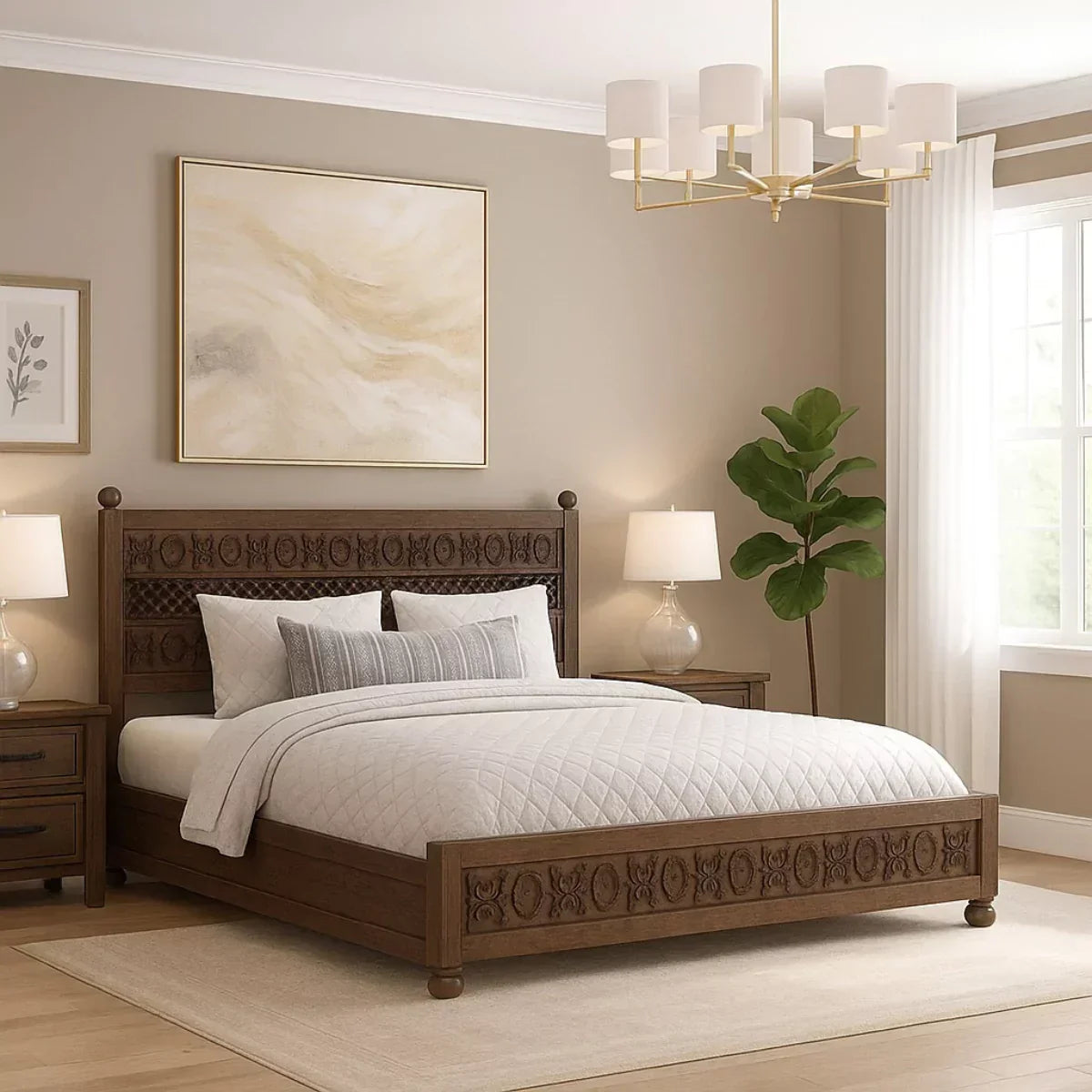
Japandi Bedroom Design: How to Build It Around a Solid Wood Bed - Complete 2026 Guide
Japandi bedroom design has remained one of the most searched interior aesthetics among American homeowners for the past three years - and for good reason. It creates something few design styles truly achieve: a bedroom that feels calm, grounded, and deeply livable rather than simply visually minimal.
At its core, japandi style brings together Japanese minimalism and Scandinavian warmth. From Japan comes wabi-sabi - the beauty of imperfection, restraint, and natural materials. From Scandinavia comes hygge - comfort, craftsmanship, and functional warmth. Together, they create a bedroom aesthetic that feels timeless, quiet, and contemporary all at once.
The material that holds this entire aesthetic together is genuine hardwood. Not veneer. Not engineered panels. Real wood with visible grain, natural variation, and honest construction. In authentic japandi interiors, materials are meant to feel lived-in, tactile, and genuine - which is why natural wood becomes such an essential foundation.
This guide explains how US homeowners can build an authentic japandi bedroom around a solid wood bed frame - from choosing the right proportions and materials to creating the calm, layered atmosphere that defines the aesthetic.
Whether you are redesigning your current bedroom or starting from scratch, this guide will help you create a space that feels intentional, warm, and genuinely restful - no matter where in the United States you call home.
“Japandi bedroom design is not decorated. It is composed - one intentional decision at a time - until nothing can be added and nothing needs to be removed.”
The core principles of japandi bedroom design
Before choosing furniture or decor, it helps to understand the principles that make japandi interiors calm and intentional rather than simply minimal. Many rooms across the US imitate the look of japandi style but miss the atmosphere that gives the aesthetic its emotional warmth.
1. Restraint over decoration
Japandi interiors are built on the idea that every object in the room should earn its place. Rather than filling space, the goal is to leave space - and let the pieces that remain carry more visual weight. This is not emptiness for its own sake. It is purposeful composition.
2. Natural materials as the foundation
Solid wood, linen, ceramic, stone, and natural fiber textiles define the material palette of japandi design. These materials are chosen because they improve with age, carry visible texture, and feel honest to the touch - the opposite of the synthetic surfaces that dominate mass-market furniture.
3. Wabi-sabi the beauty of imperfection
Wabi-sabi is the Japanese philosophical concept that finds beauty in impermanence and imperfection. In practical terms, this means that a solid wood bed frame with visible grain variation often feels more authentic than a perfectly uniform surface. A linen pillow with natural creases feels more genuine than a heavily processed fabric. Imperfection is not a flaw - it is a feature.
4. Warm neutrals, not cold whites
Authentic japandi interiors rely on warm neutrals - warm whites, sand, flax, soft clay, and muted greens - rather than the stark, cold whites often associated with generic minimalism. This distinction is what separates japandi bedrooms that feel warm and grounded from those that simply appear empty.
The solid wood bed as the japandi bedroom anchor
In a japandi bedroom, the bed frame becomes the visual and material anchor of the entire space. For American homes - whether a compact apartment in New York, a suburban bedroom in Texas, or a craftsman home in the Pacific Northwest - the solid wood bed is usually the largest object in the room and the element that influences every surrounding decision.

The characteristics that make a solid wood bed frame well suited to japandi interiors are consistent across styles:
- Low profile - the bed sits close to the floor, grounding the room visually and creating the sense of calm openness central to the aesthetic.
- Clean lines without ornamentation - simple silhouettes with no carved detailing or decorative hardware that would disrupt the visual quiet of the space.
- Warm, natural wood tones - mango, acacia, teak, and oak all carry the grain variation and warmth that wabi-sabi celebrates.
- Solid hardwood construction - not veneer, not MDF. The material honesty of genuine hardwood is visible in the weight, the texture, and the way the surface develops character over time.
The bed frame is also the furniture investment you will live with longest. Unlike bedding, paint colors, or accent decor - which can be changed seasonally and inexpensively - the bed frame is a long-term foundation piece. Choosing solid hardwood means choosing something that will still feel authentic and beautiful in a decade, not one that will chip, swell, or delaminate within a few years of use.
Building an authentic japandi bedroom layer by layer
A japandi bedroom is built in layers - each one quiet on its own, each one contributing to the overall sense of calm. The following layers form the foundation of an authentic japandi bedroom for American homes:
Layer 1 - The palette
Authentic japandi interiors rely on warm neutrals rather than the cool whites often associated with generic minimalism. This works especially well in American homes, where natural light changes dramatically from region to region - from bright California sunshine to softer Northeastern light.
Choose warm white, off-white, soft sand, or muted clay for walls. Allow the natural tones of the hardwood bed frame - mango, acacia, or teak - to introduce warmth into the space. Add muted greens or soft terracotta in small accents only. The palette should feel grounded and quiet, never bright or high-contrast.

Layer 2 - Bedding
Japandi bedding is functional, tactile, and visually restrained. Natural linen in warm white, flax, or sand is the standard. Avoid patterned duvet covers, loud colors, or excessive throw pillows - the bed should look composed, not decorated. A single linen duvet, two pillows in natural tones, and perhaps one textured throw are typically all that is needed.
Layer 3 - Bedside tables
Natural wood bedside tables - low, simple, and without ornamental hardware - complete the material story of the bed frame. Matching the wood species or tones of the nightstand to the bed frame creates a cohesive, considered atmosphere. Each surface should hold only what is needed - a lamp, a book, and perhaps a single ceramic object.
Layer 4 - Lighting
Warm-toned ambient lighting is essential in japandi interiors. Harsh overhead lights undermine the calm atmosphere the aesthetic depends on. Choose warm bulbs (2700K–3000K) and place light sources low - on bedside tables or recessed into shelving - rather than relying on ceiling fixtures alone. Wall sconces in natural materials like bamboo, paper, or brushed brass complement the aesthetic without adding visual noise.
Layer 5 - Textural accents
Texture is how japandi interiors create warmth without adding color or ornamentation. A jute rug underfoot, a linen cushion against the headboard, a small ceramic vase on the bedside table, or a woven basket in the corner - these subtle additions create depth without disrupting the visual quiet of the space. Keep accents minimal: three to five carefully chosen objects are more effective than a collection of many.
Then AFTER this section you can naturally place:
Oak & Loom ships solid wood bedroom furniture across the contiguous United States, making it easy for homeowners from the Northeast to the Pacific Coast to bring this aesthetic home.

The solid wood species best suited for japandi bedrooms
Different hardwood species carry their own visual character and texture. Choosing the right wood type for your japandi bedroom is just as important as choosing the right proportions or palette.
Mango wood
Mango is prized for its warm golden-amber tones and highly distinctive grain variation - no two pieces are identical. Its natural markings - swirls, knots, and color gradients - naturally reflect the wabi-sabi appreciation for imperfection. Mango hardwood is dense, durable, and carries an organic richness that works beautifully in japandi bedrooms with slightly warmer or amber-toned palettes.
Acacia wood
Acacia is one of the hardest and most durable naturally occurring hardwoods, making it ideal for bed frames designed to last for years. Its color ranges from warm golden tones to deep reddish-brown, and its grain is bold and expressive. In japandi interiors, acacia bed frames create a grounded, substantial presence that anchors the room without feeling visually heavy.
Teak wood
Teak has been used in furniture and construction for centuries because of its extraordinary durability, natural oils that resist moisture and humidity, and warm honey-to-caramel tones that deepen beautifully with age. In japandi bedrooms, teak bed frames carry a refined, quiet elegance - the kind of material presence that feels considered rather than decorative.
The 5 mistakes that prevent authentic japandi bedroom design
These are the five mistakes most commonly seen in American japandi bedrooms - and how to fix them:
1. Using veneer or engineered wood as the “solid wood” anchor
Veneer and MDF furniture can look similar to solid wood in photographs but feel fundamentally different in person. The material honesty central to japandi design depends on authentic materials - surfaces that reveal how they are made, age with character, and feel authentic to the touch. If the material feels hollow, lightweight, or uniformly perfect, it will undermine the atmosphere even if everything else is right.
2. Using a cold, stark white palette
Many American bedrooms inspired by japandi style miss the warmth the aesthetic requires. Stark, bright, cool whites make rooms feel clinical rather than calm. Switch to warm whites, soft sand, or natural linen tones on walls and bedding - the shift is subtle but transformative.
3. Overloading the space with minimal-looking objects
Japandi minimalism is not achieved by replacing large furniture with many smaller objects. A bedside table with ten small decorative items is not more japandi than one with two. Restraint means fewer decisions, not smaller ones.
4. Choosing a bed frame with the wrong proportions
High-profile bed frames - even those in natural wood tones - tend to feel top-heavy in japandi interiors. A low-profile or platform-style solid wood bed frame keeps the room visually grounded, which is essential for the calm, balanced atmosphere japandi design creates.
5. Ignoring the ceiling and upper walls
In japandi interiors, the space above the bed matters as much as what is on the bed. Bare, clean walls and a simple ceiling - ideally without busy light fixtures or decorative molding - allow the eye to rest. Keep the upper half of the room as quiet as possible.
Related reading
If you are building your japandi bedroom from the bed frame outward, these guides may also help:
- How to Choose the Right Headboard Style for a Solid Wood Bed Frame
- King vs California King Bed - Which Size Is Right for Your Bedroom?
Conclusion

Japandi design is more than a visual trend - it is a philosophy centered around restraint, warmth, functionality, and natural materials. Rooted in both Japanese and Scandinavian traditions, it creates bedrooms that feel calm, intentional, and deeply livable rather than overly styled. Across the United States, more homeowners are turning to japandi principles to create spaces that feel genuinely restful in a world that rarely slows down.
At the center of that atmosphere is the hardwood bed frame. Its natural grain reflects the wabi-sabi appreciation for authenticity and imperfection, while its clean proportions and grounded presence bring the quiet balance that defines japandi interiors.
At Oak & Loom, our handcrafted bed frames are made from genuine hardwoods including mango, acacia, and teak, using kiln-dried construction and traditional mortise-and-tenon joinery designed for long-term durability. We ship across the contiguous United States, so whether you're furnishing a bedroom in Chicago, Austin, or Seattle - the right bed frame is ready to become the foundation every other design decision builds upon.
Explore our solid wood bedroom furniture collection to discover pieces designed for calm, long-lasting japandi interiors.
“The most beautiful japandi space is not the most decorated one. It is the most composed - where every piece earns its place and the space between them matters just as much.”
Shop Oak & Loom - Handcrafted Hardwood Beds for Japandi Interiors
Mango · Acacia · Teak - Kiln-dried hardwood with traditional mortise-and-tenon joinery
Frequently asked questions
What is japandi bedroom design and how is it different from minimalism?
Japandi design blends Japanese wabi-sabi philosophy with Scandinavian hygge warmth. Unlike pure minimalism - which can feel cold or sterile - japandi interiors are warm, tactile, and lived-in. The goal is not emptiness but intentional composition, where every object earns its place and natural materials create the atmosphere.
What solid wood color works best for a japandi bedroom?
Warm, medium-toned hardwoods work best - mango, acacia, teak, and natural oak all carry the grain variation and warmth that japandi interiors celebrate. Avoid overly pale bleached woods or very dark finishes, which can make the room feel either cold or visually heavy.
Do I need a platform bed for japandi interiors?
Not strictly, but a low-profile or platform-style bed frame is strongly recommended. Keeping the bed visually close to the floor helps create the grounded, calm atmosphere central to japandi bedroom design.
Can japandi style work in a small bedroom?
Exceptionally well. Japandi principles emphasize simplicity, open space, and low-profile furniture, which helps smaller bedrooms feel calmer and less crowded. A solid wood platform bed paired with minimal decor can make compact rooms feel more intentional and spacious.
How do I build a japandi bedroom on a budget?
Start with the one piece that matters most - the bed frame - and build gradually around it. A genuine hardwood bed paired with simple linen bedding in warm neutral tones can create an authentic japandi atmosphere without requiring a full room redesign.
How long does solid wood furniture last compared to engineered wood?
Solid hardwood furniture - especially mango, acacia, and teak - can last for decades when properly maintained. Compared to MDF or engineered wood furniture, genuine hardwood develops character over time and resists the chipping, swelling, and wear that lower-quality materials often experience.
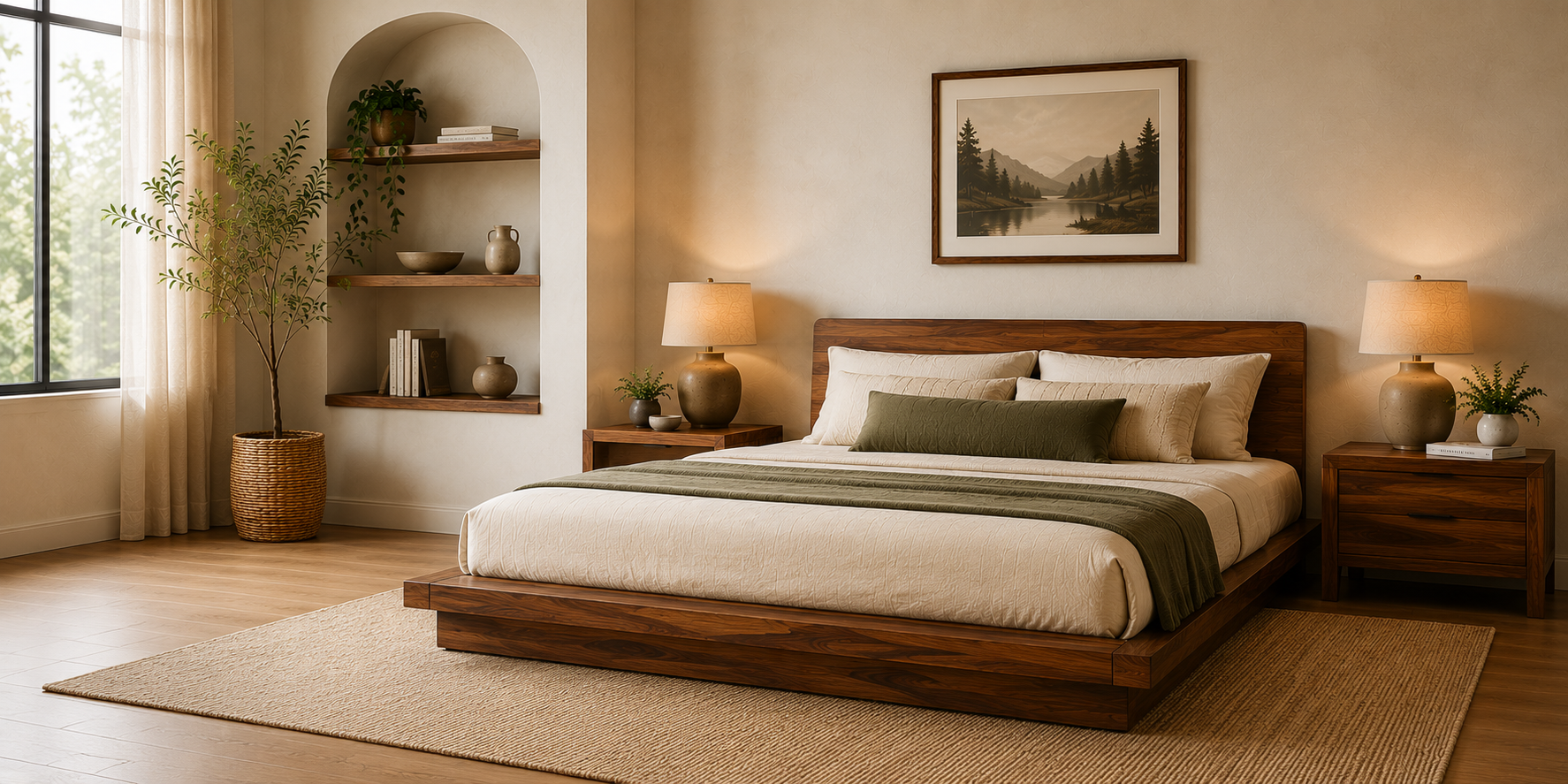
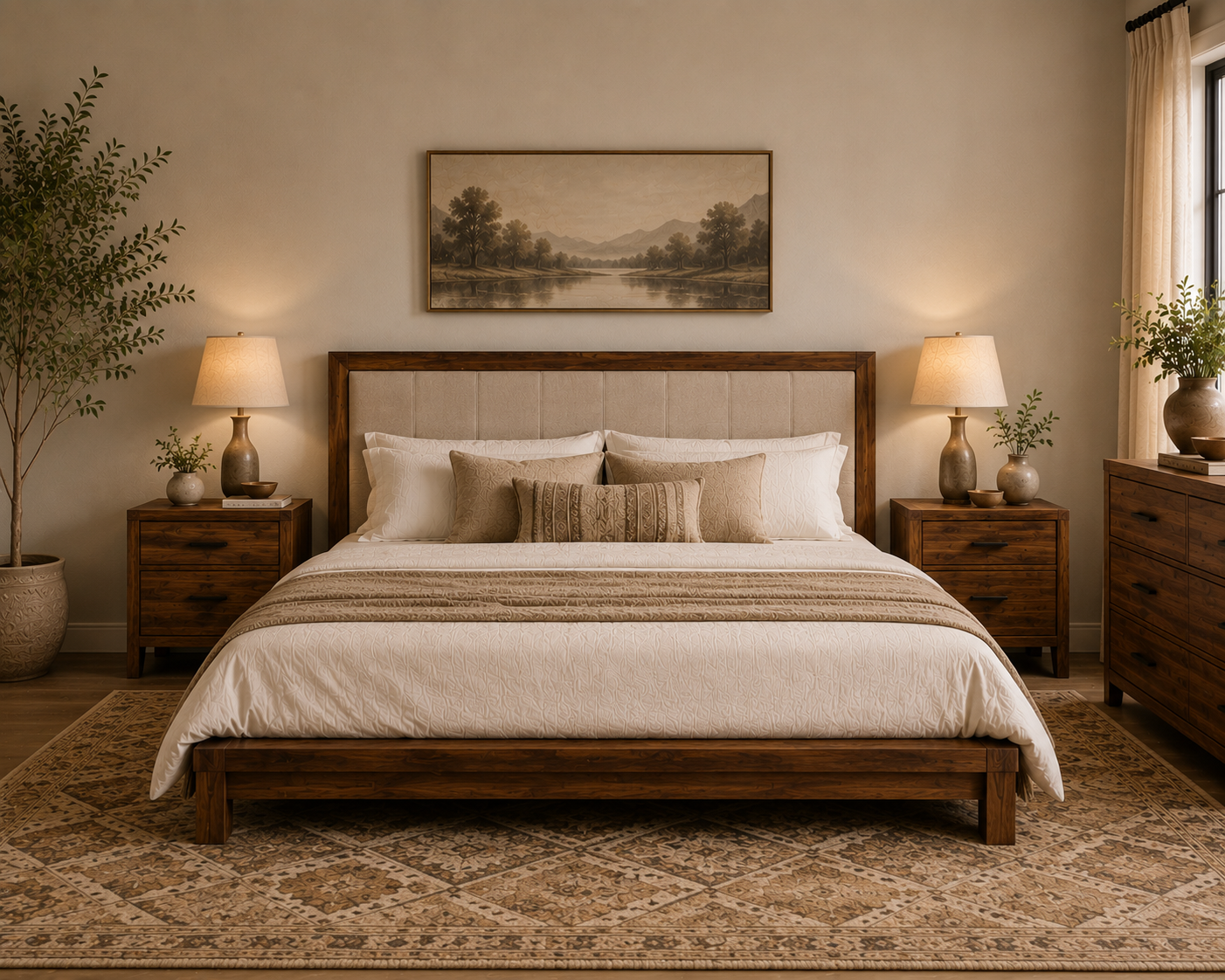
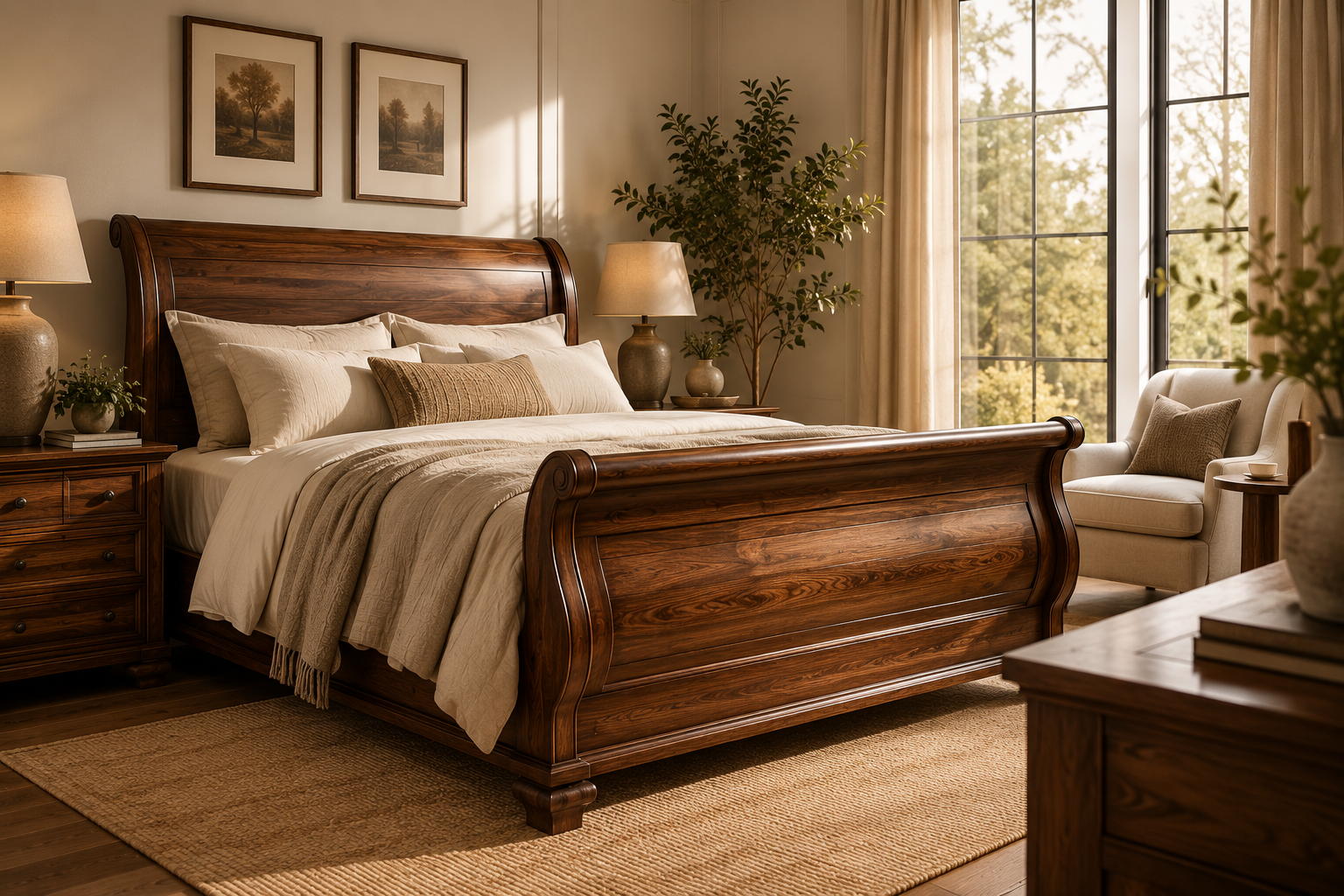
Share:
How to Choose a Headboard Style for a Solid Wood Bed Frame
Sleigh Bed vs Panel Bed: Key Differences, Pros & Best Choice for Your Bedroom