
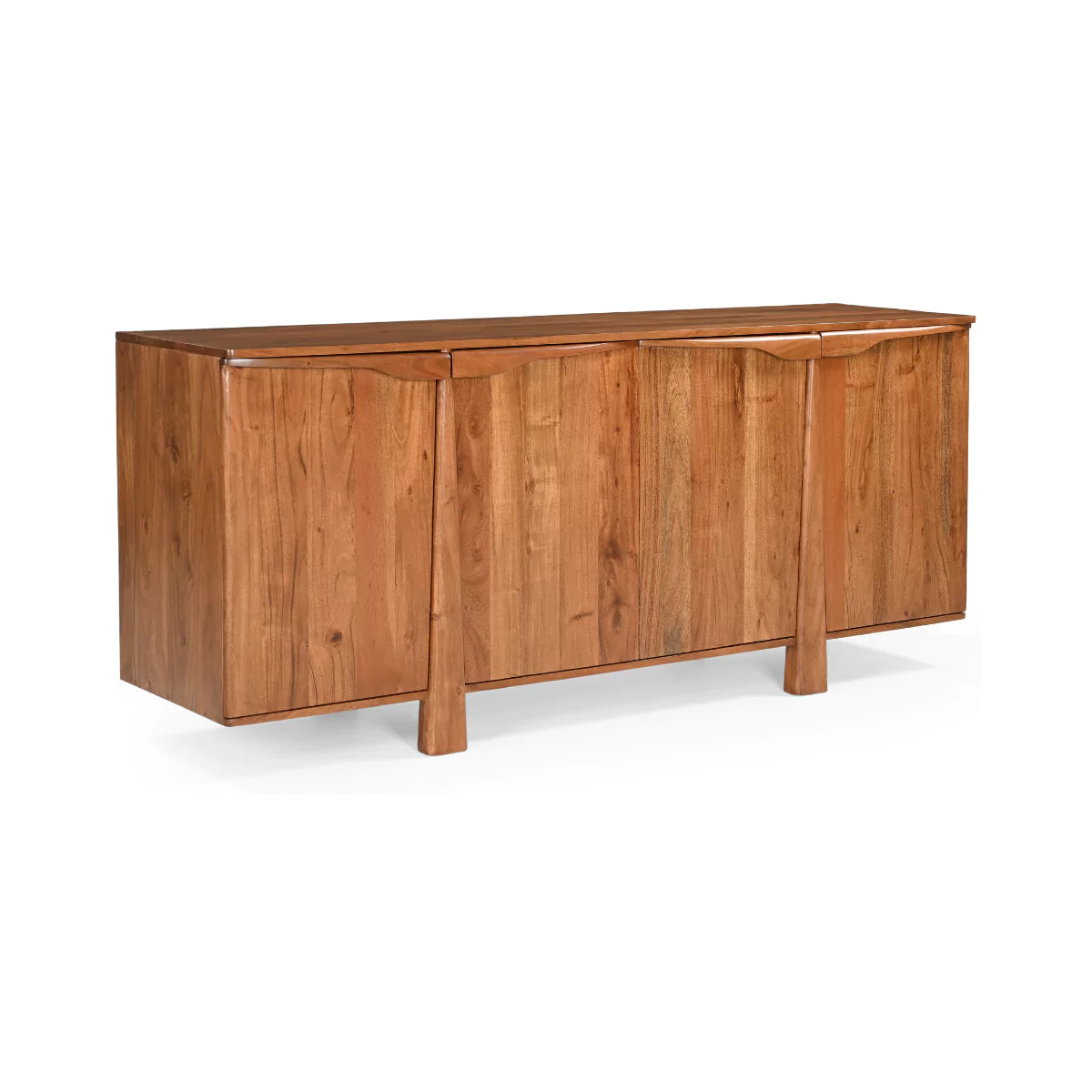
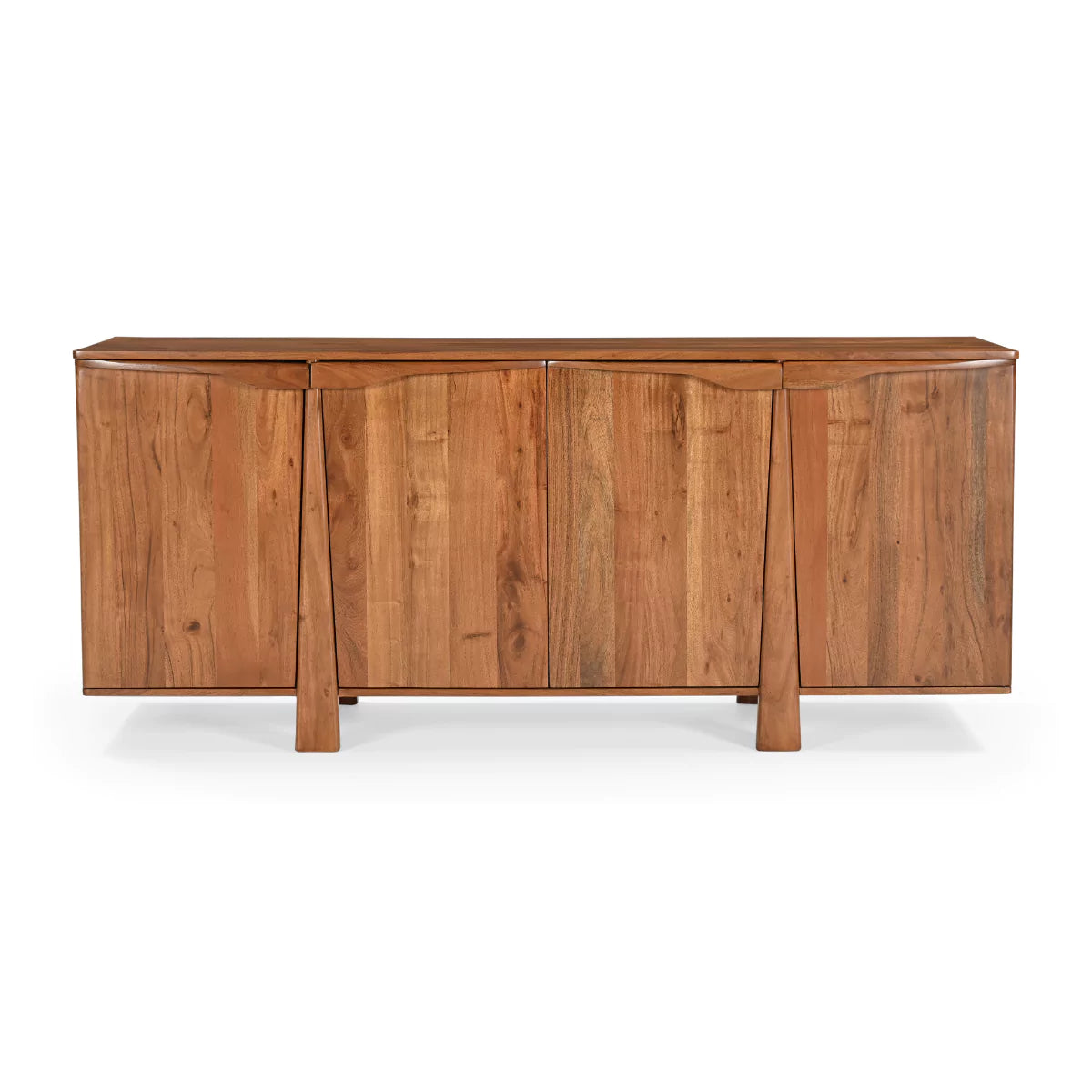
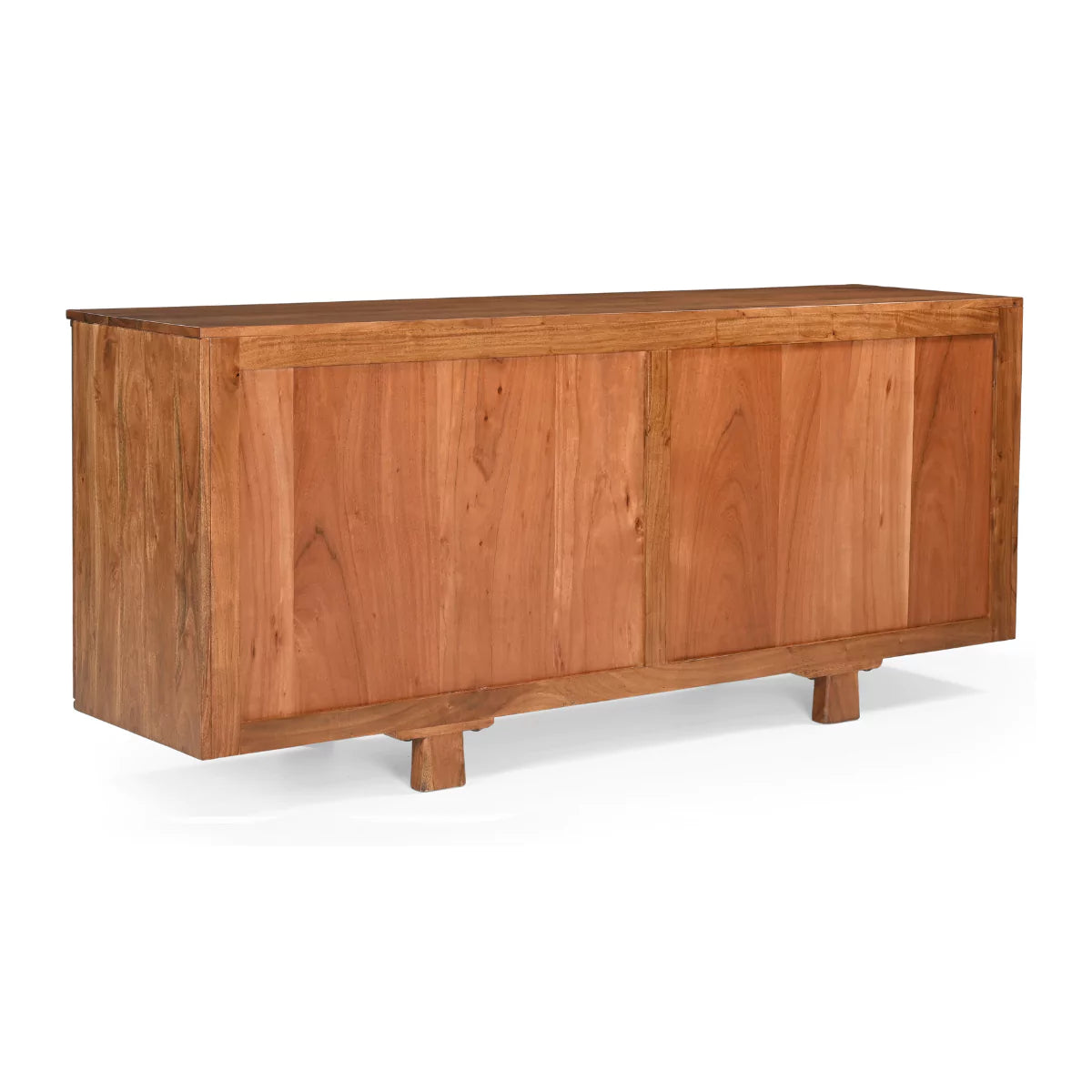
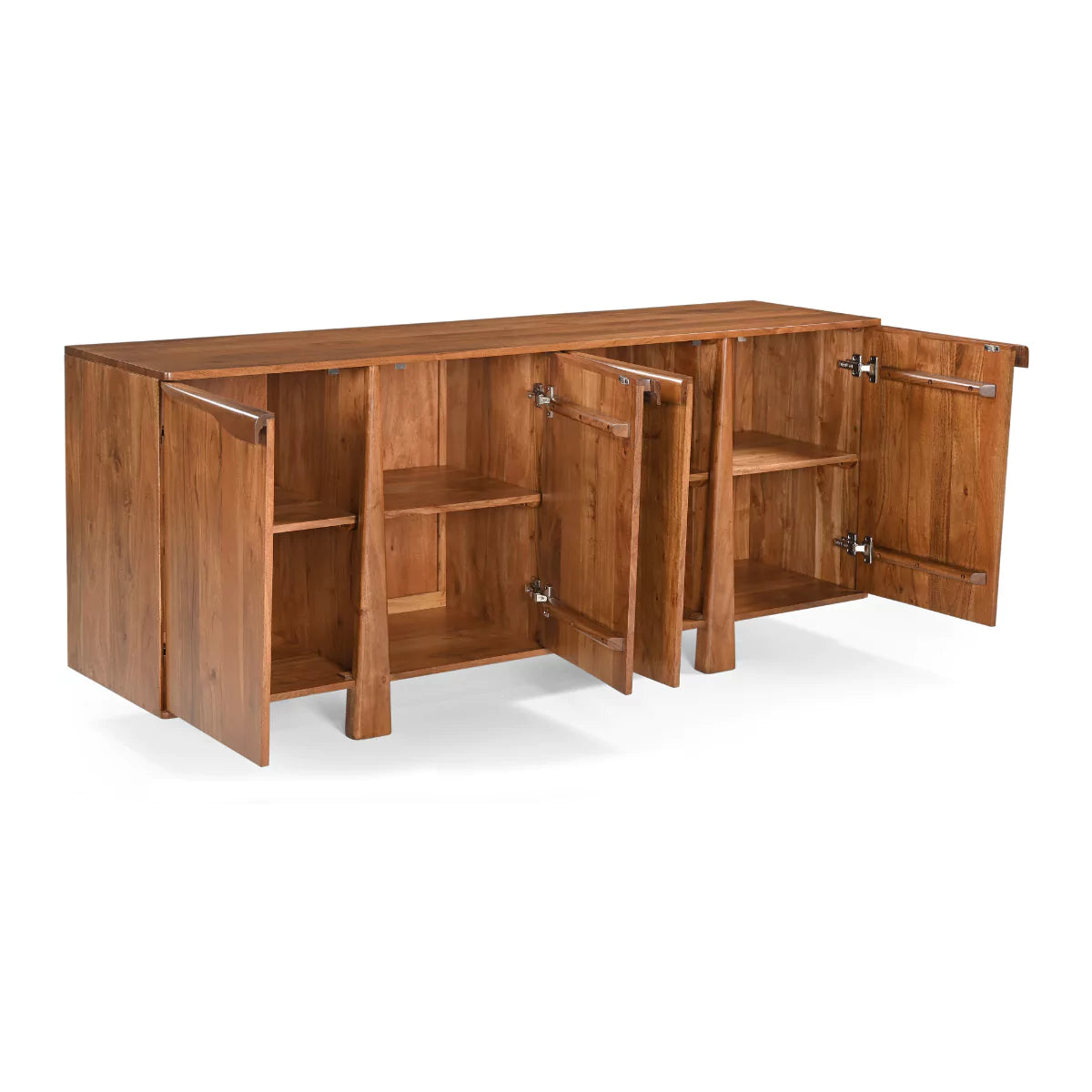
Cirevana Solid Wood 4-Door Sideboard
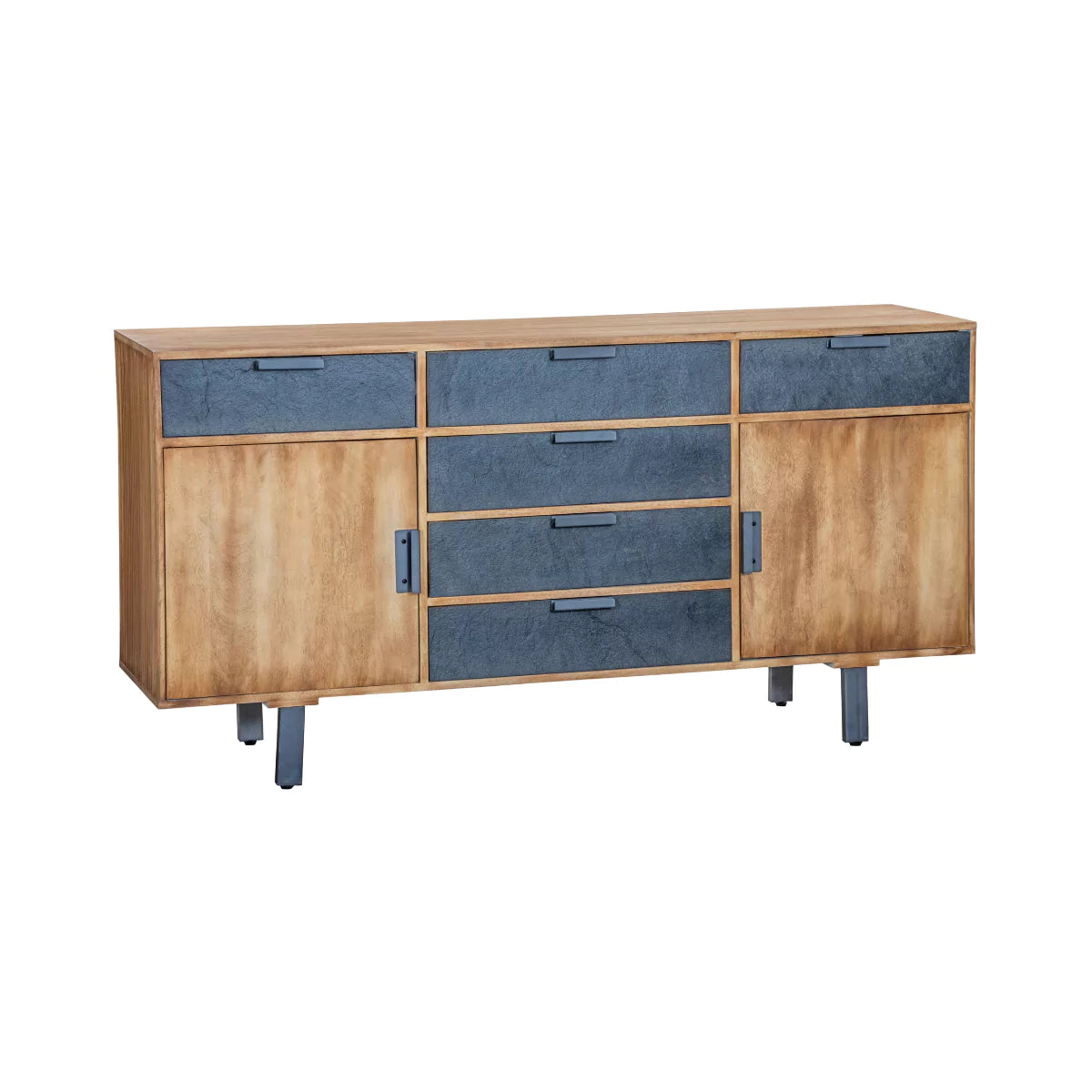
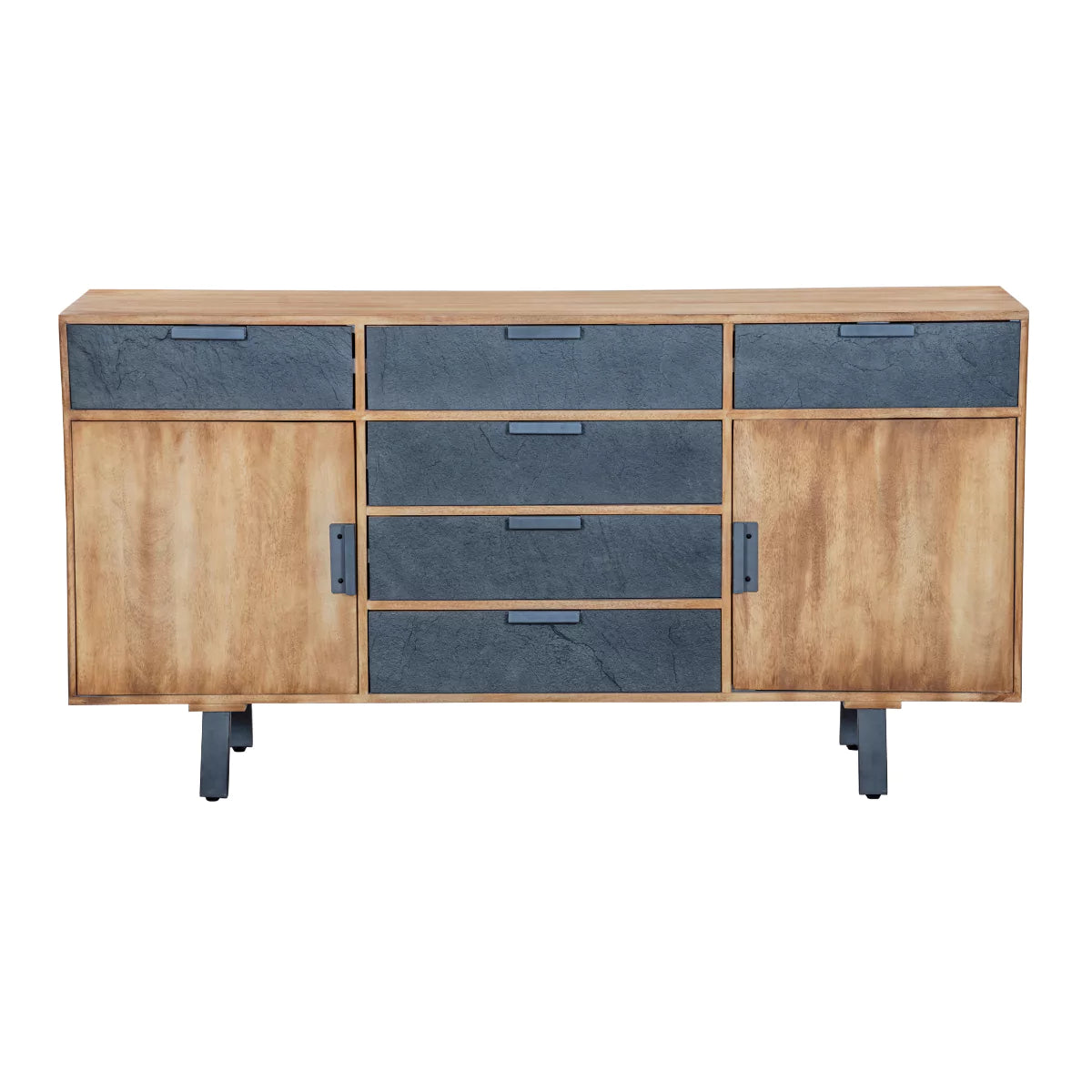
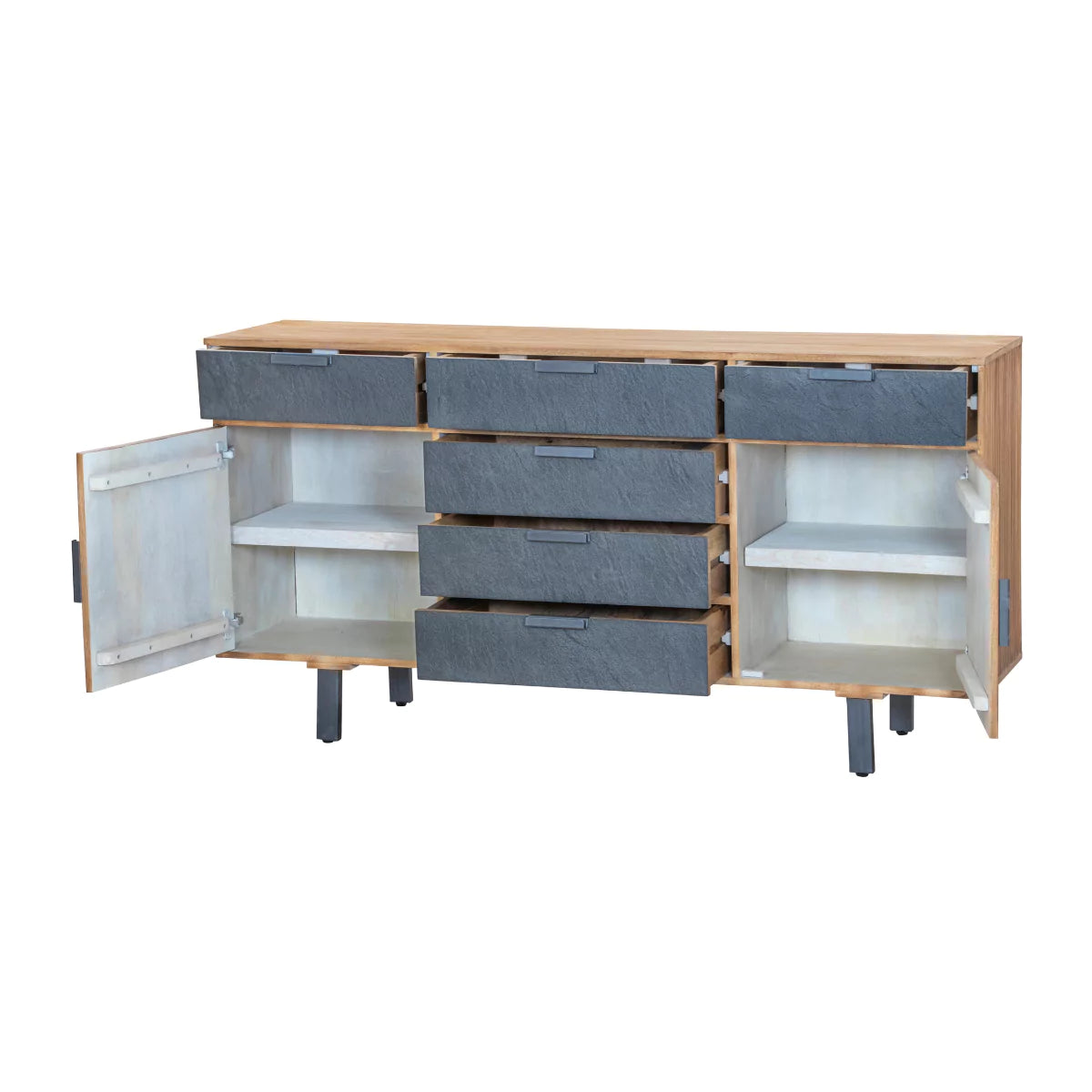
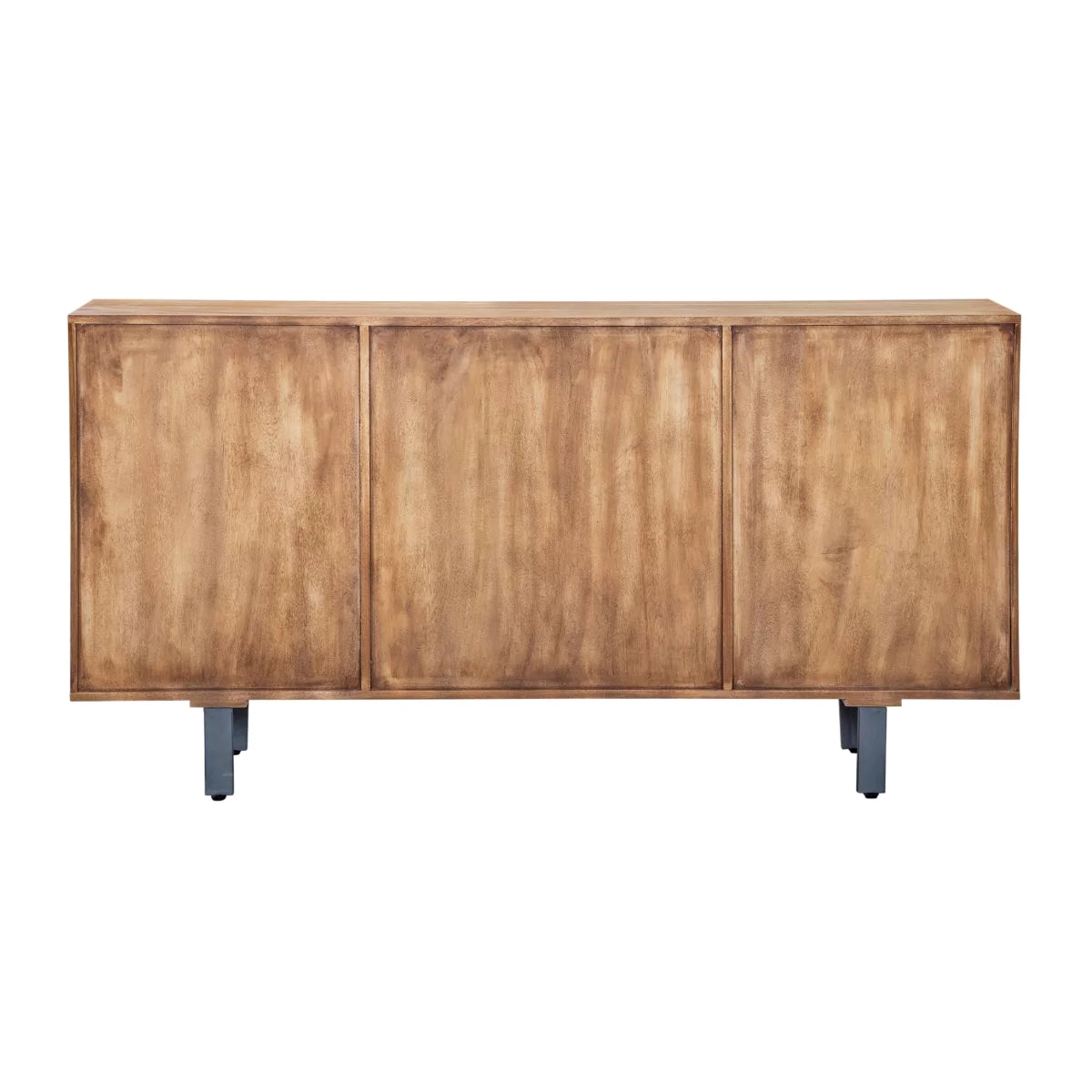
Mirevana Two-Tone Solid Wood Sideboard
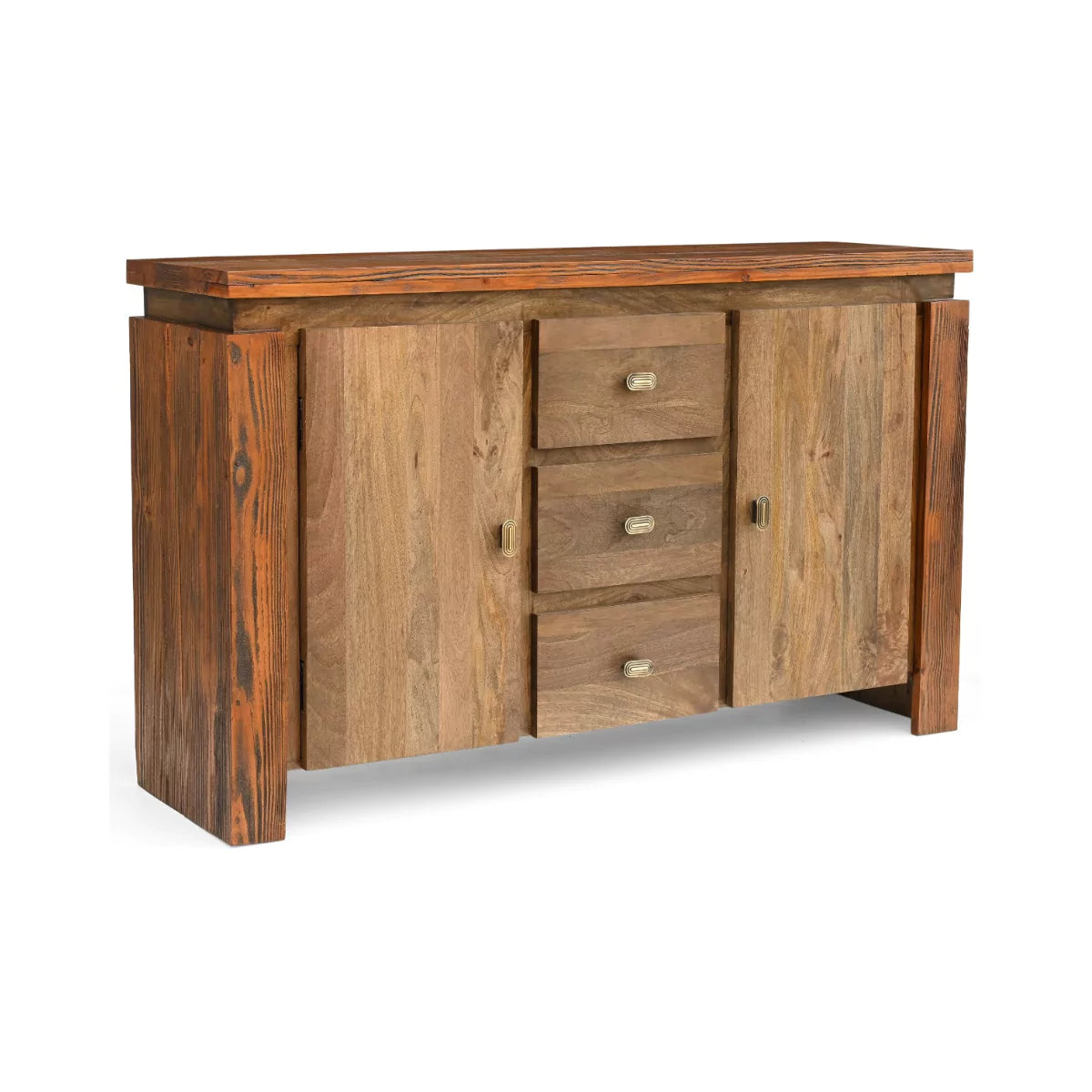
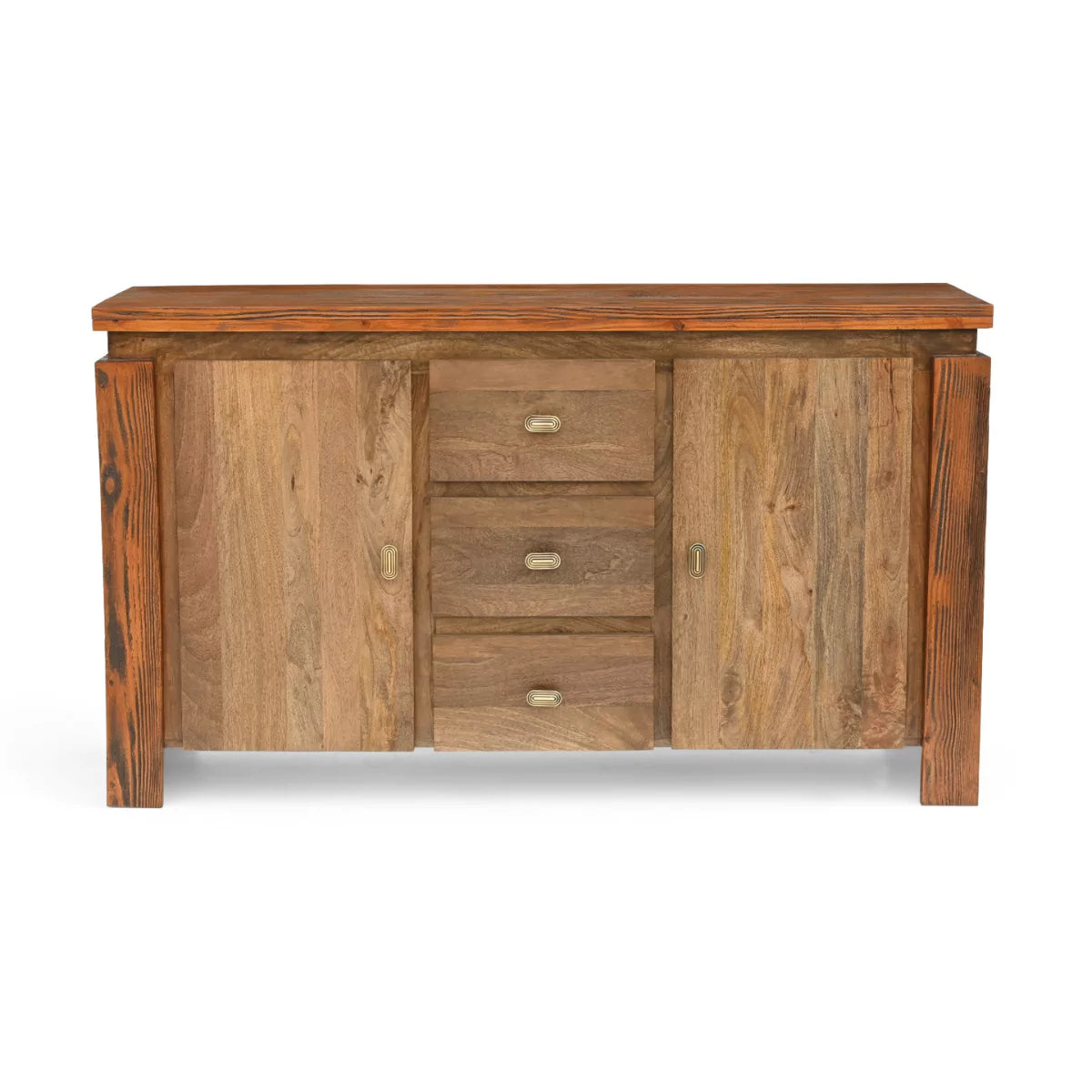
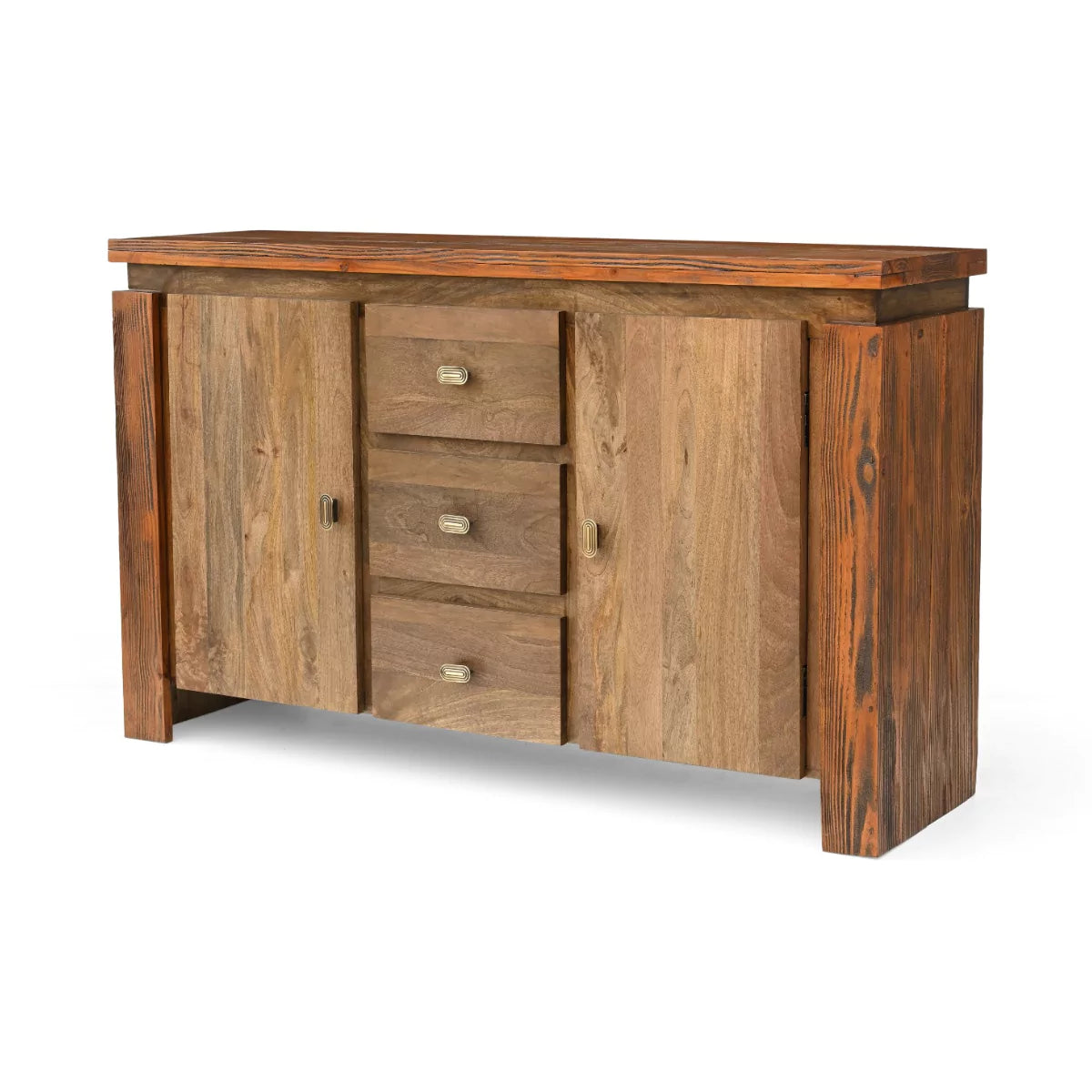
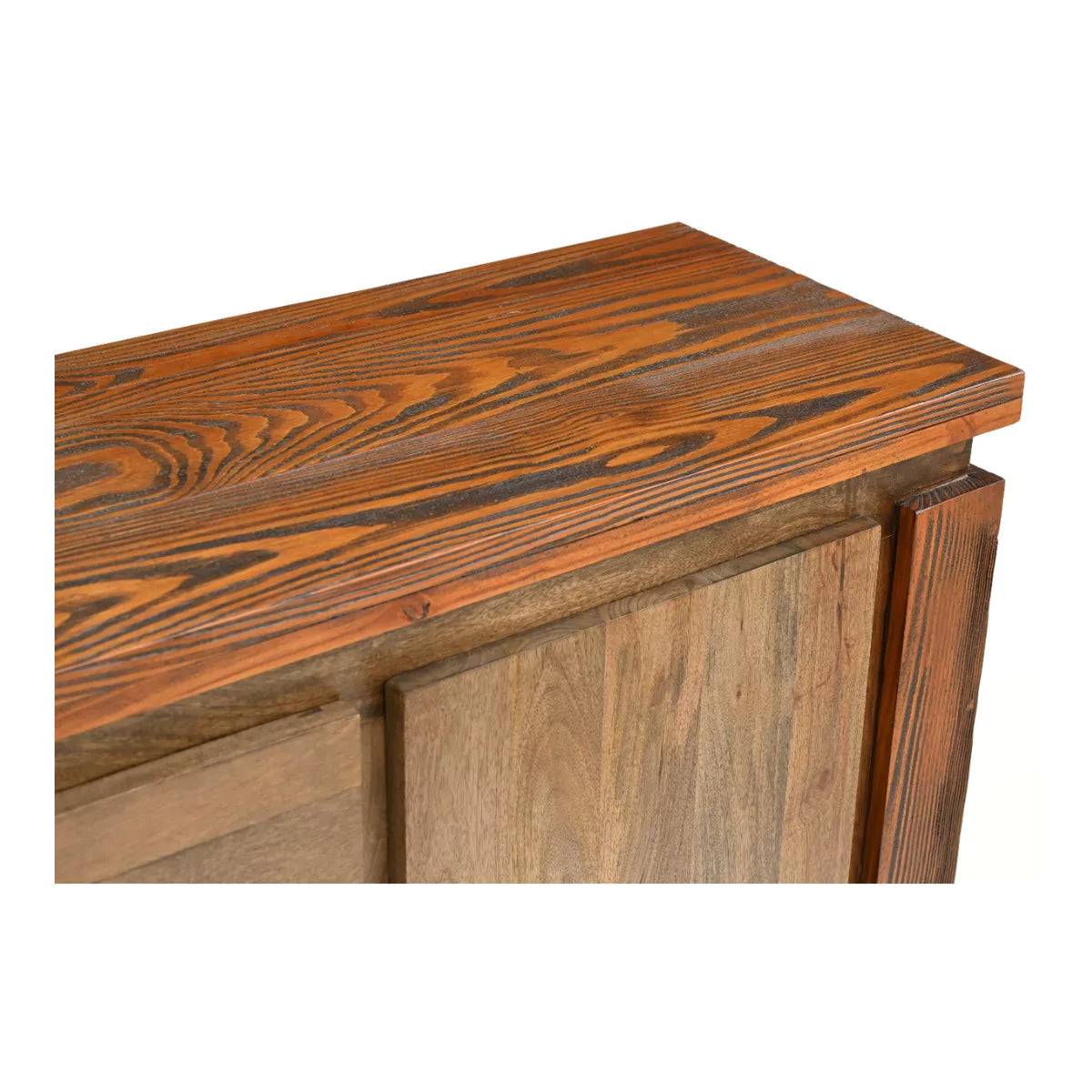
Evorence Traditional Solid Wood Sideboard
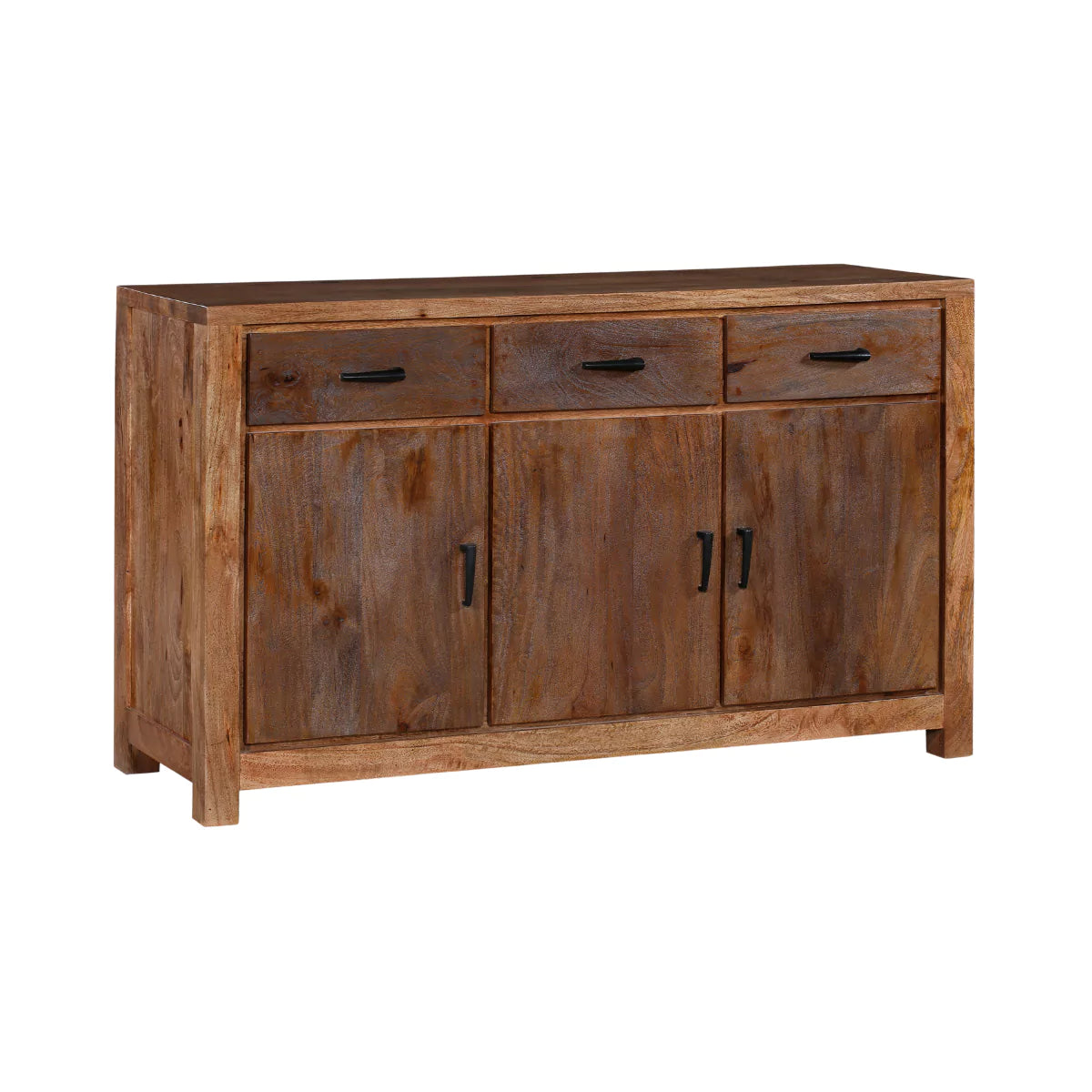
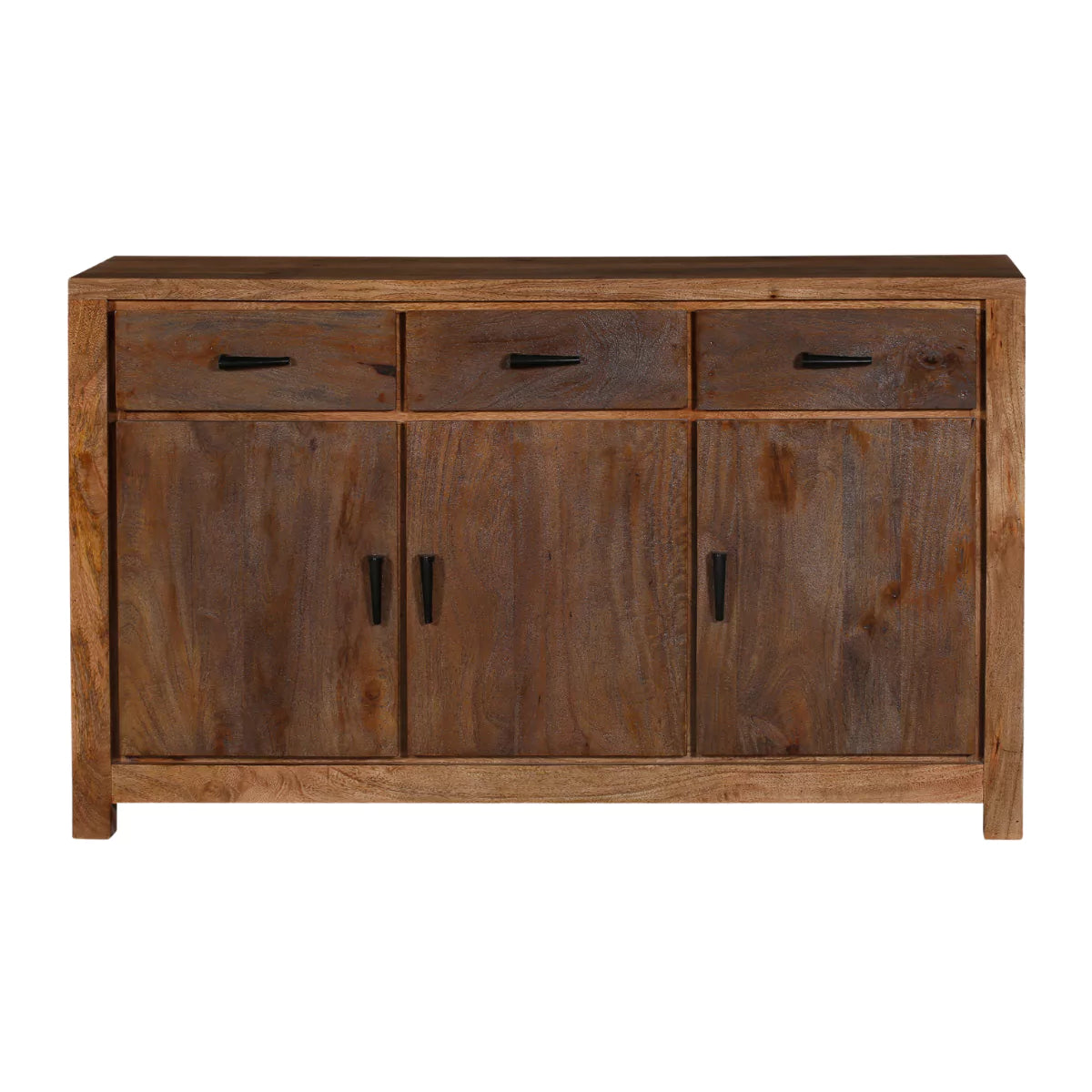
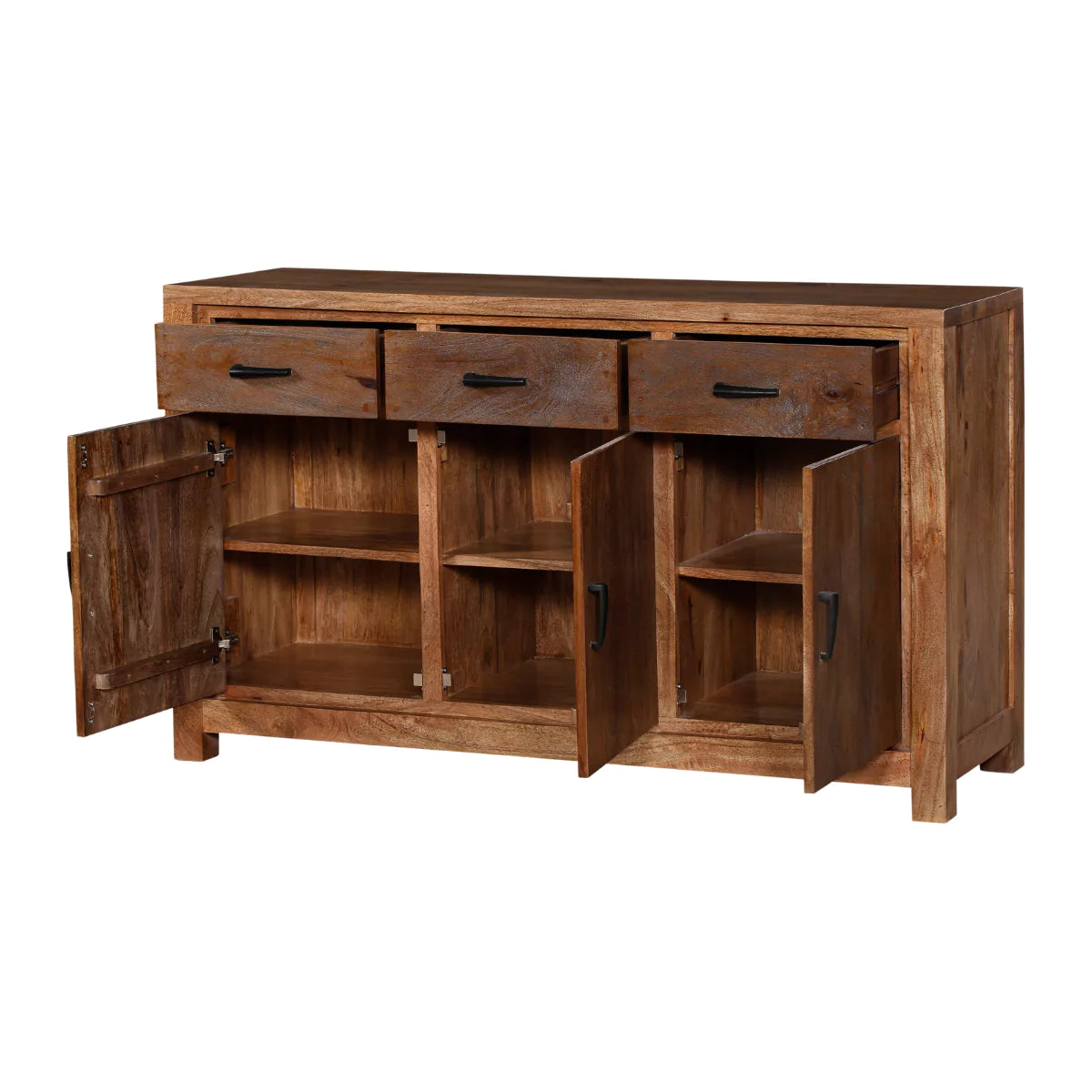
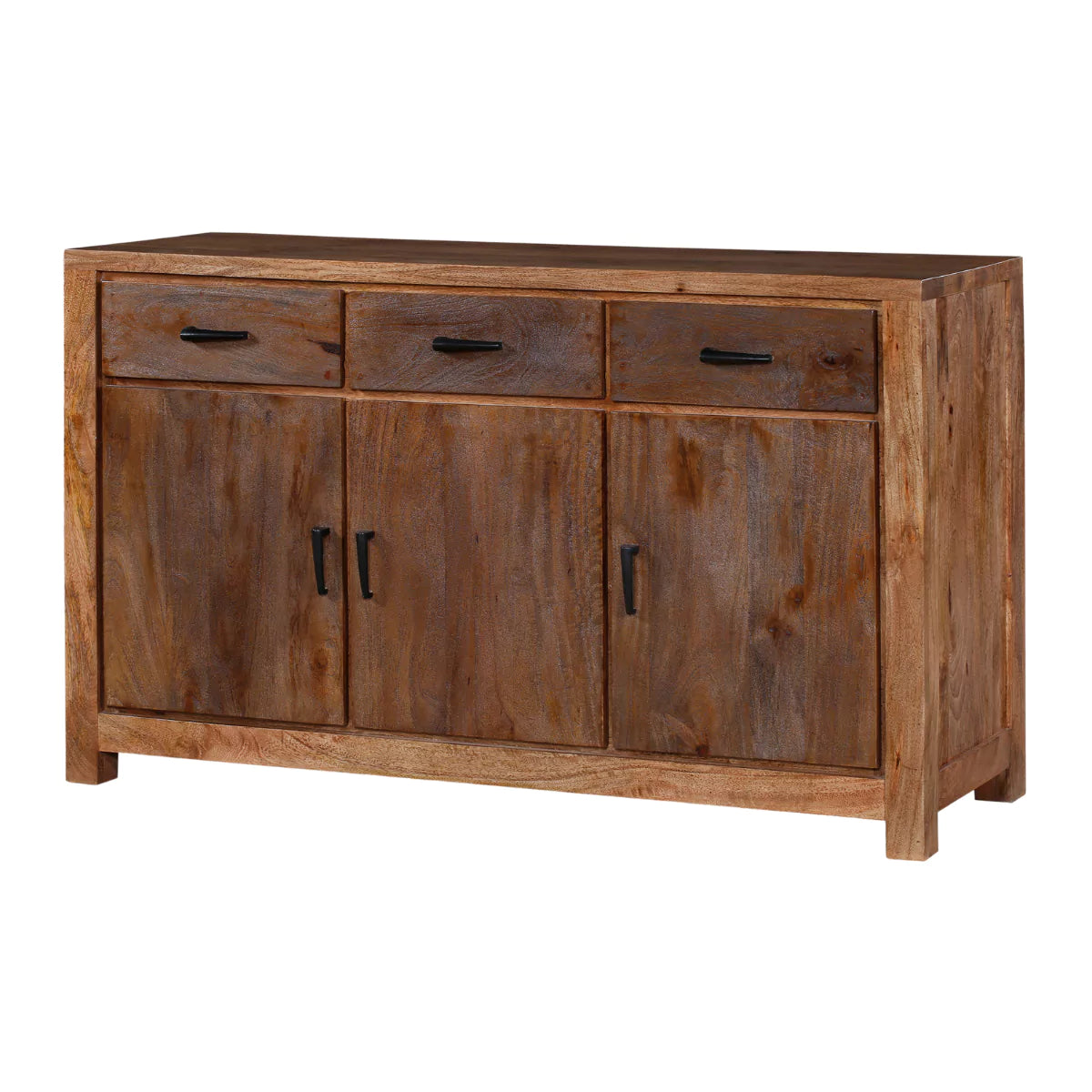
Orvencia Solid Rustic Wood Sideboard
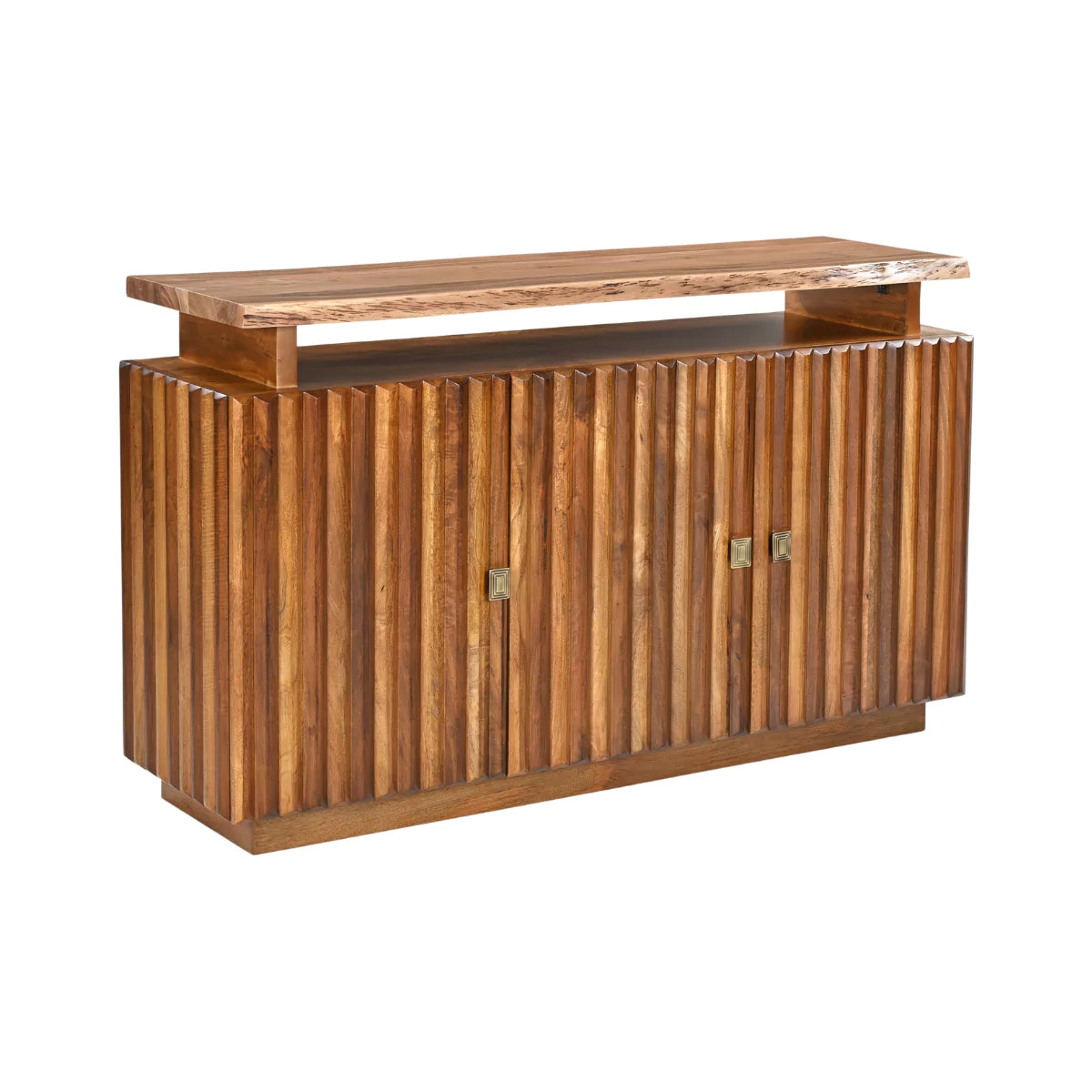
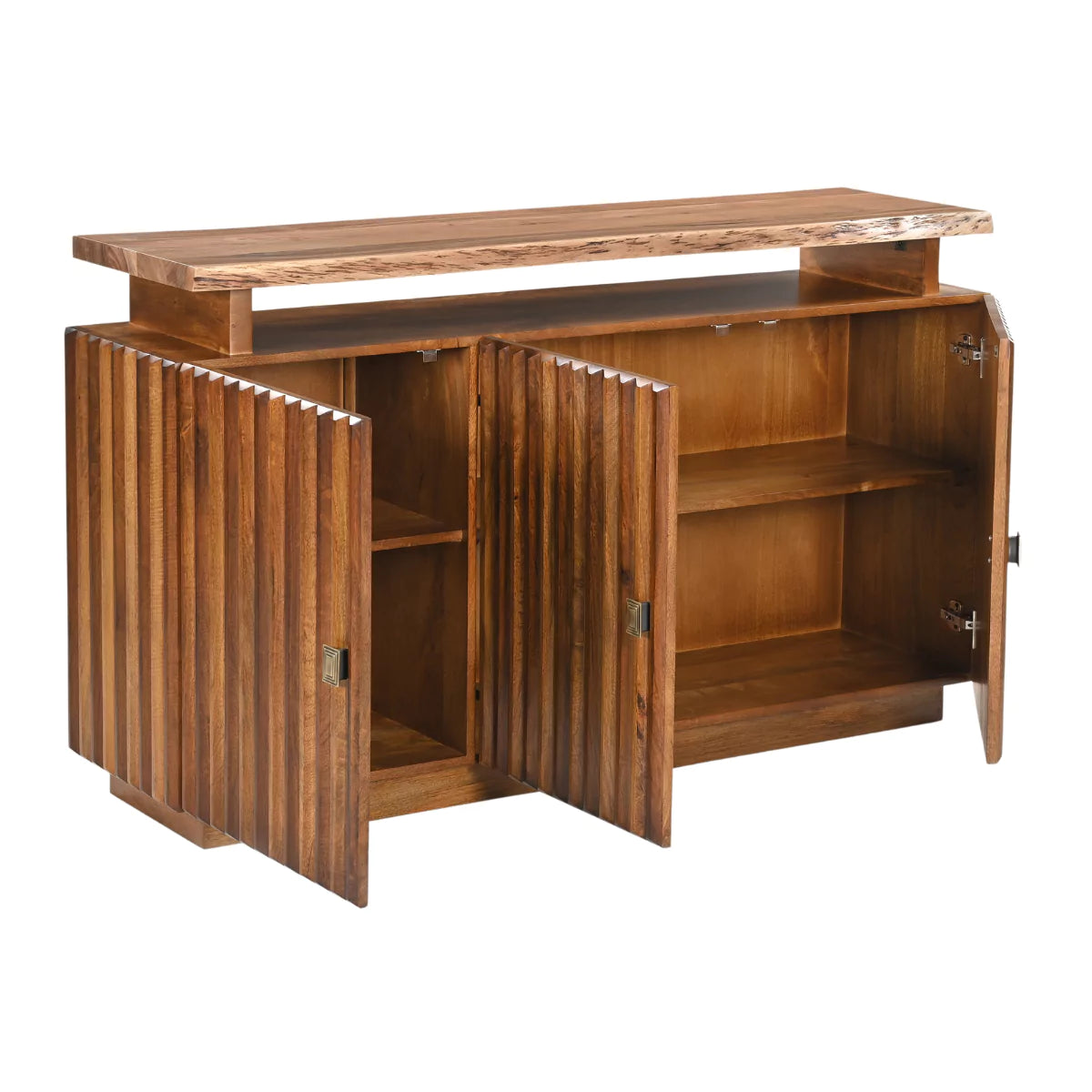
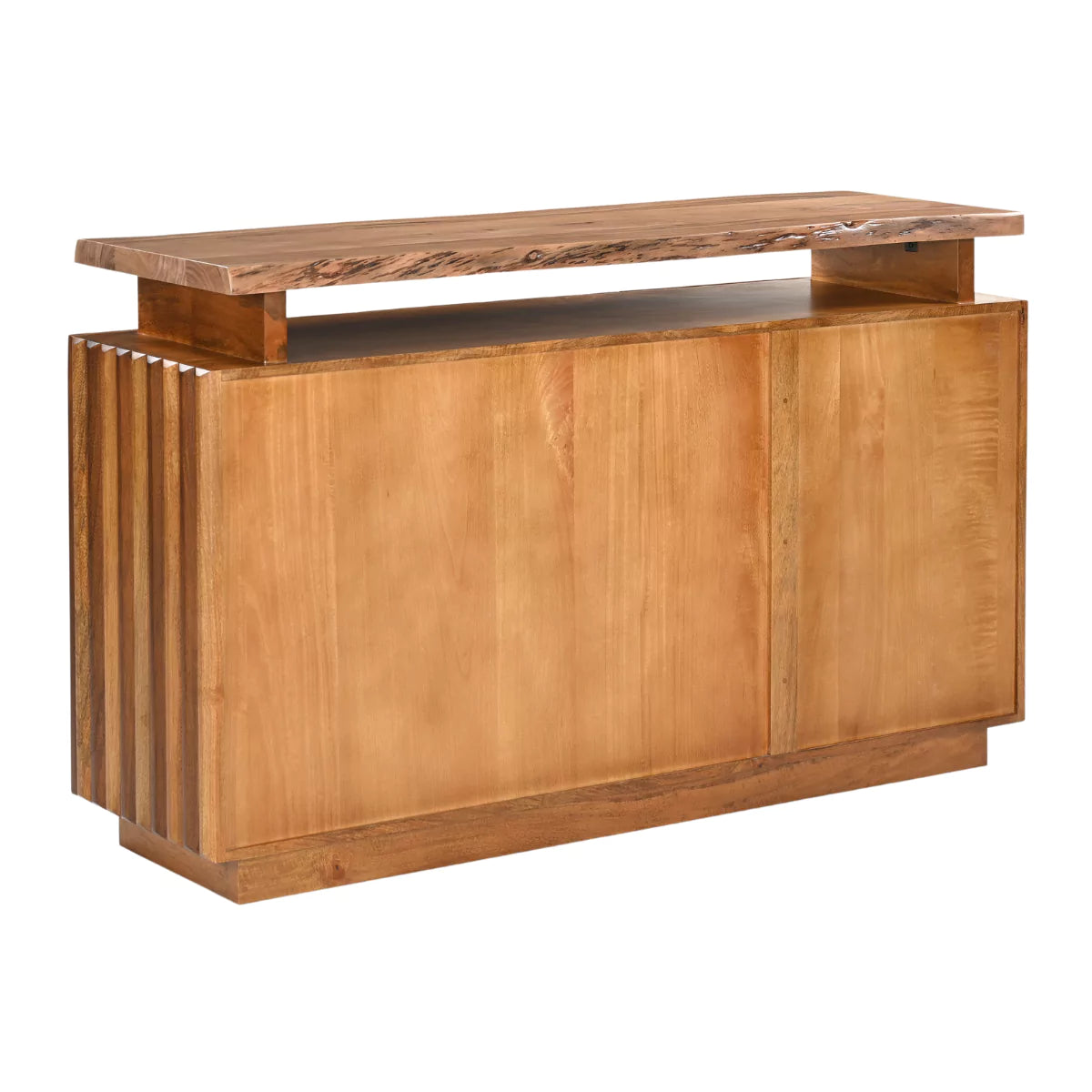
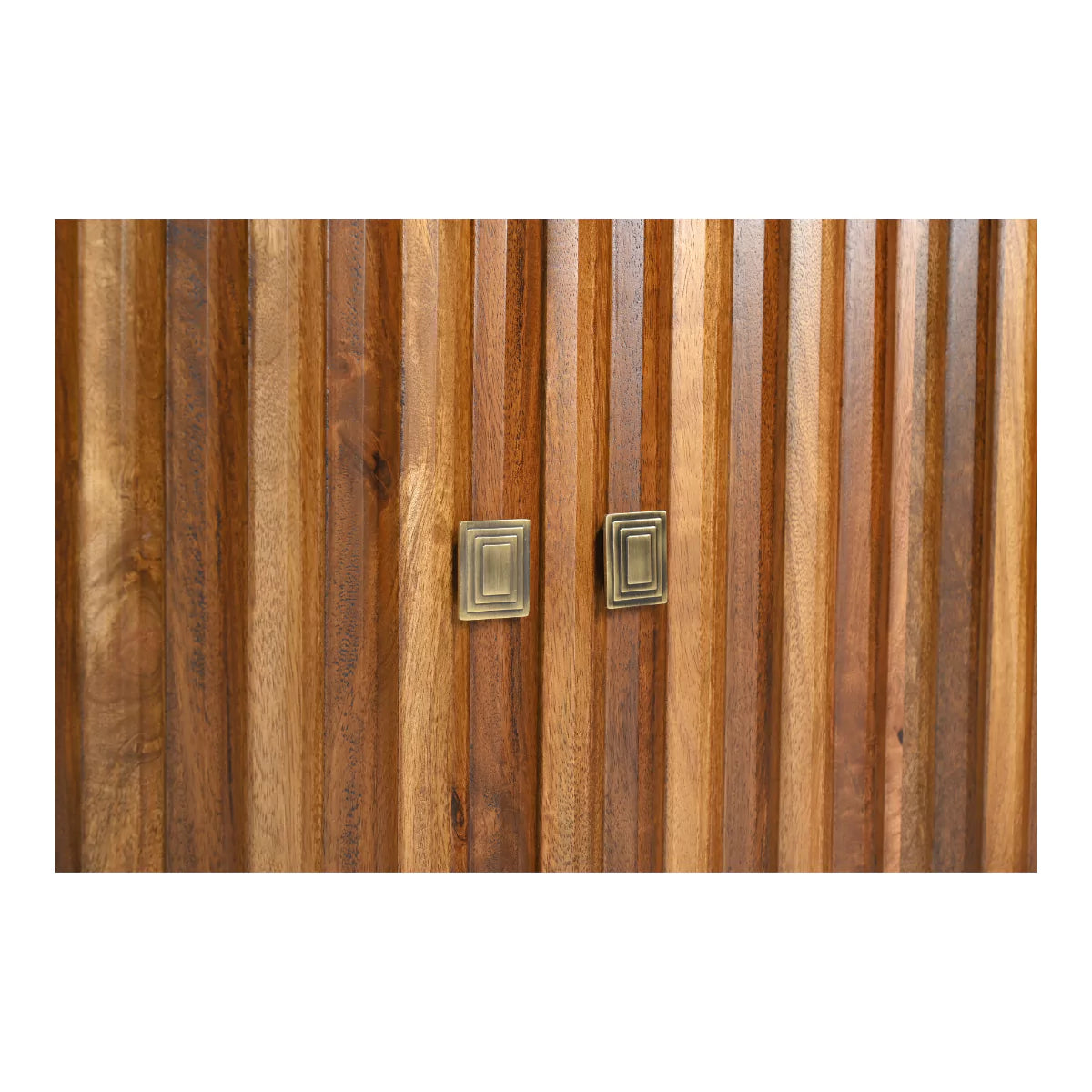
Drevora 3-Door Solid Wood Sideboard
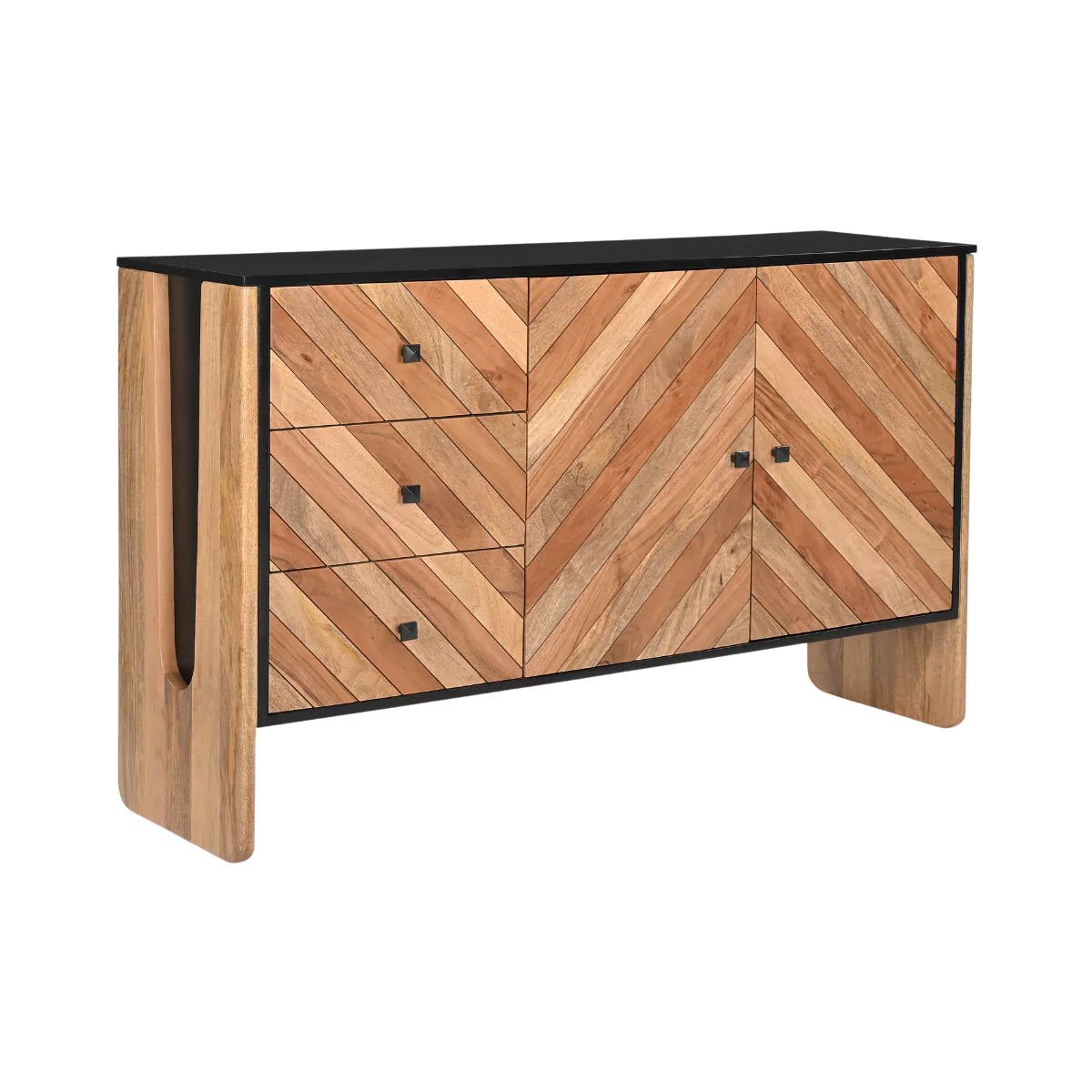
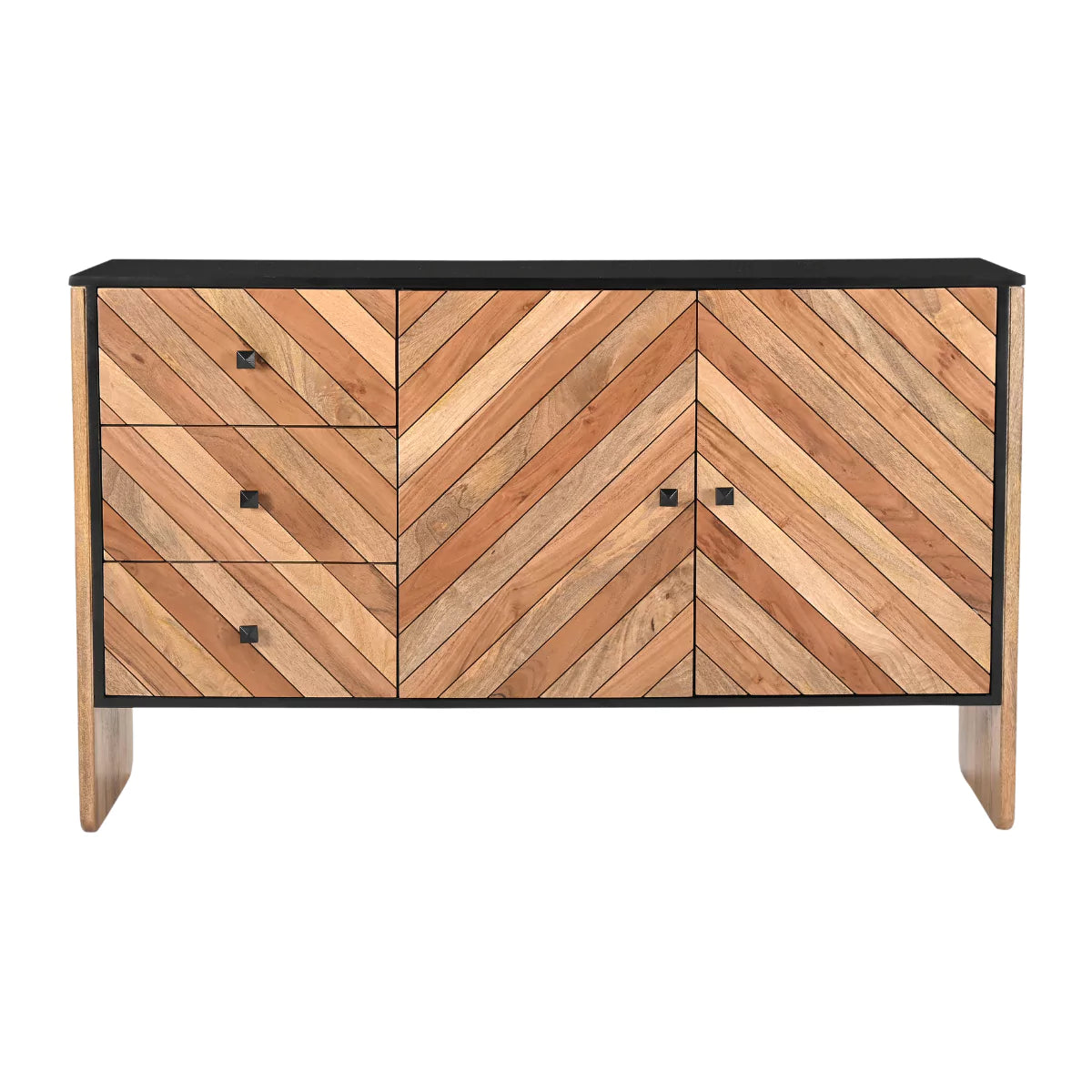
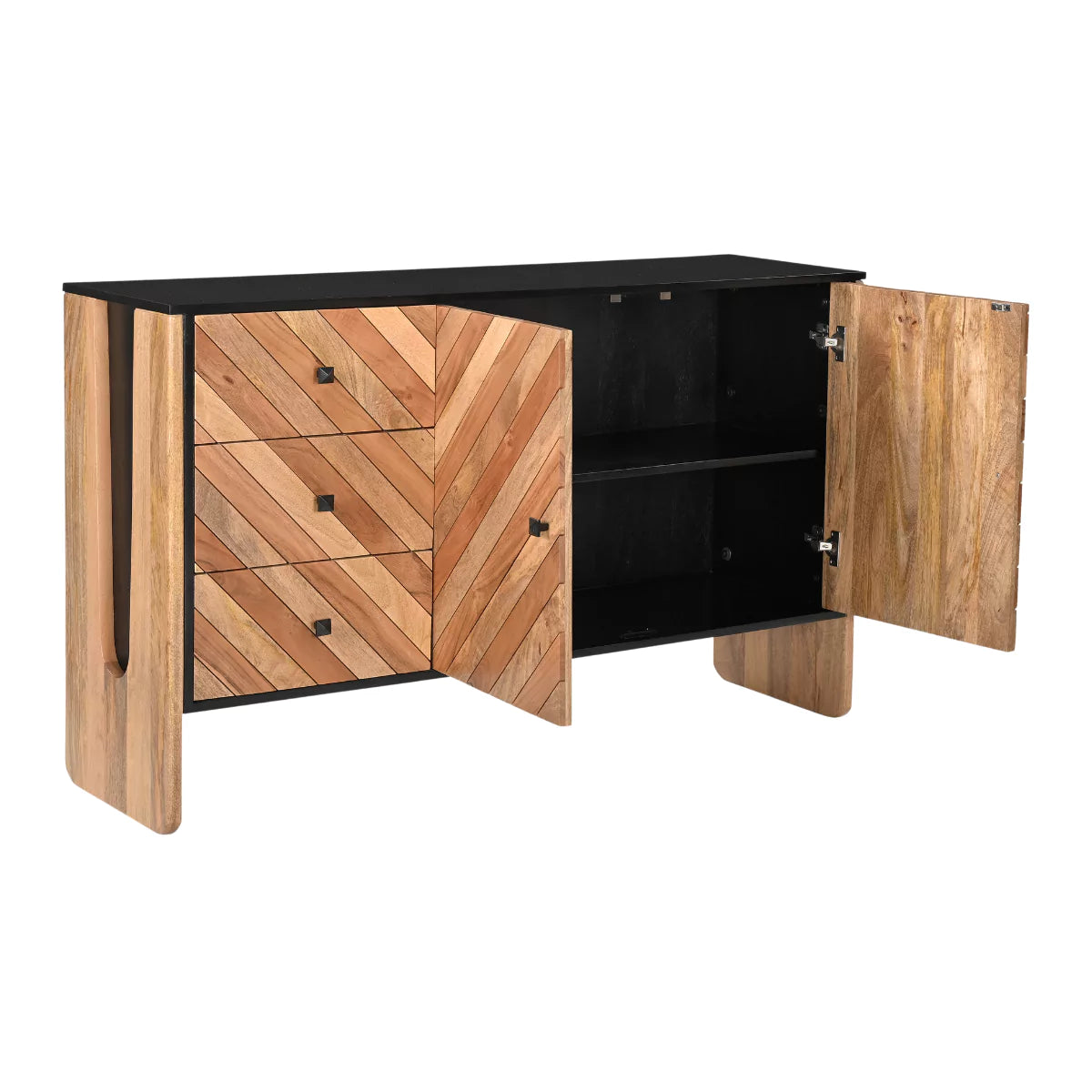
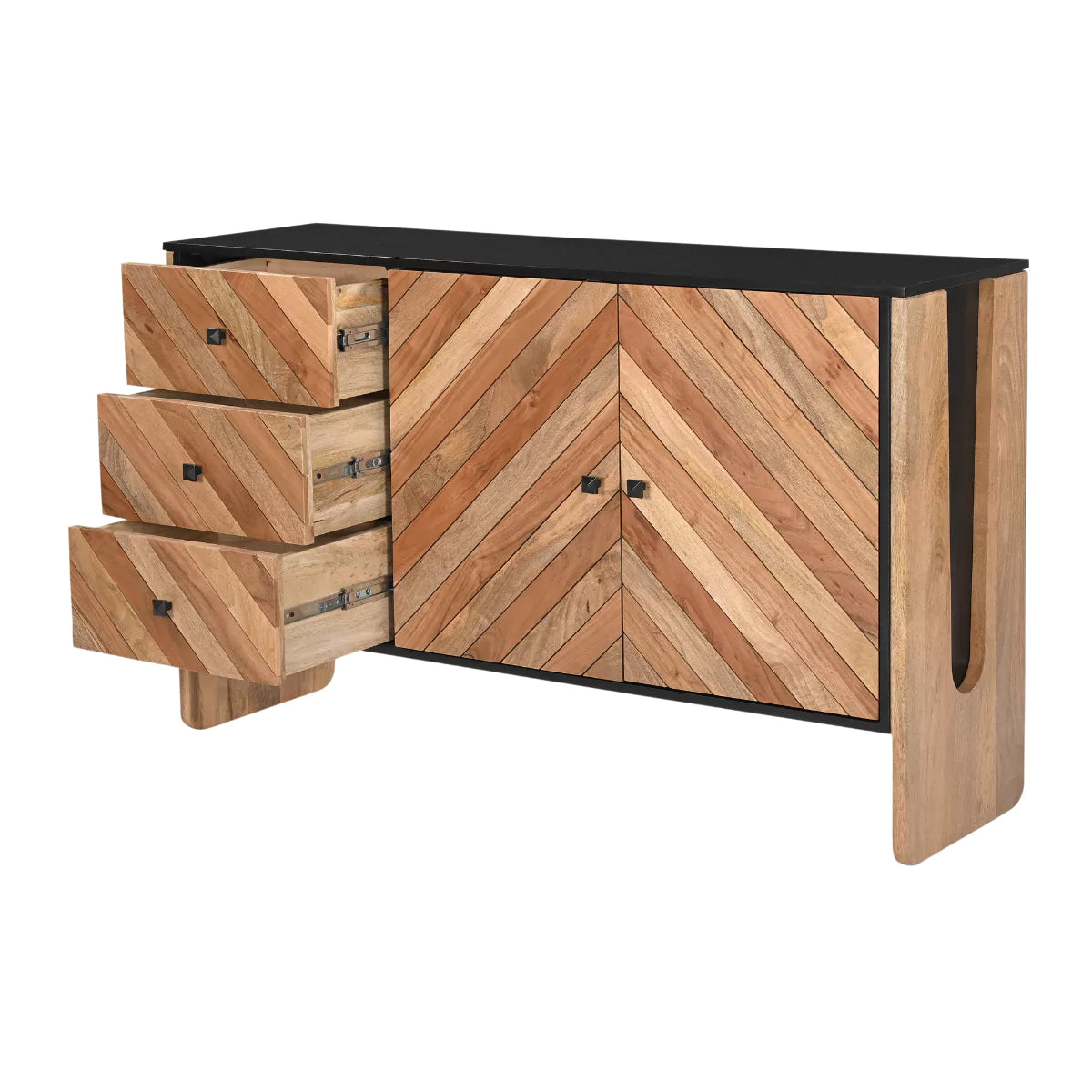
Crestora Solid Wood Dual-Tone Sideboard
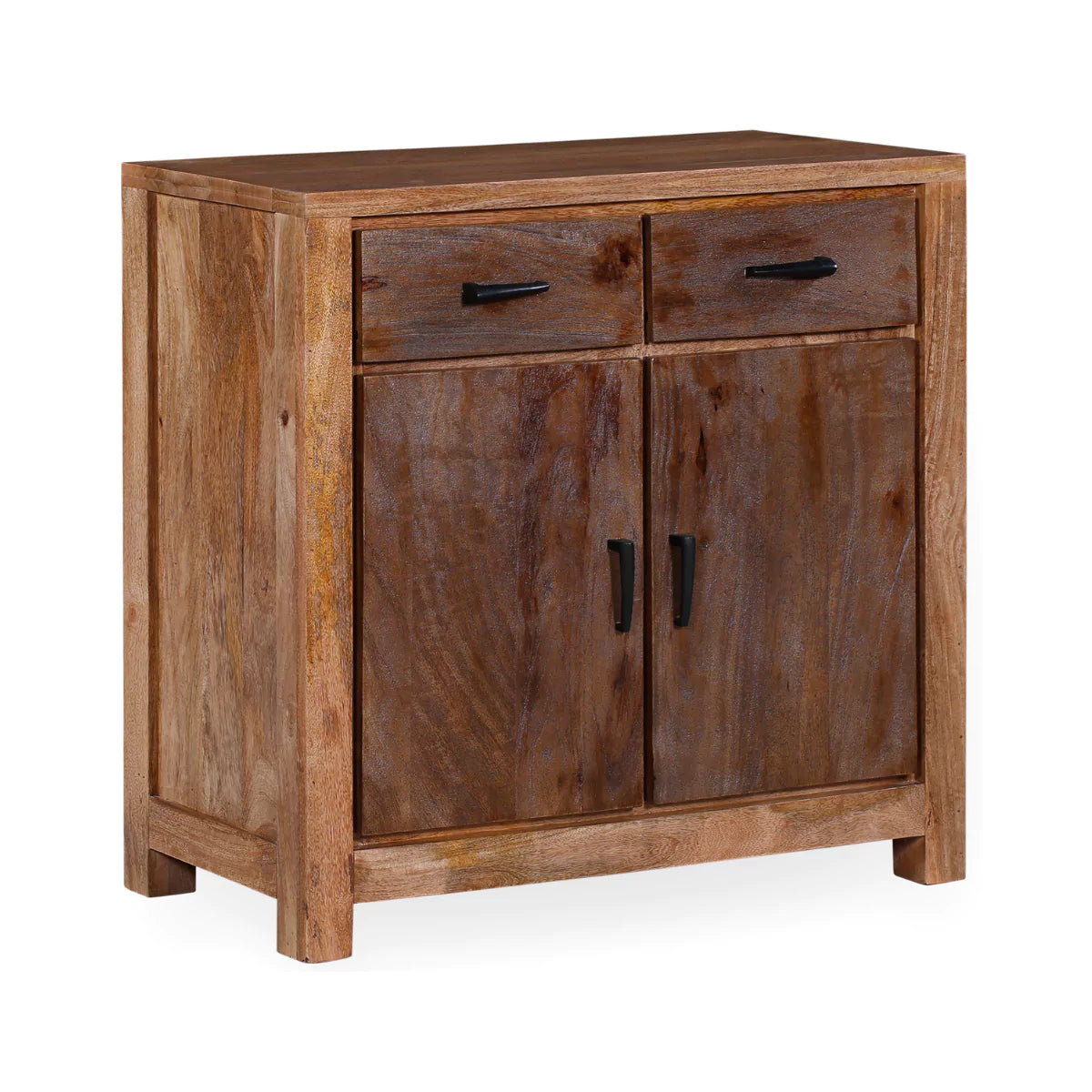
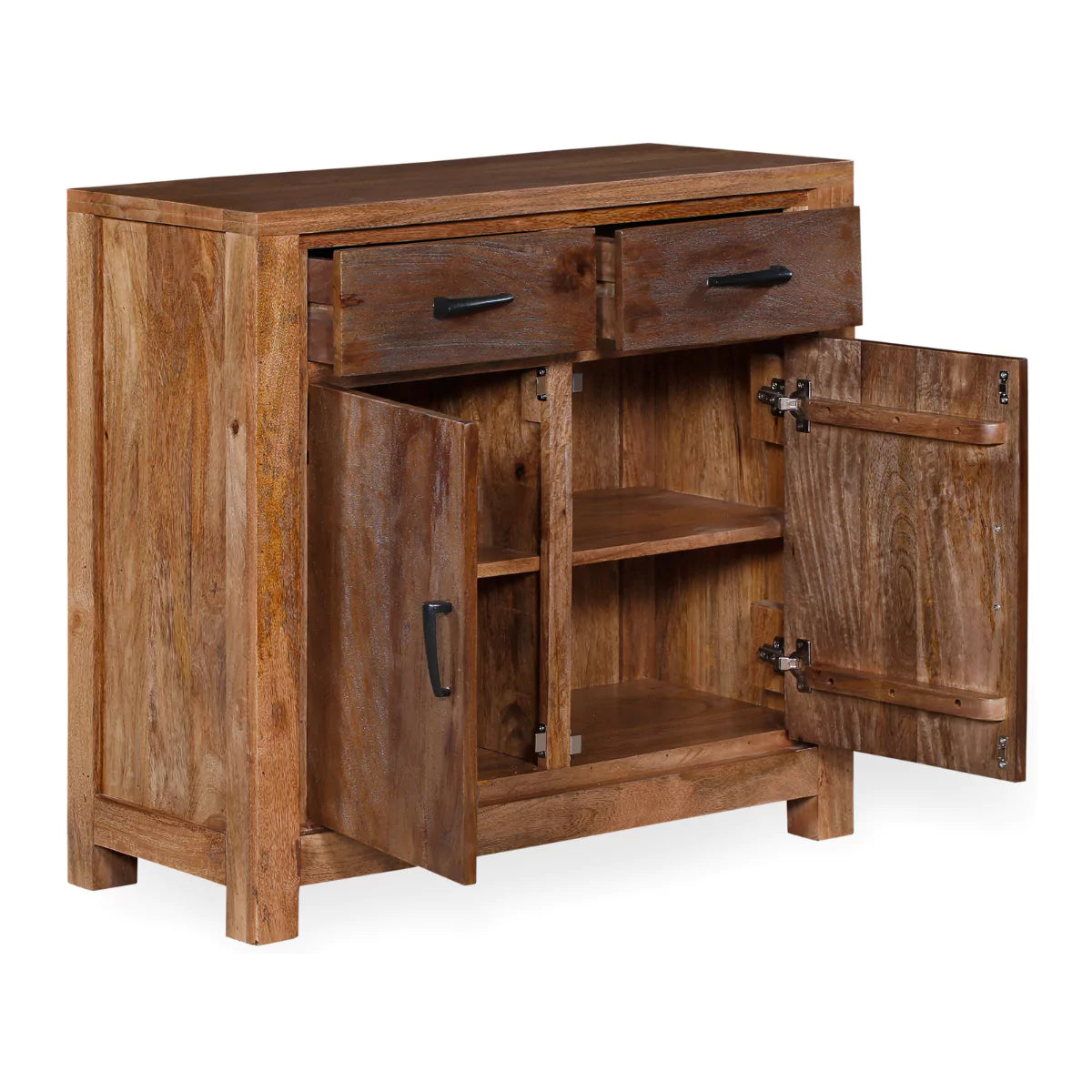
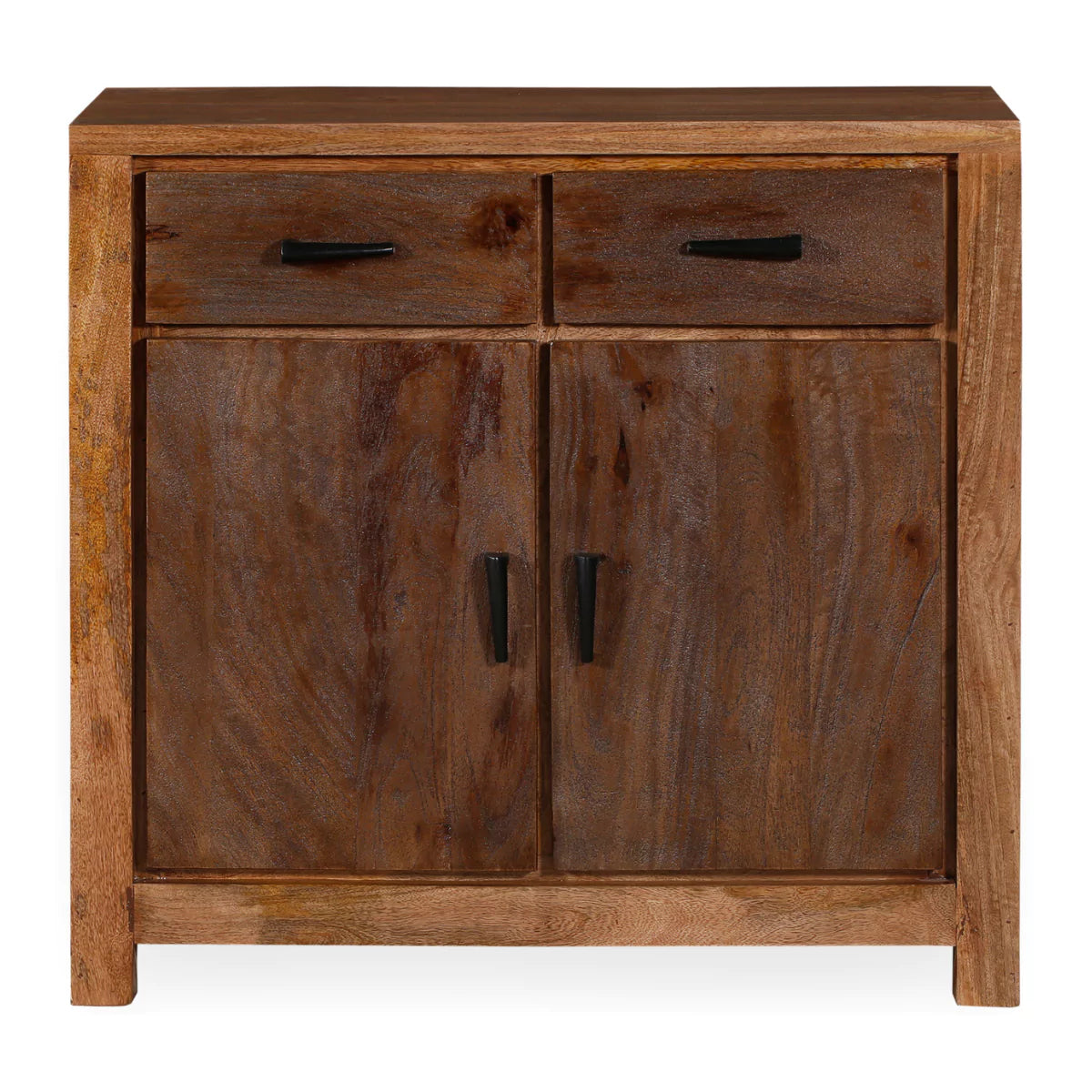
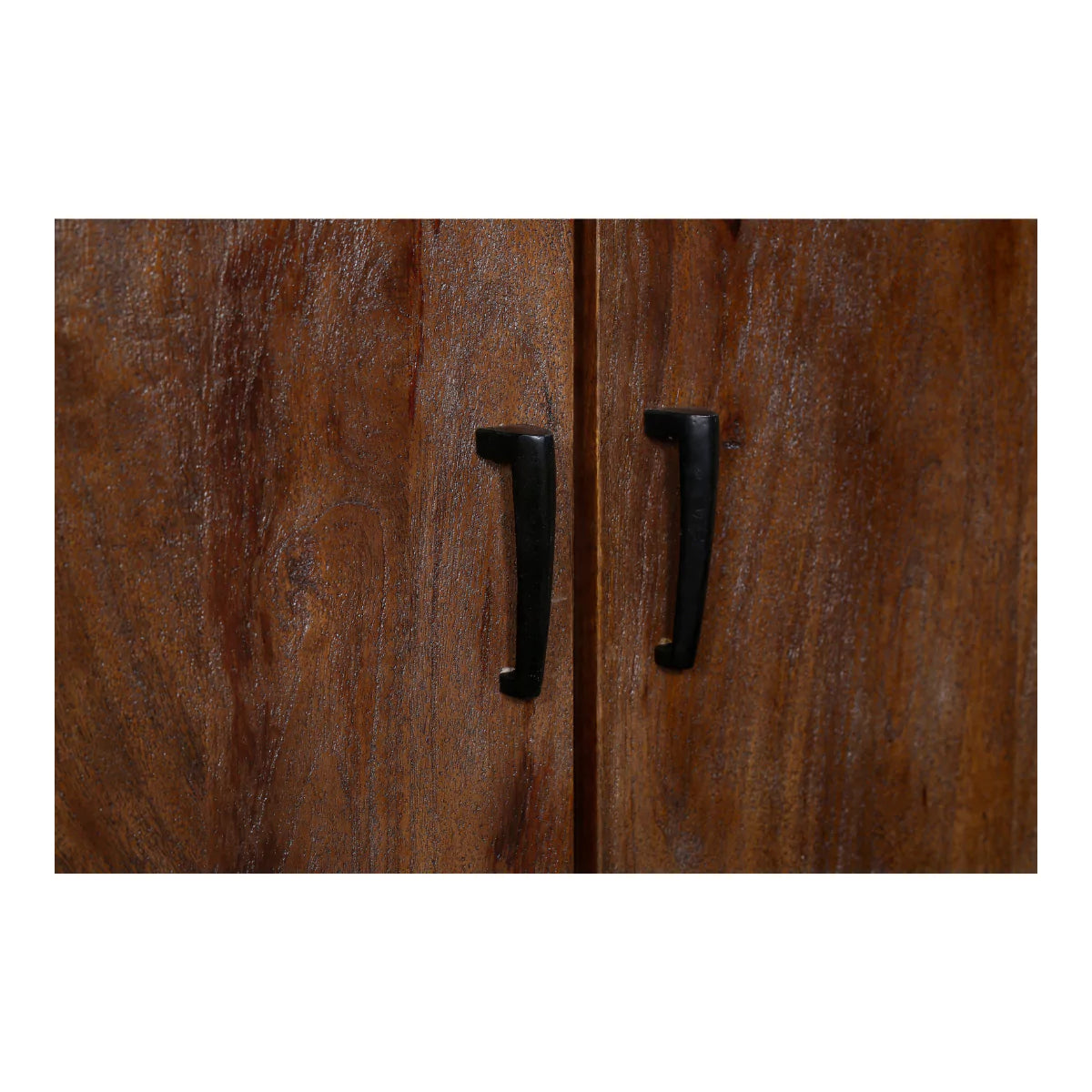
Orvencia Rustic Solid Wood Small Sideboard

Crafted from 100% Solid Wood
Perfect Fit for Every Space
Small room or a large home? We'll customize furniture to fit seamlessly into your layout—beautiful, functional, and unique to you.
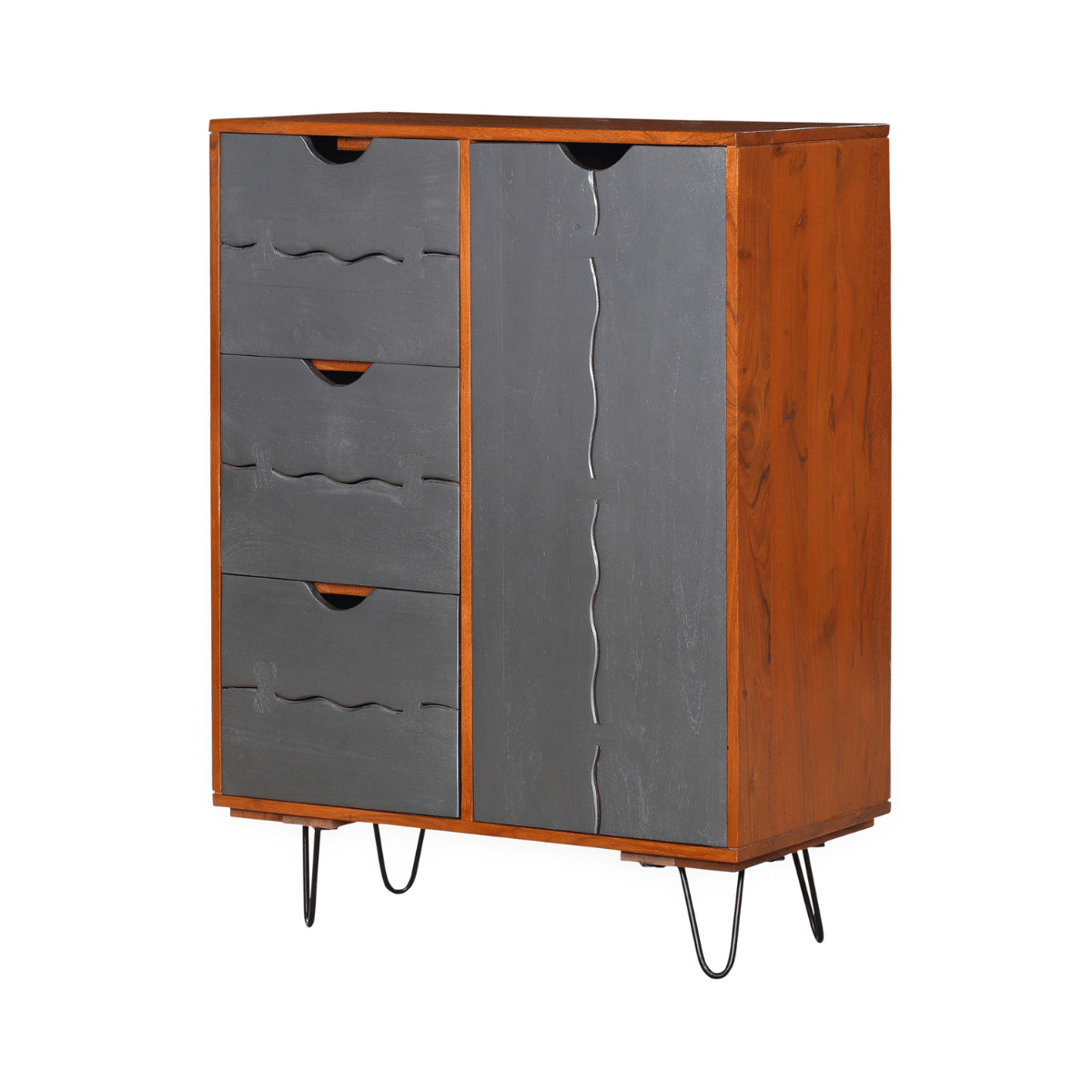
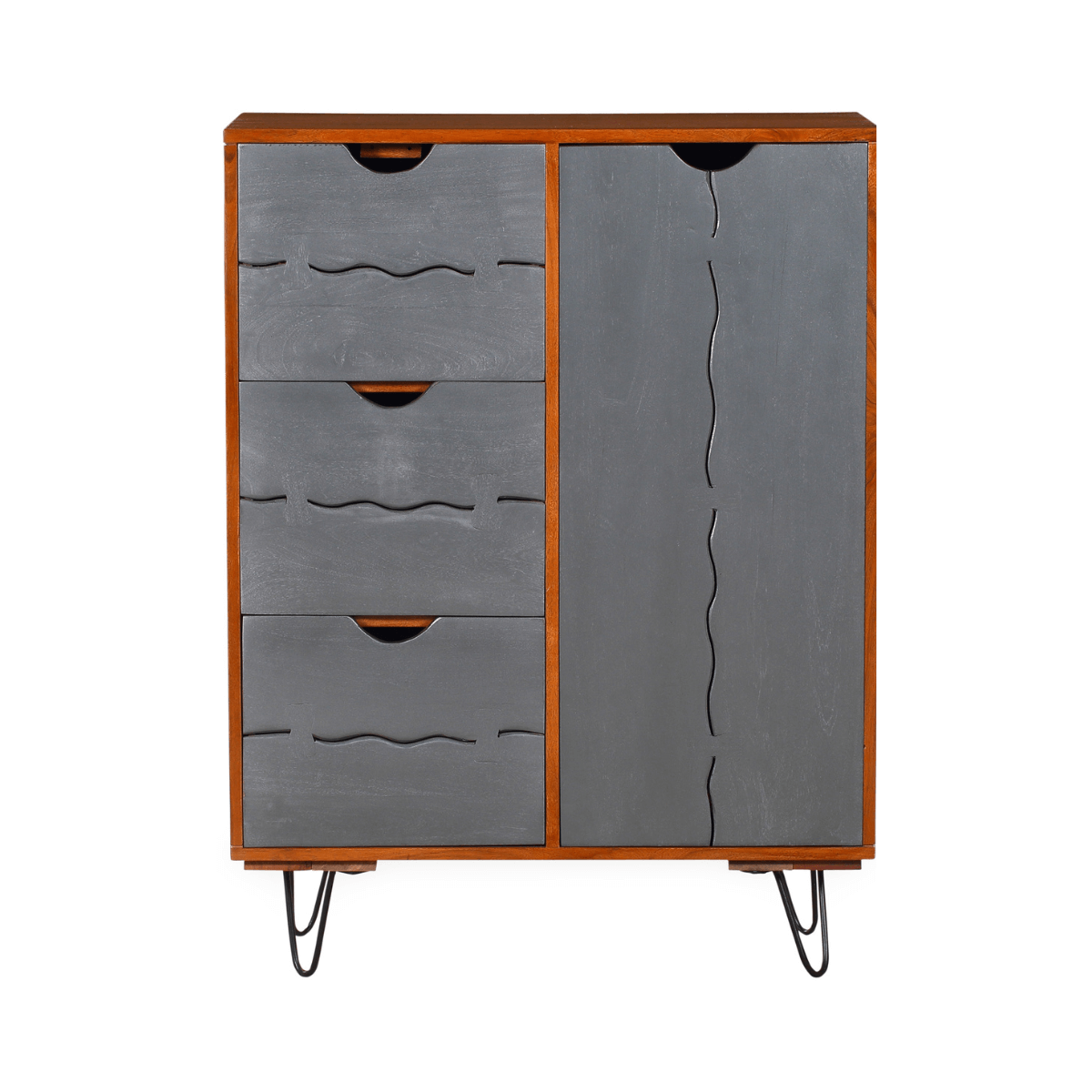
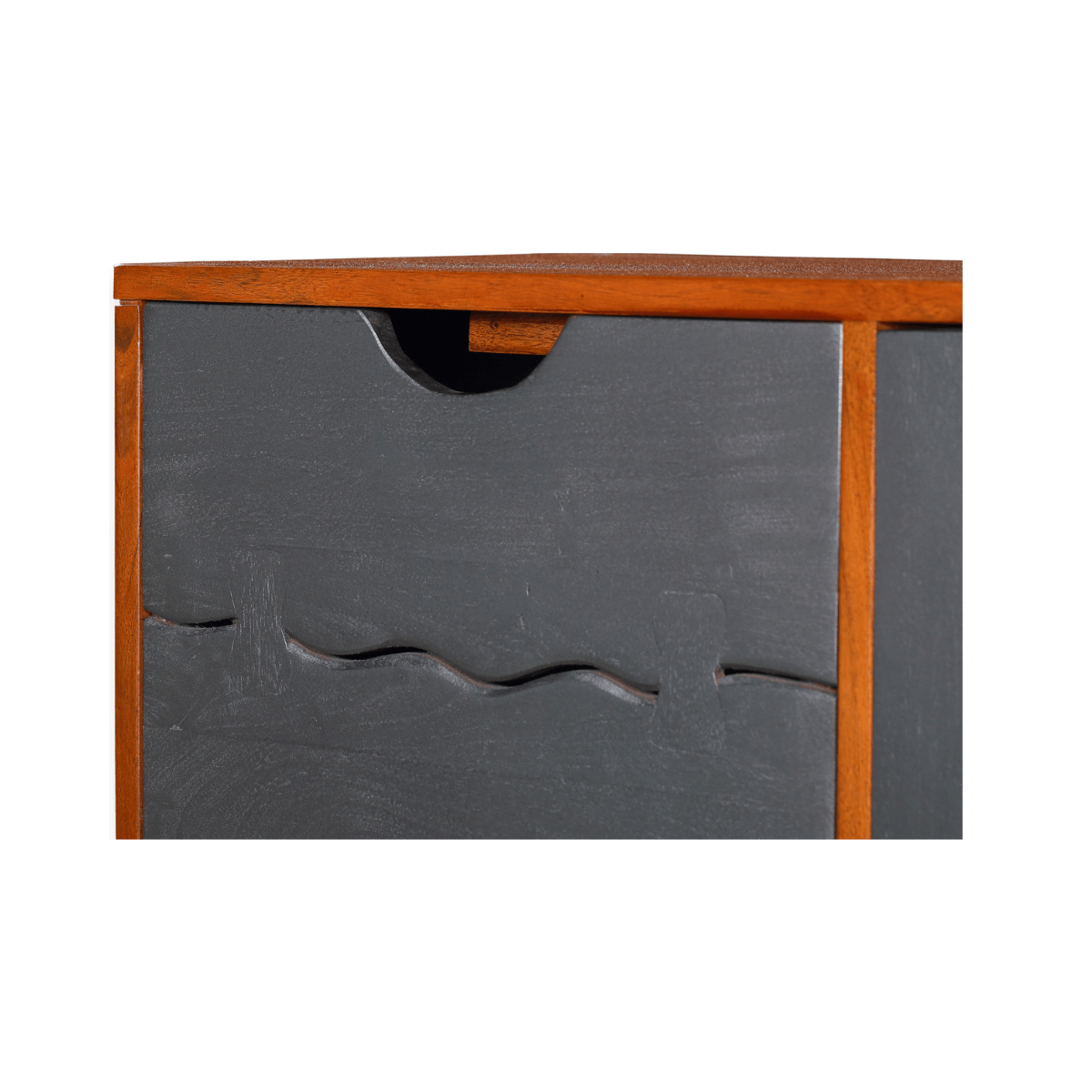
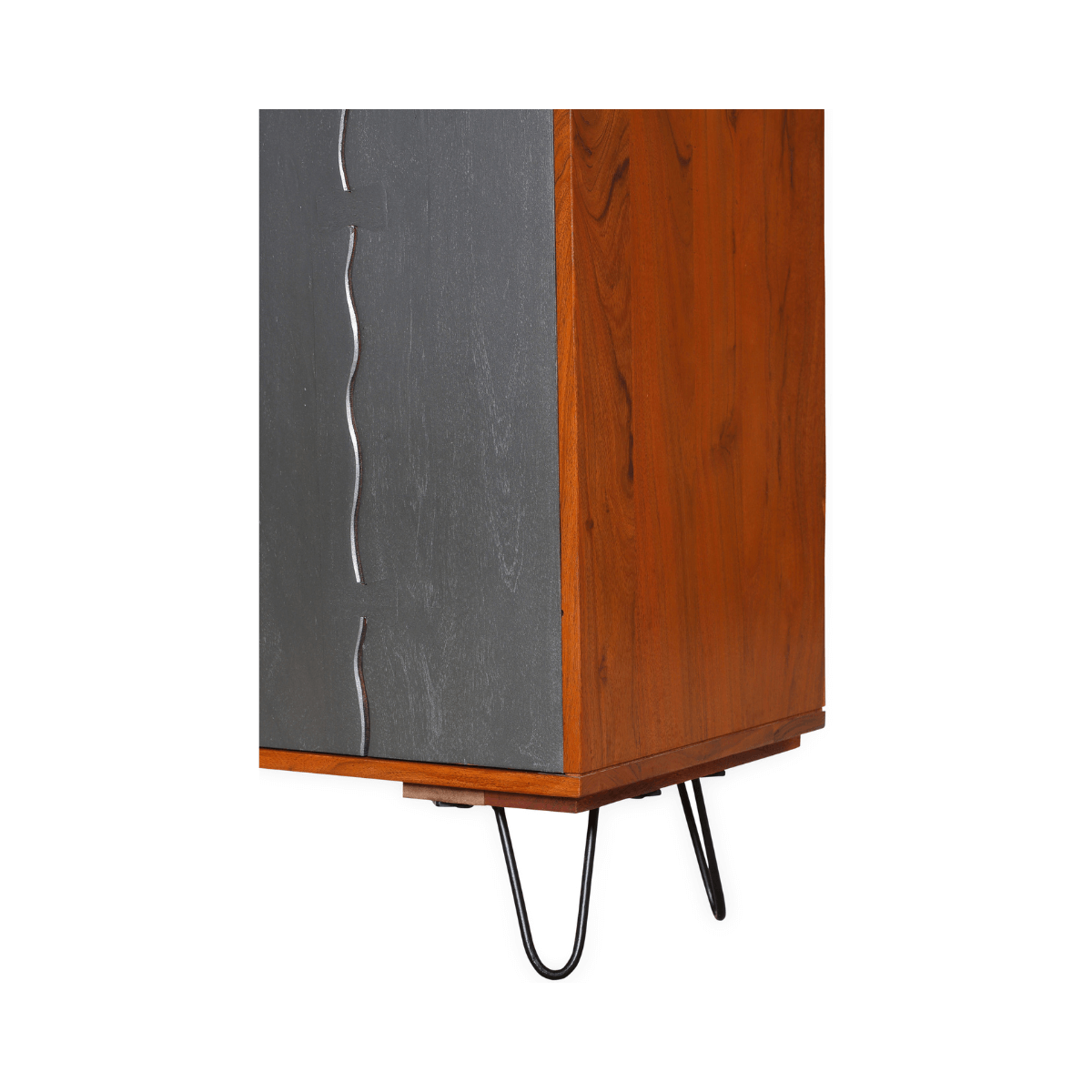
Vexlore Modern Solid Wood Storage Cabinet
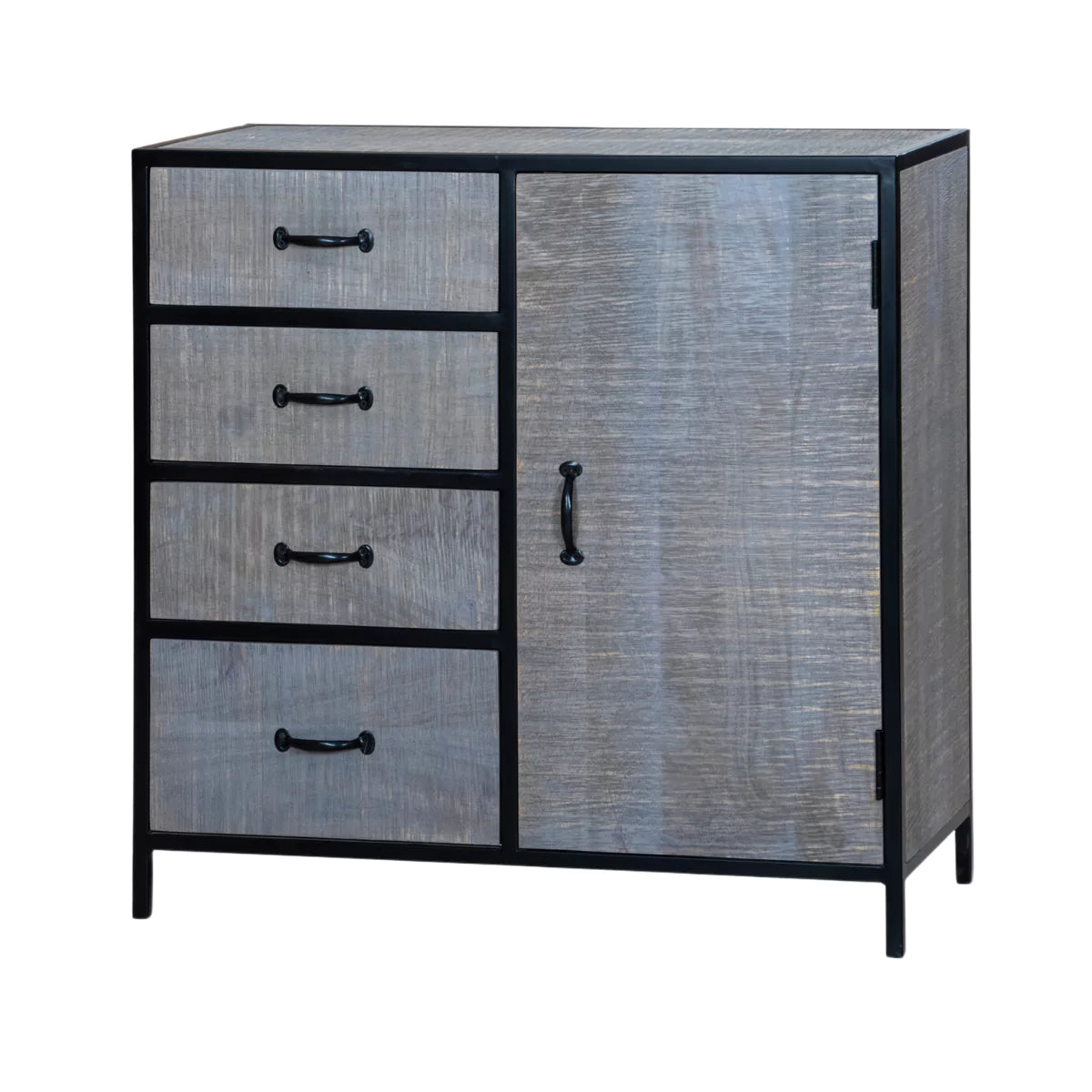
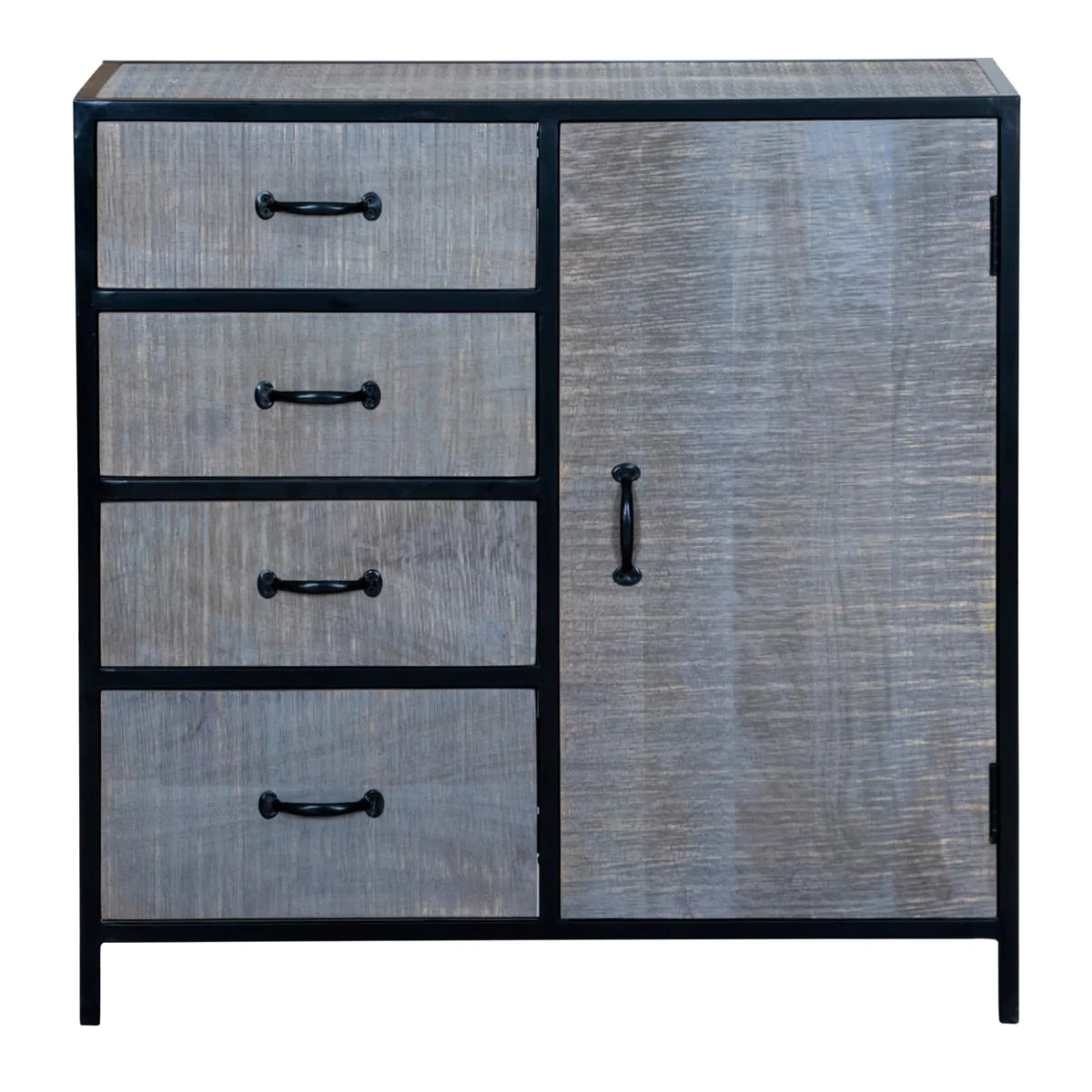
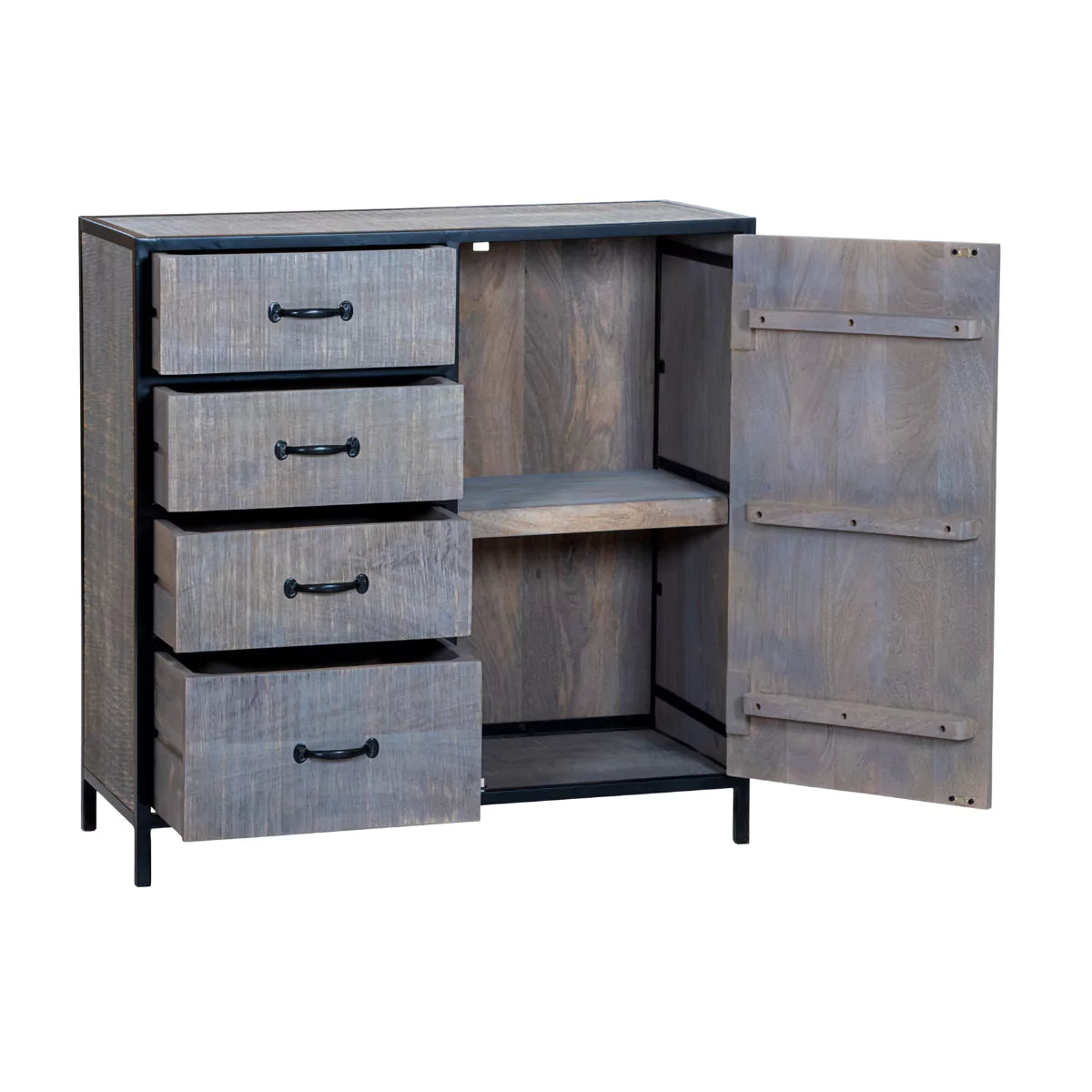
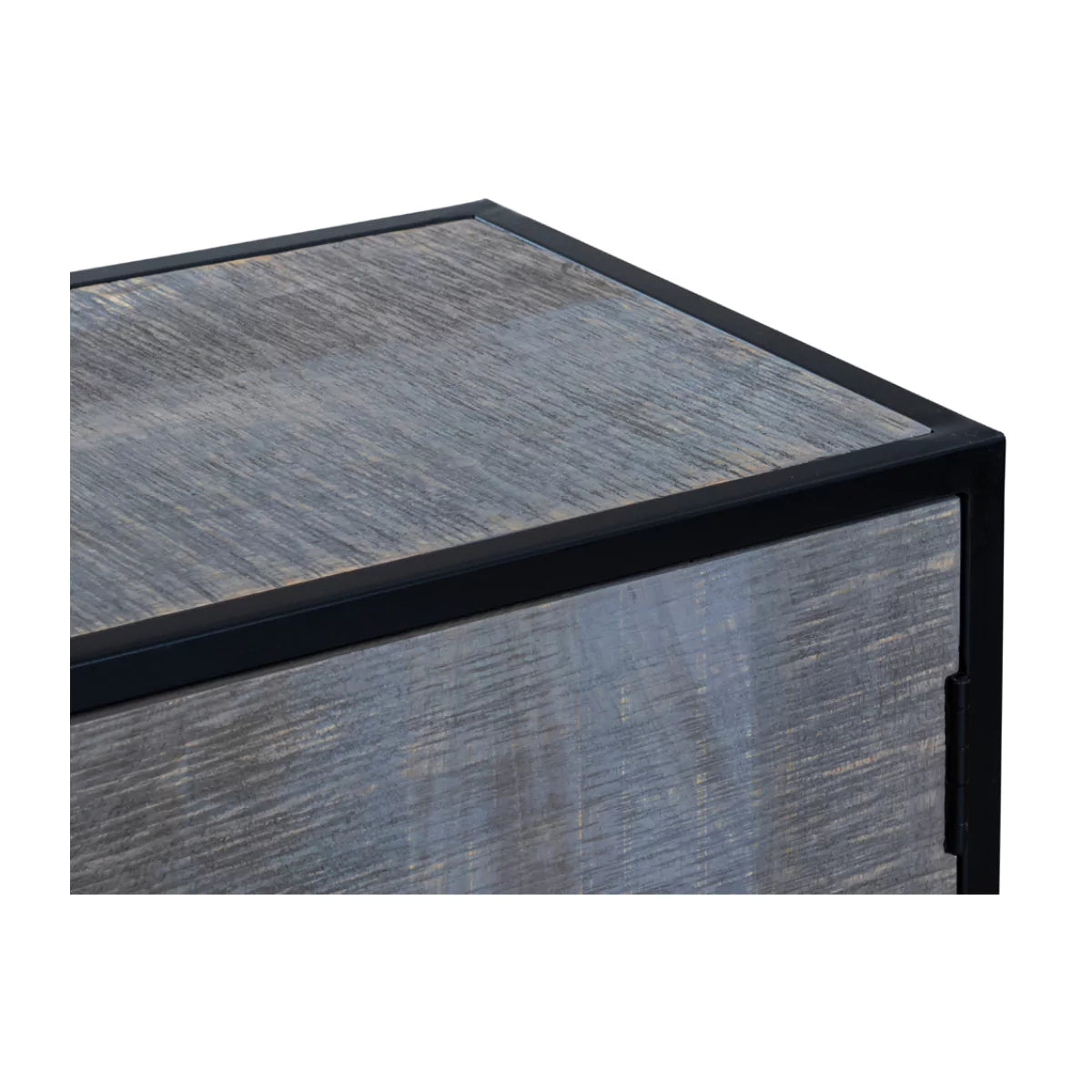
Ovela Industrial Style Grey Wooden Sideboard
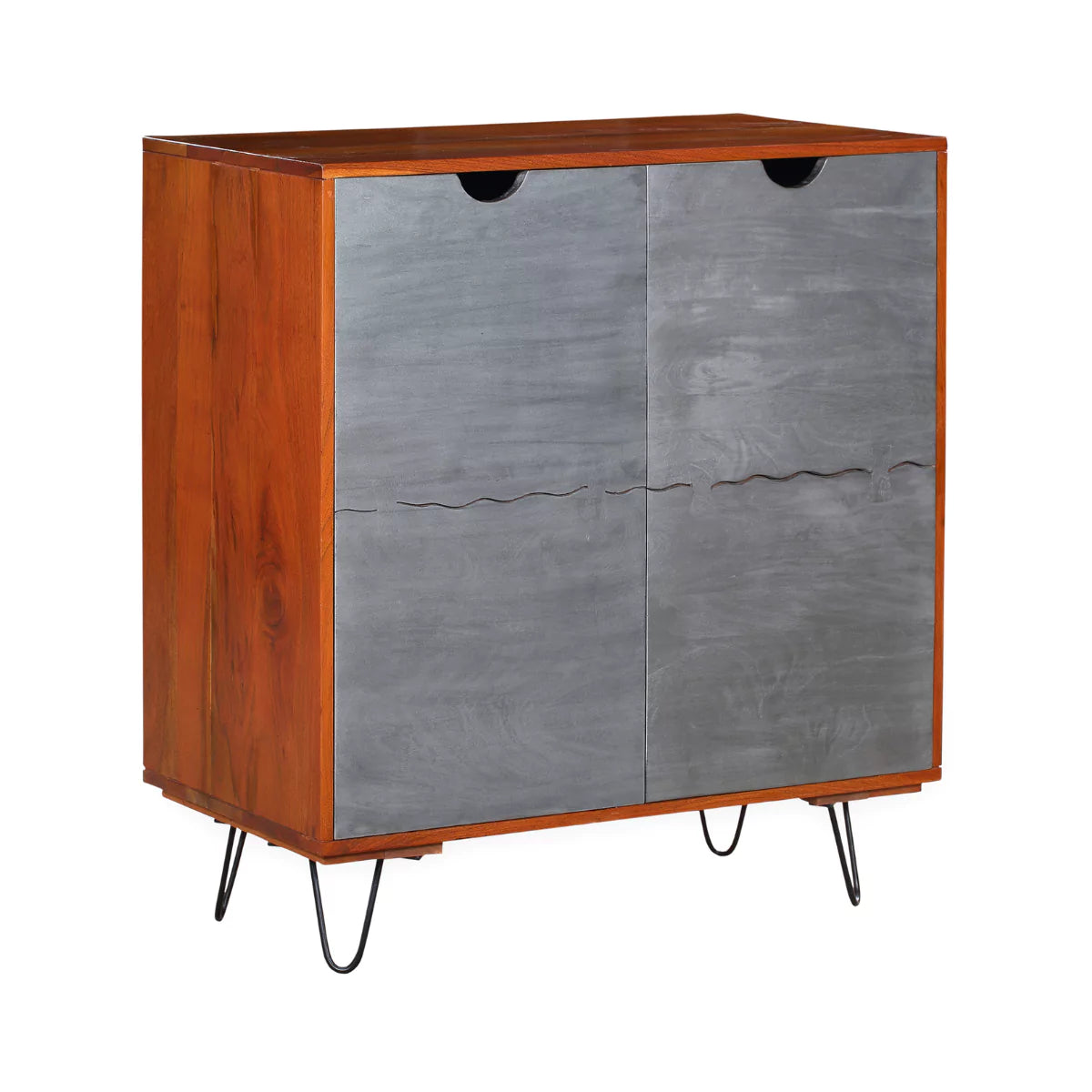
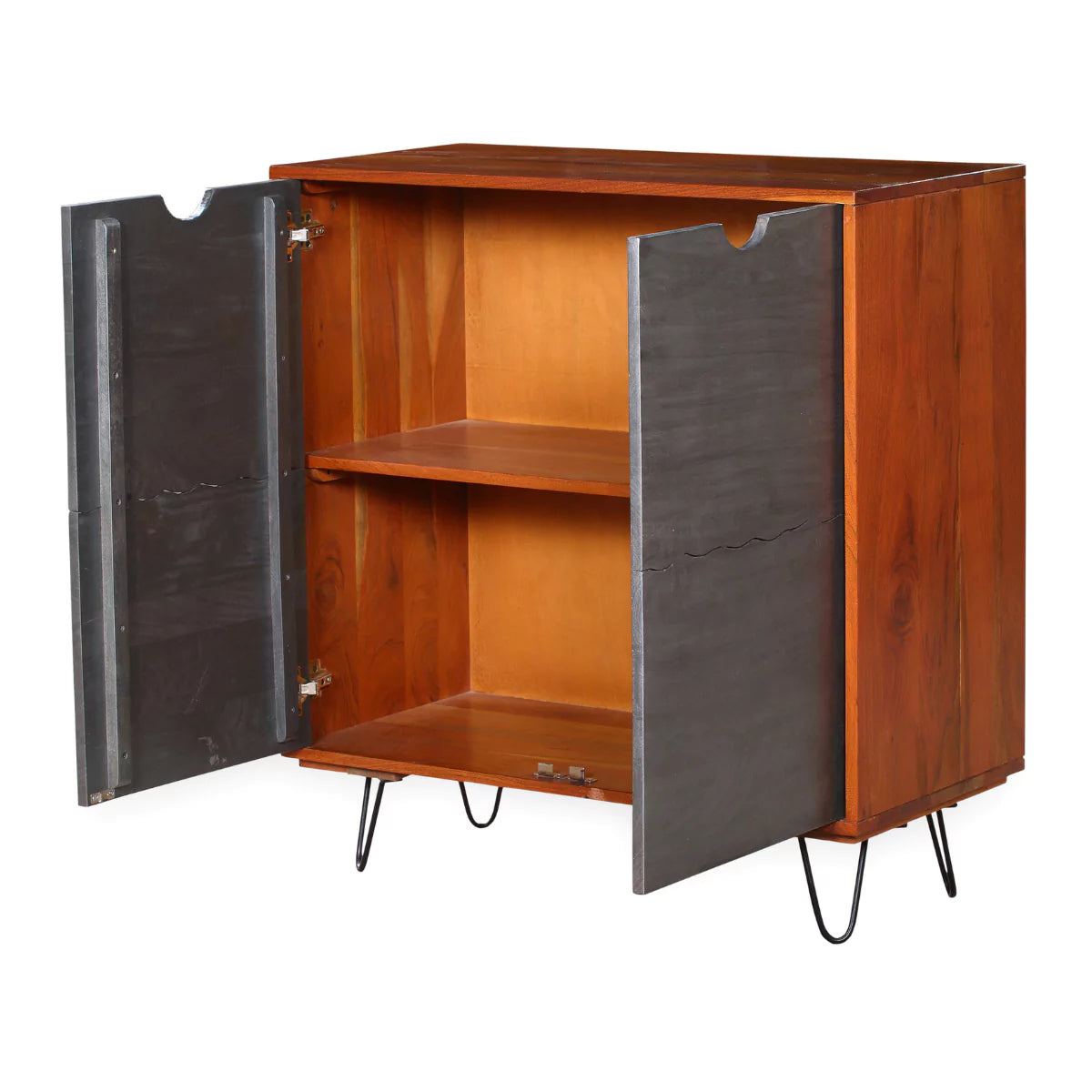
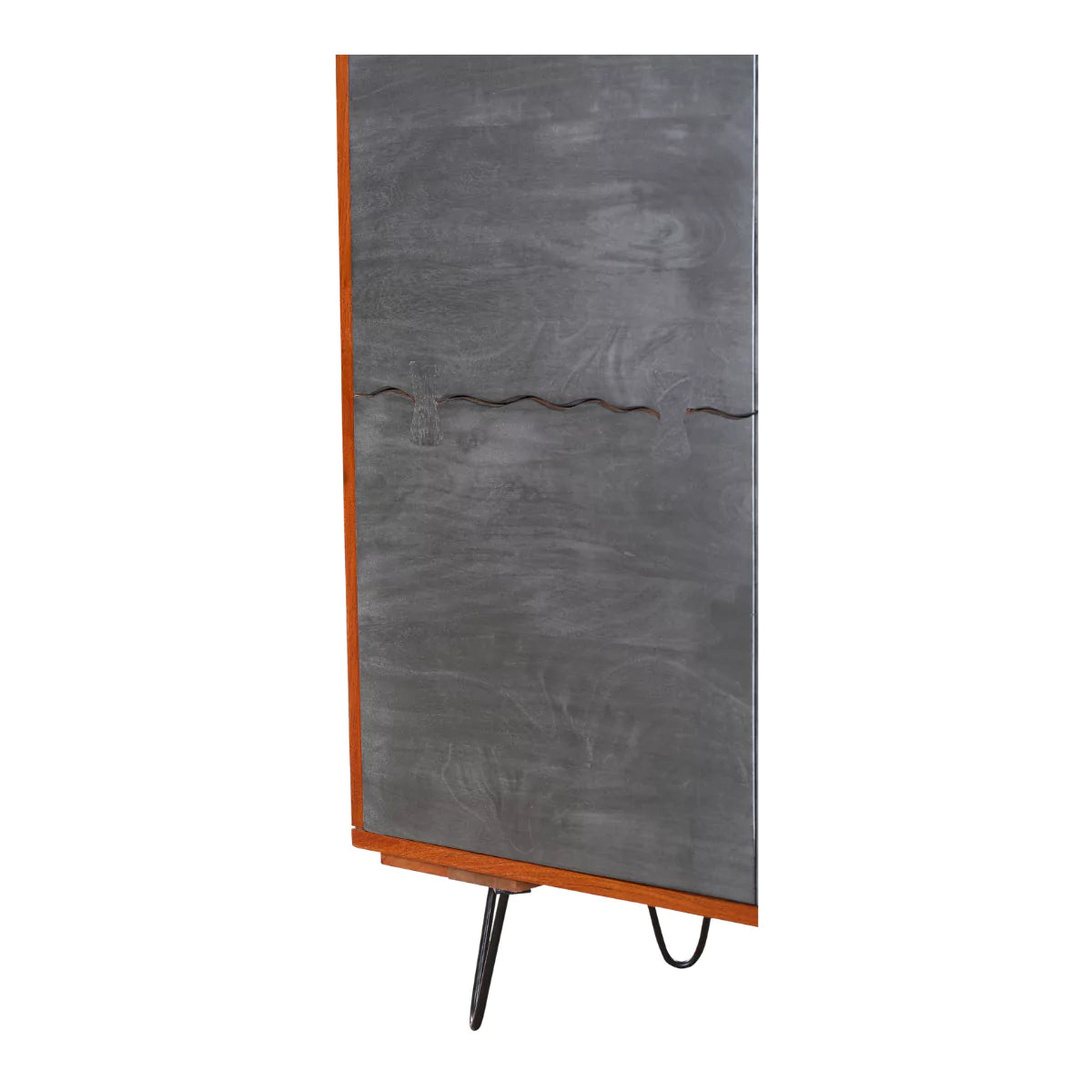
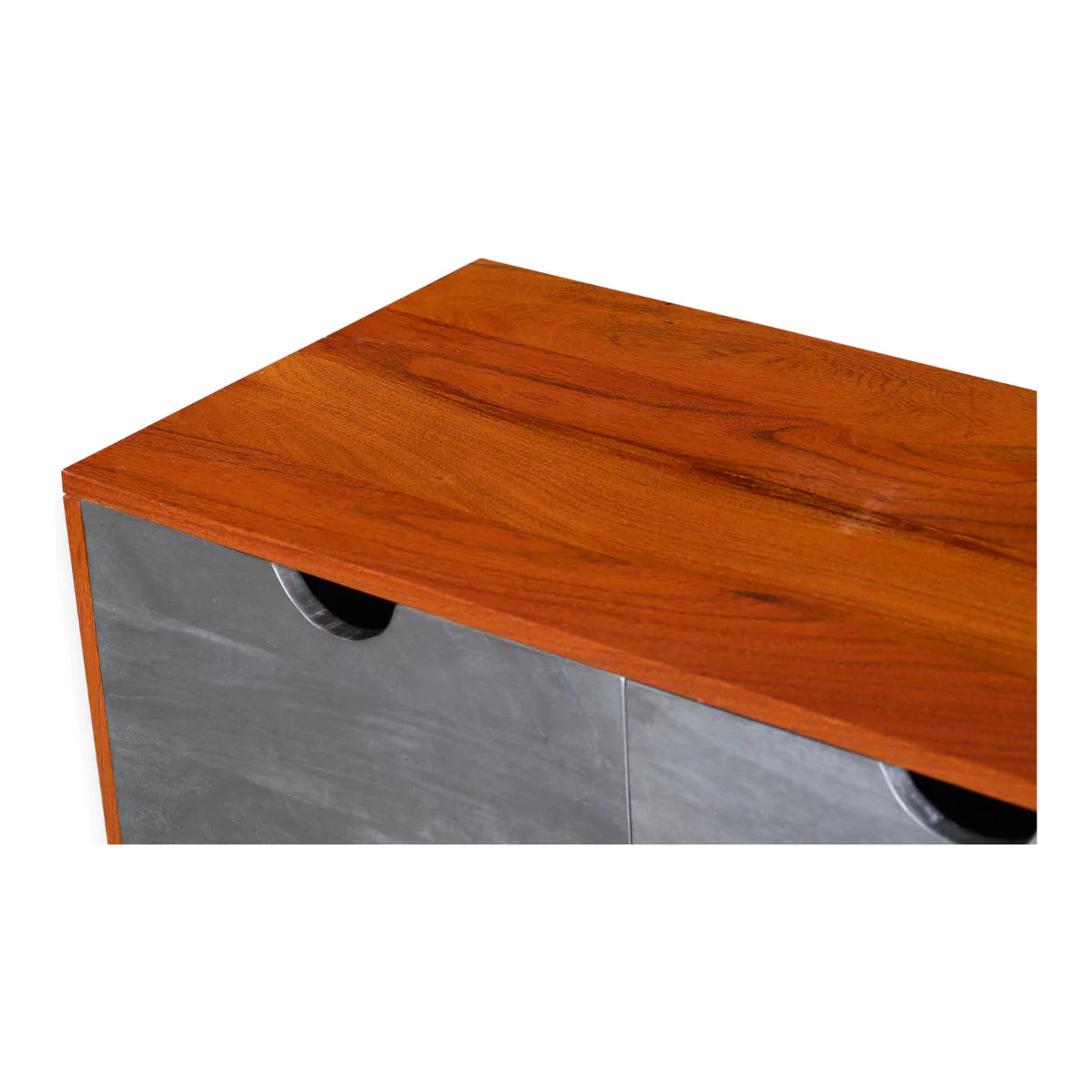
Vexlore 2 Door Small Sideboard Cabinet
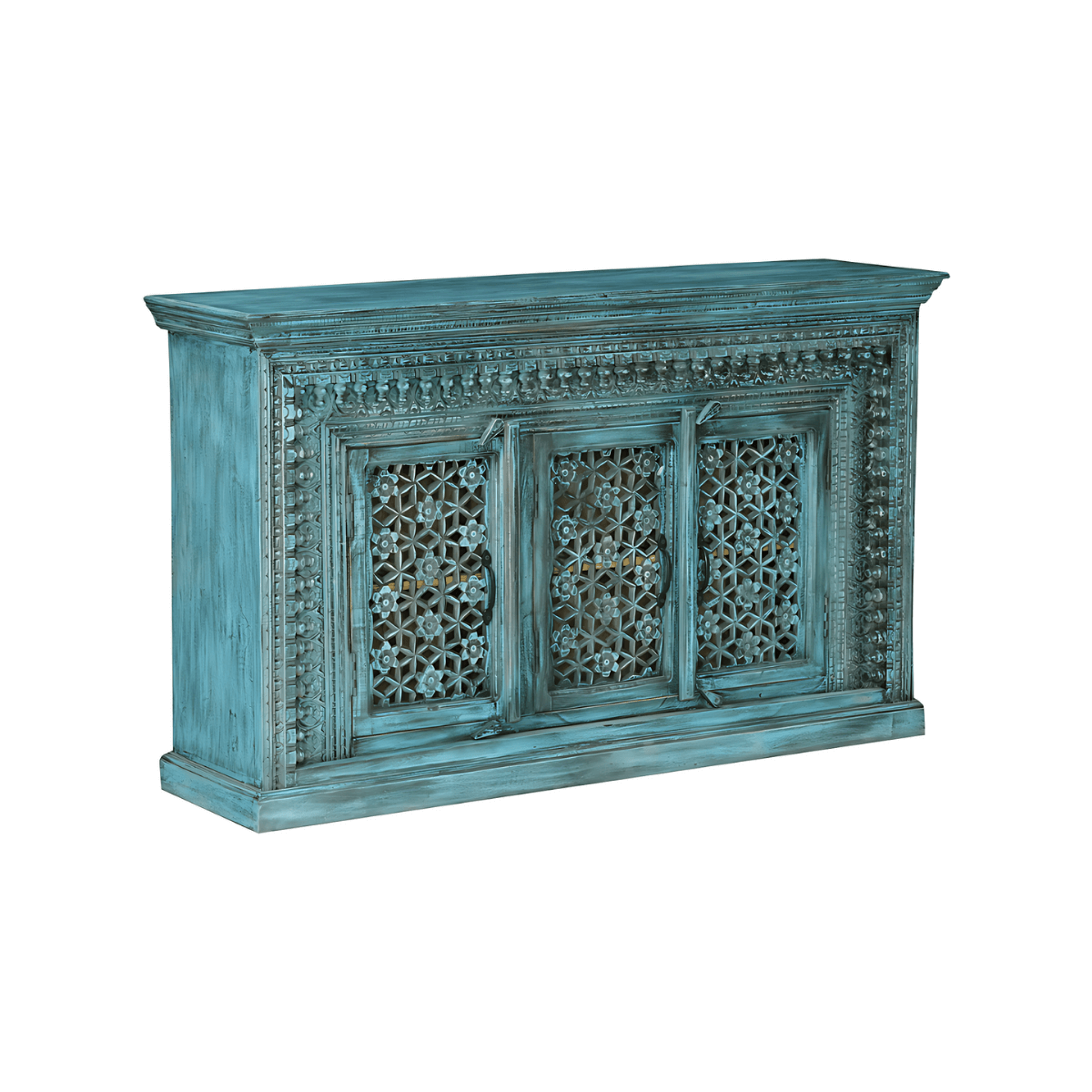
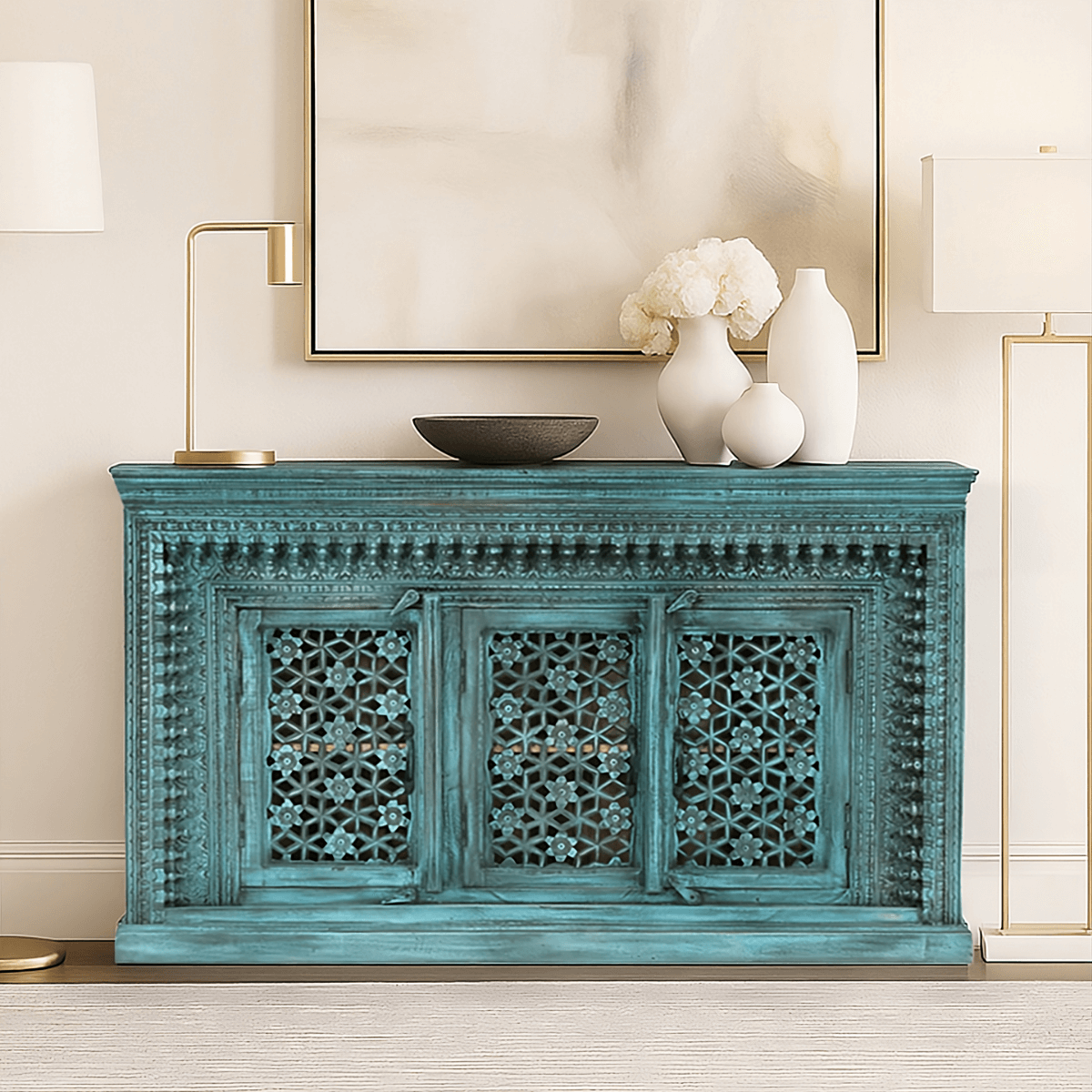
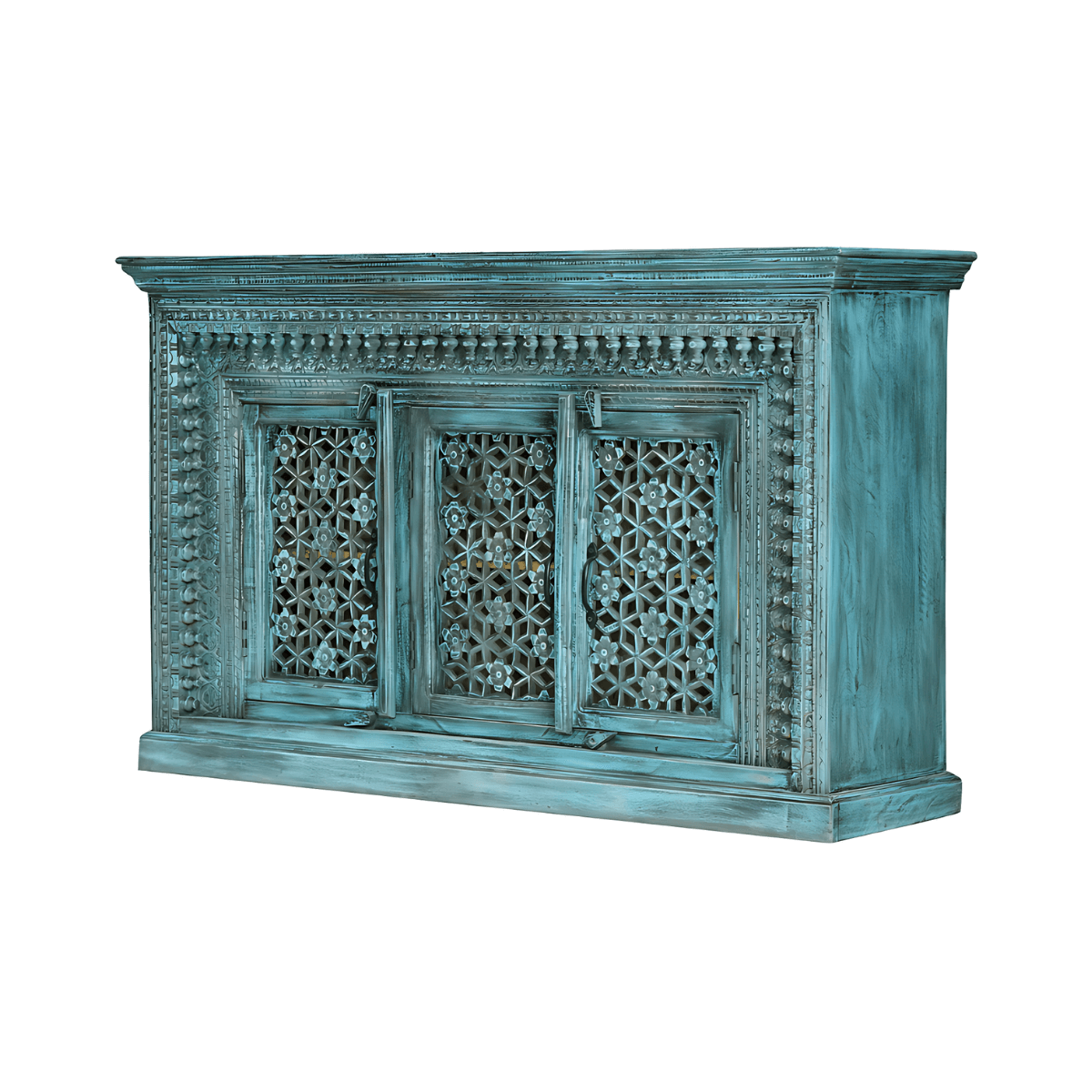
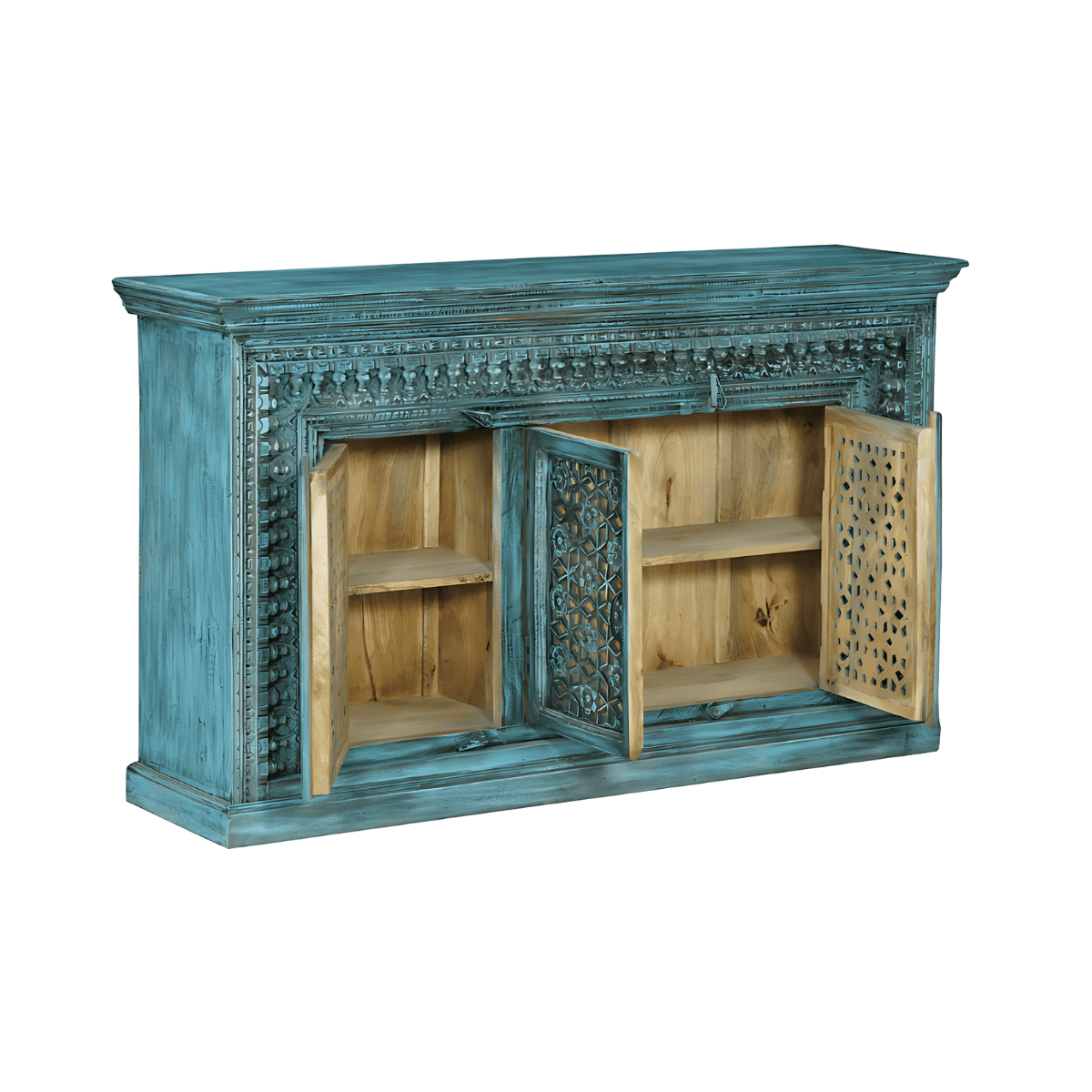
Manhattan Rustic Handcarved Sideboard
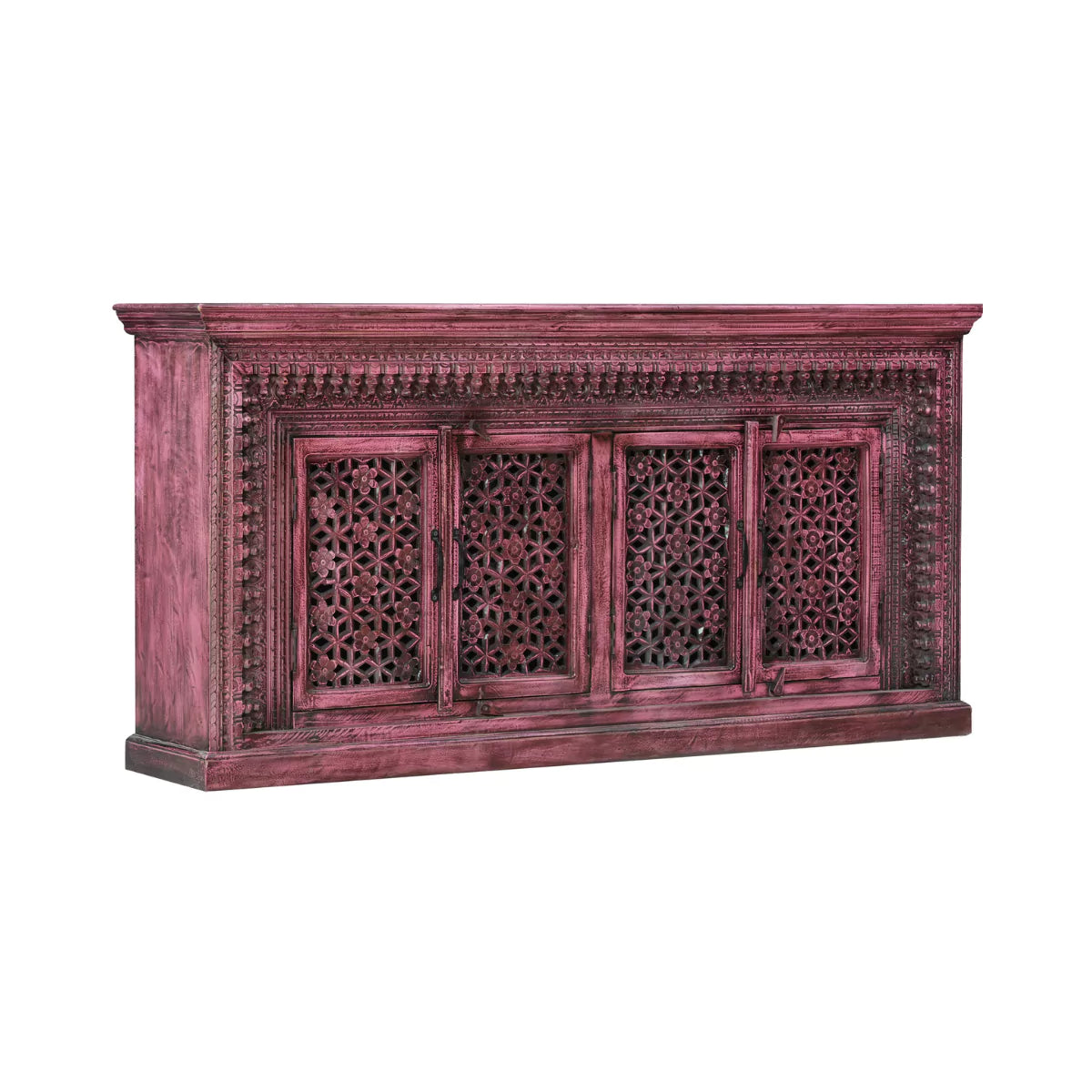
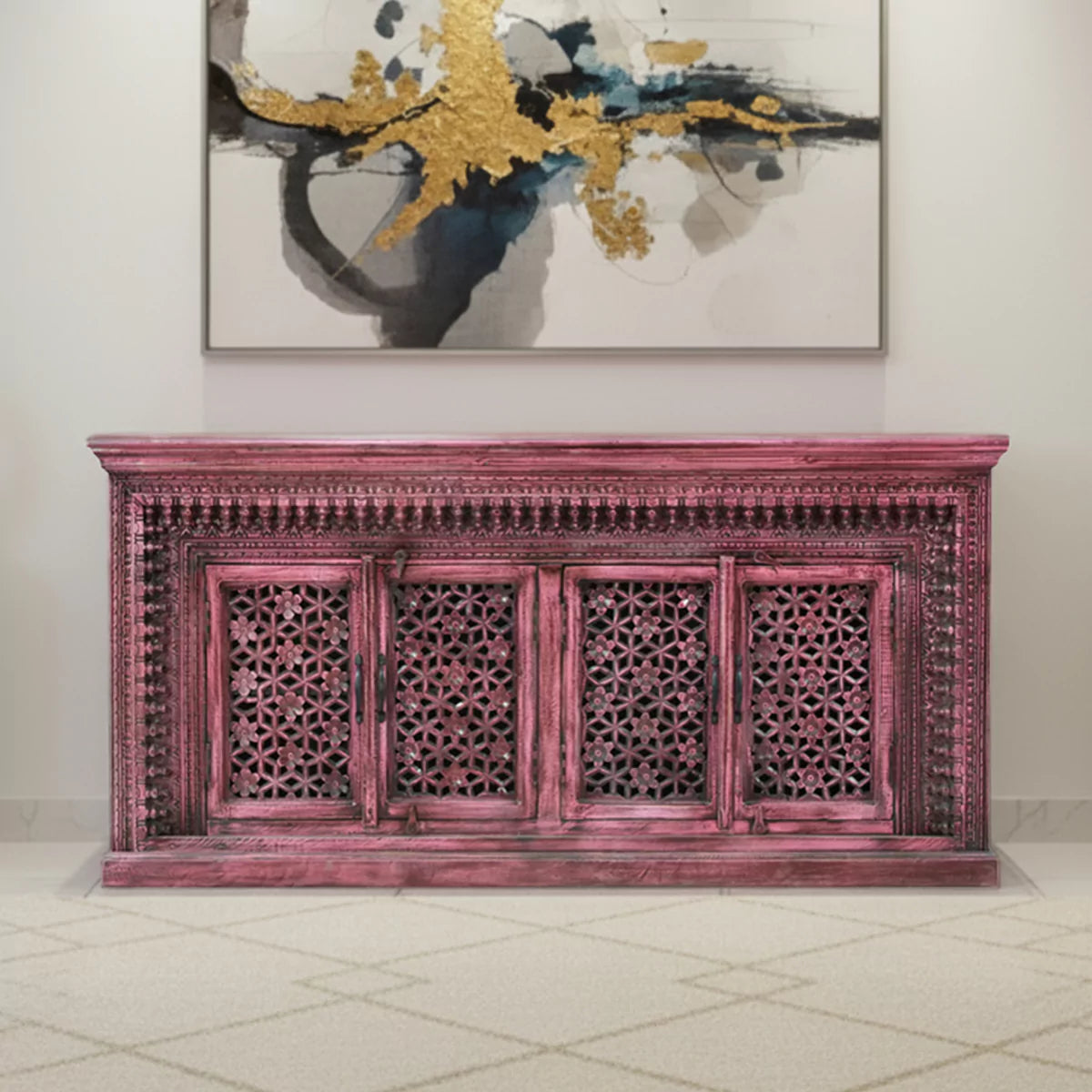
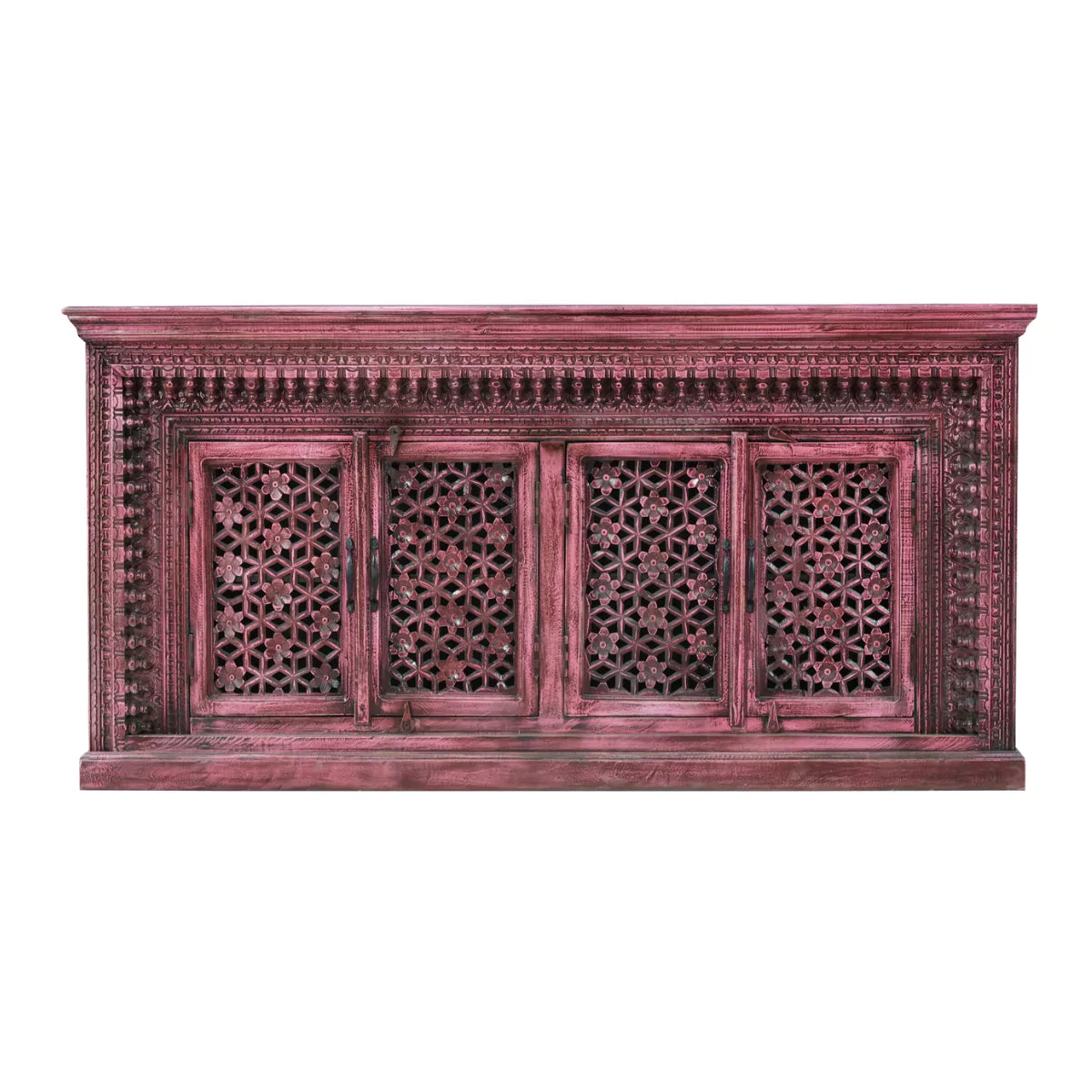
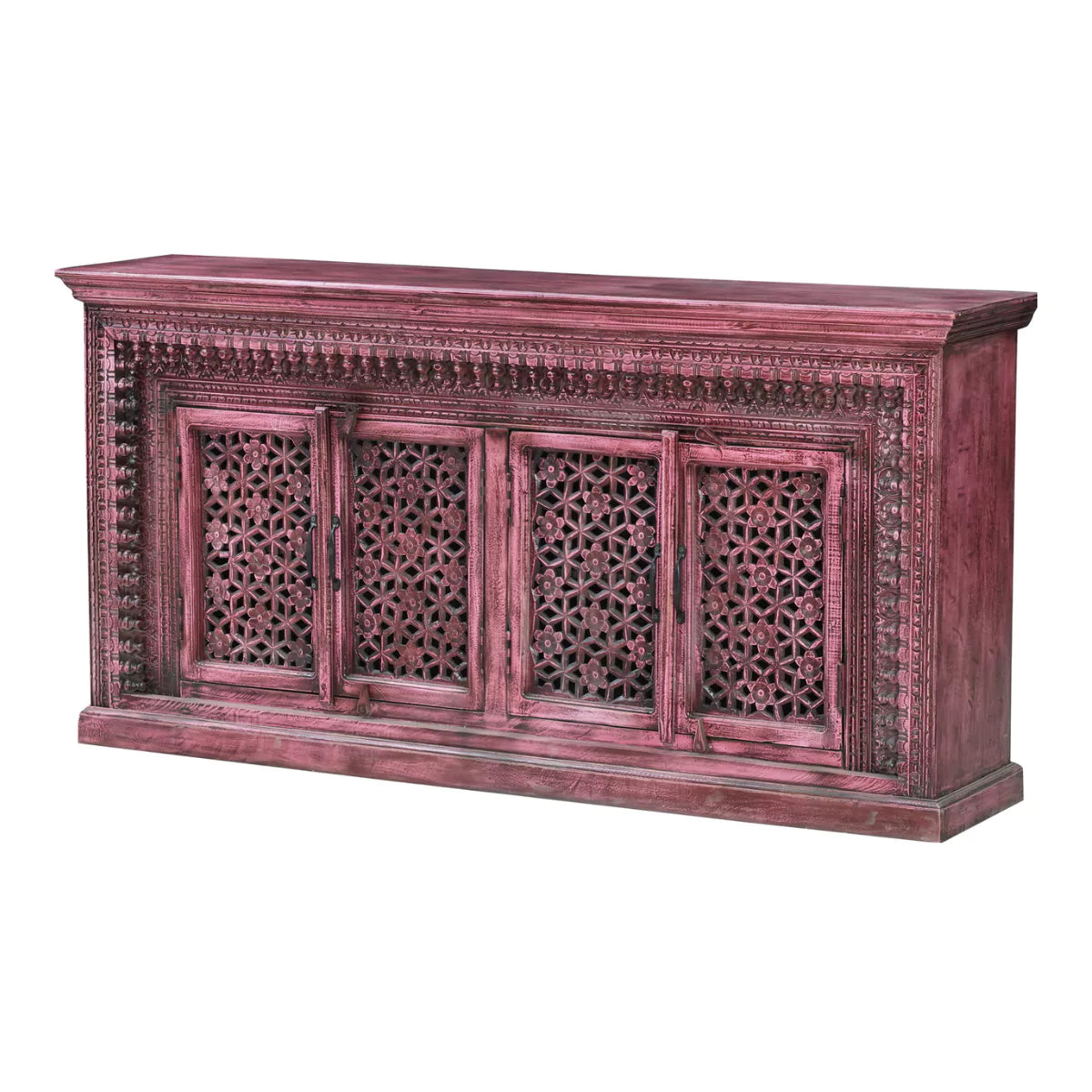
Yermo Vintage 4-Door Sideboard
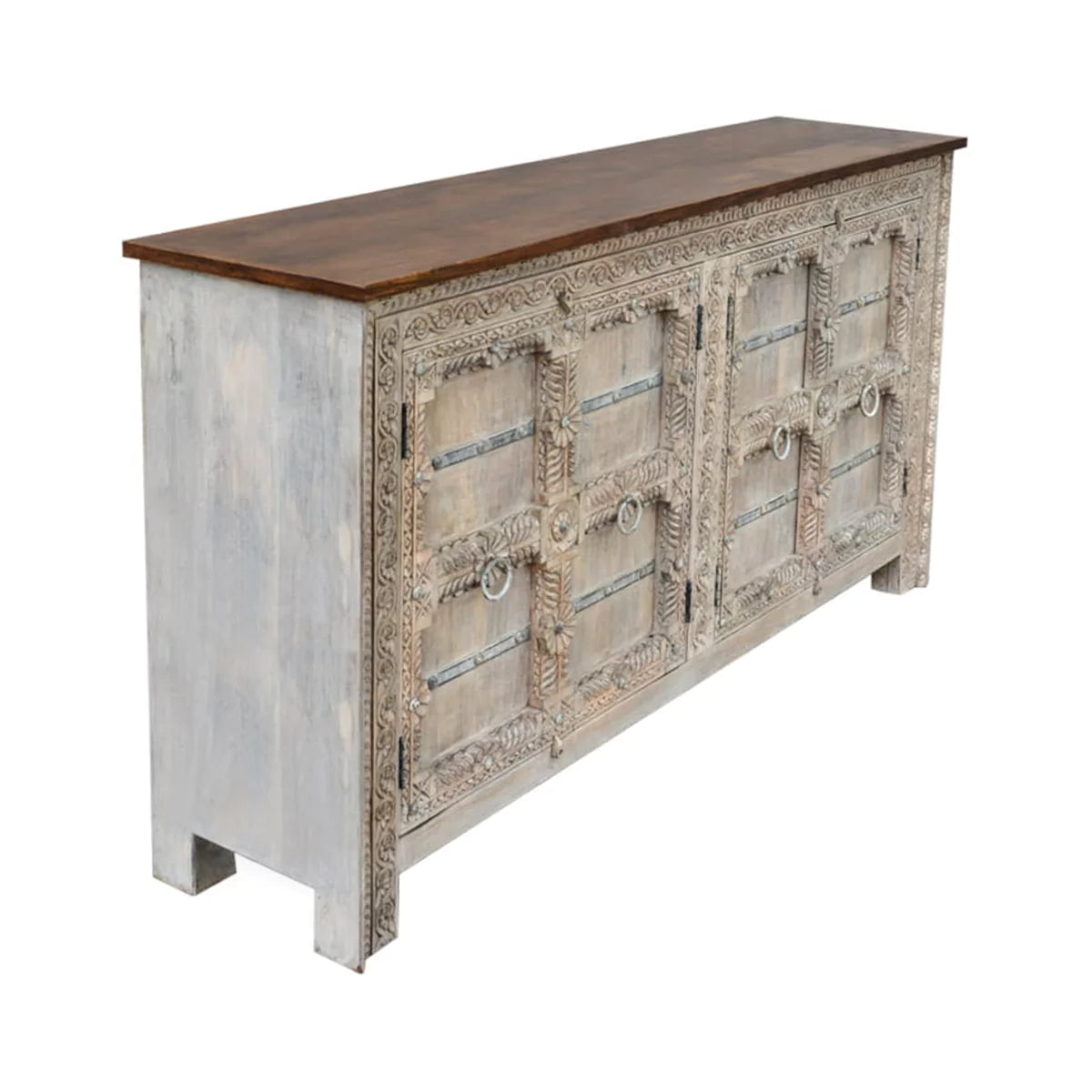
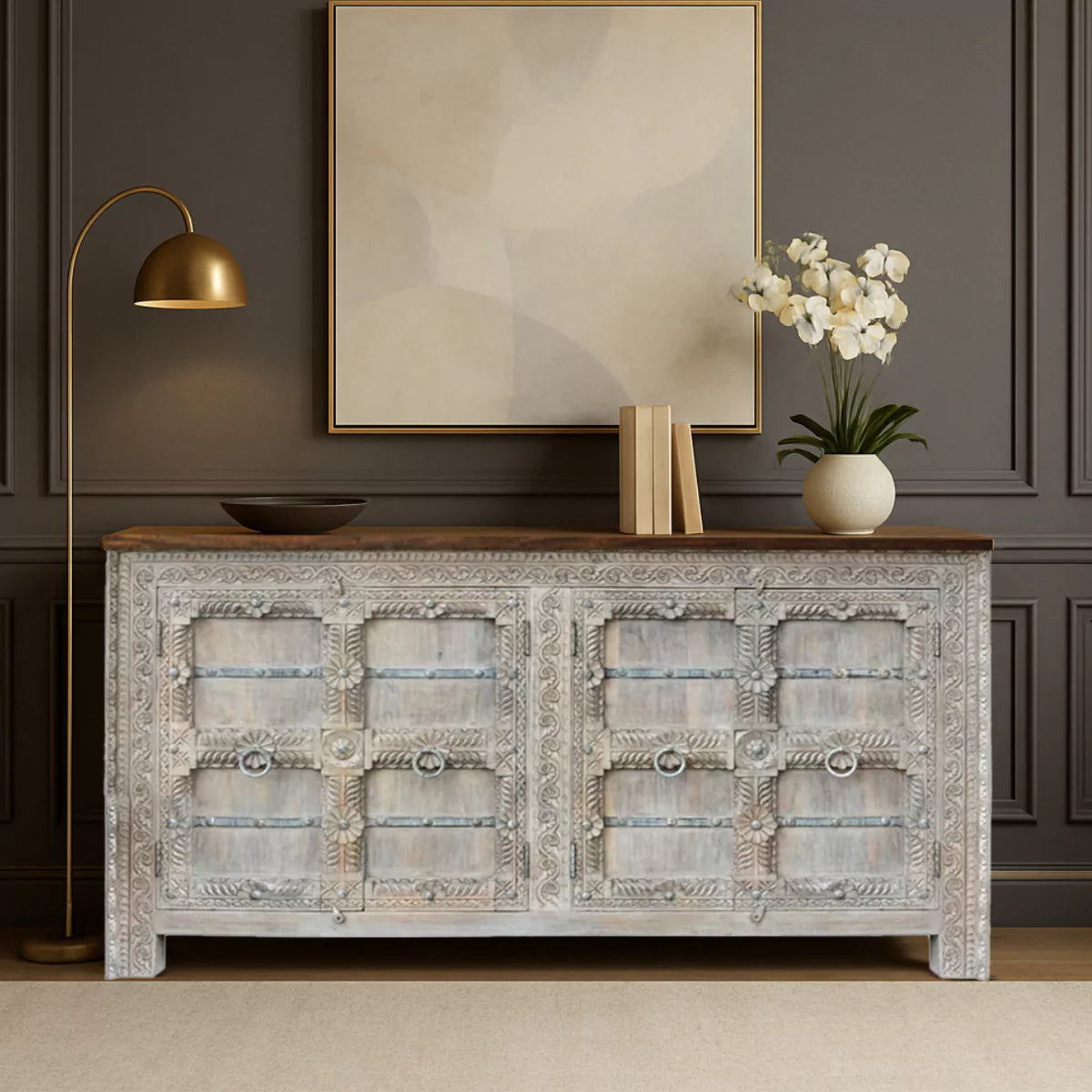
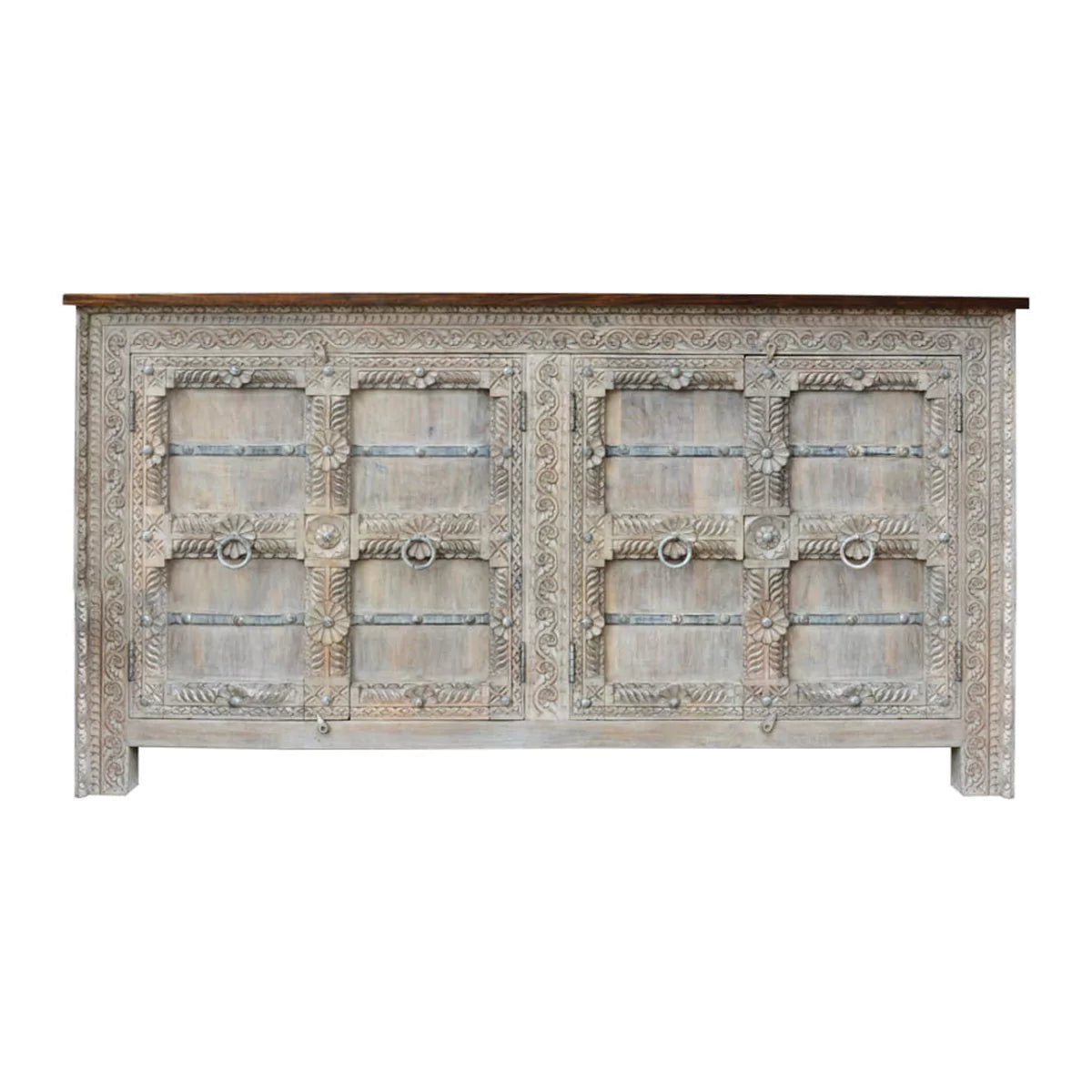
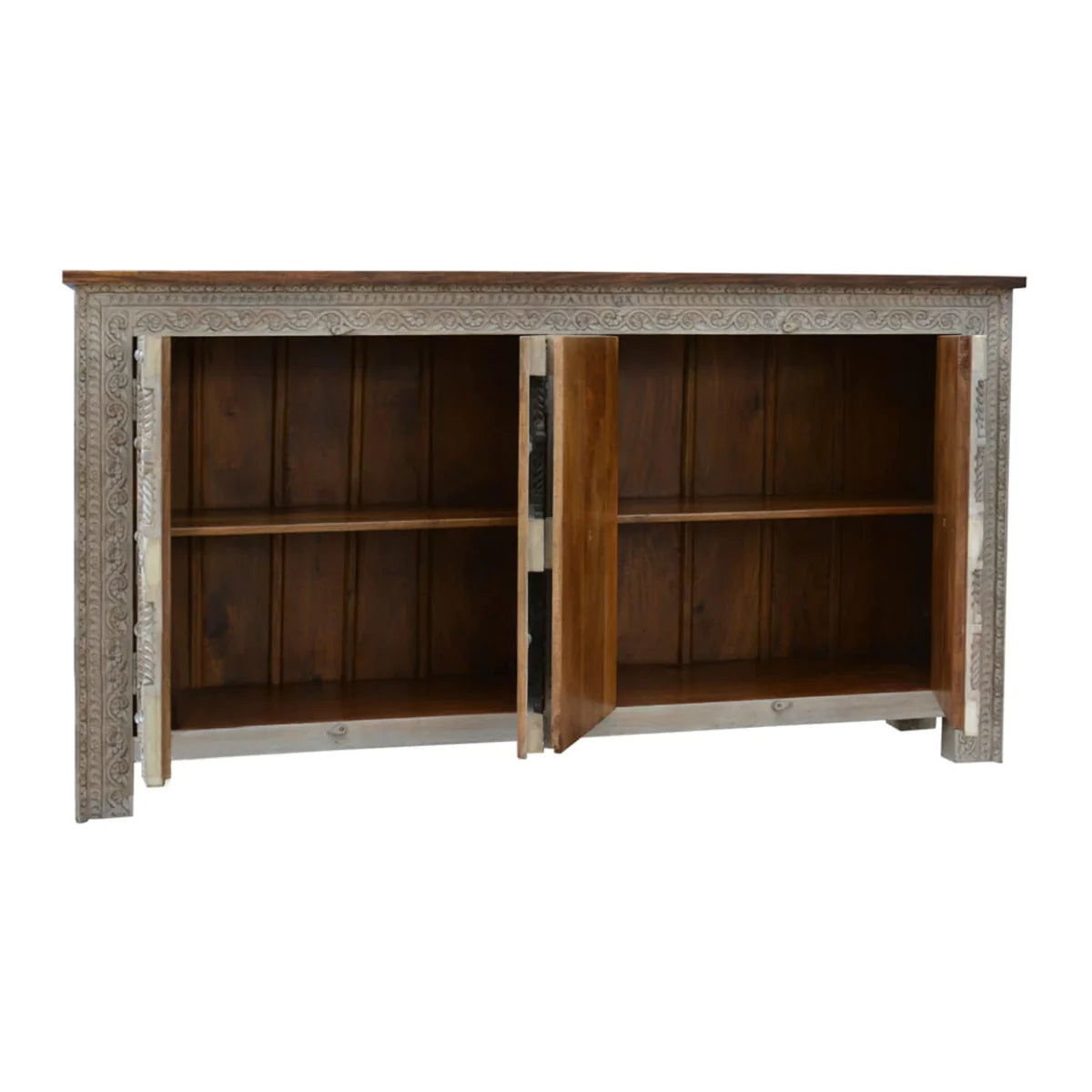
Wenona Hand-Carved Solid Wood Sideboard
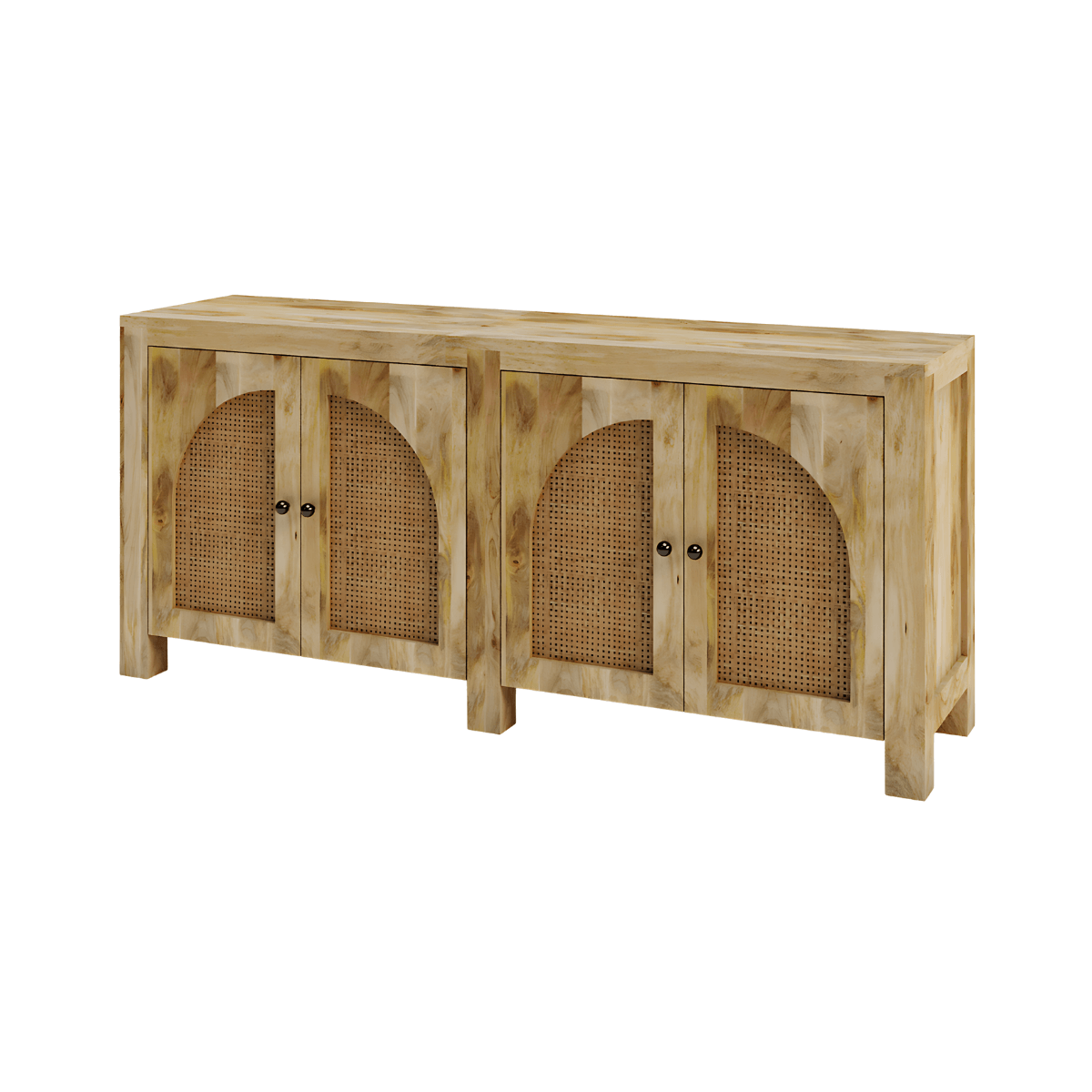
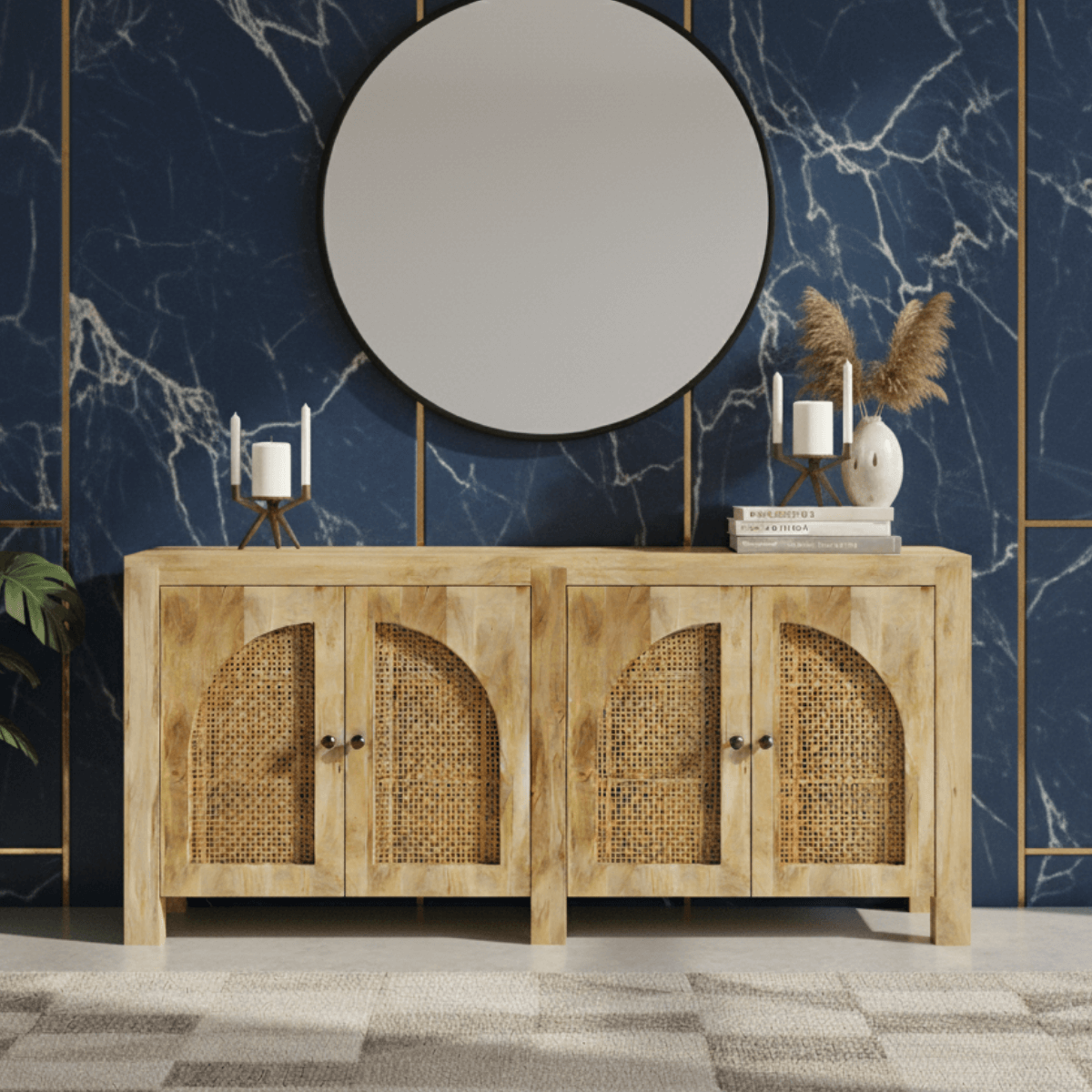
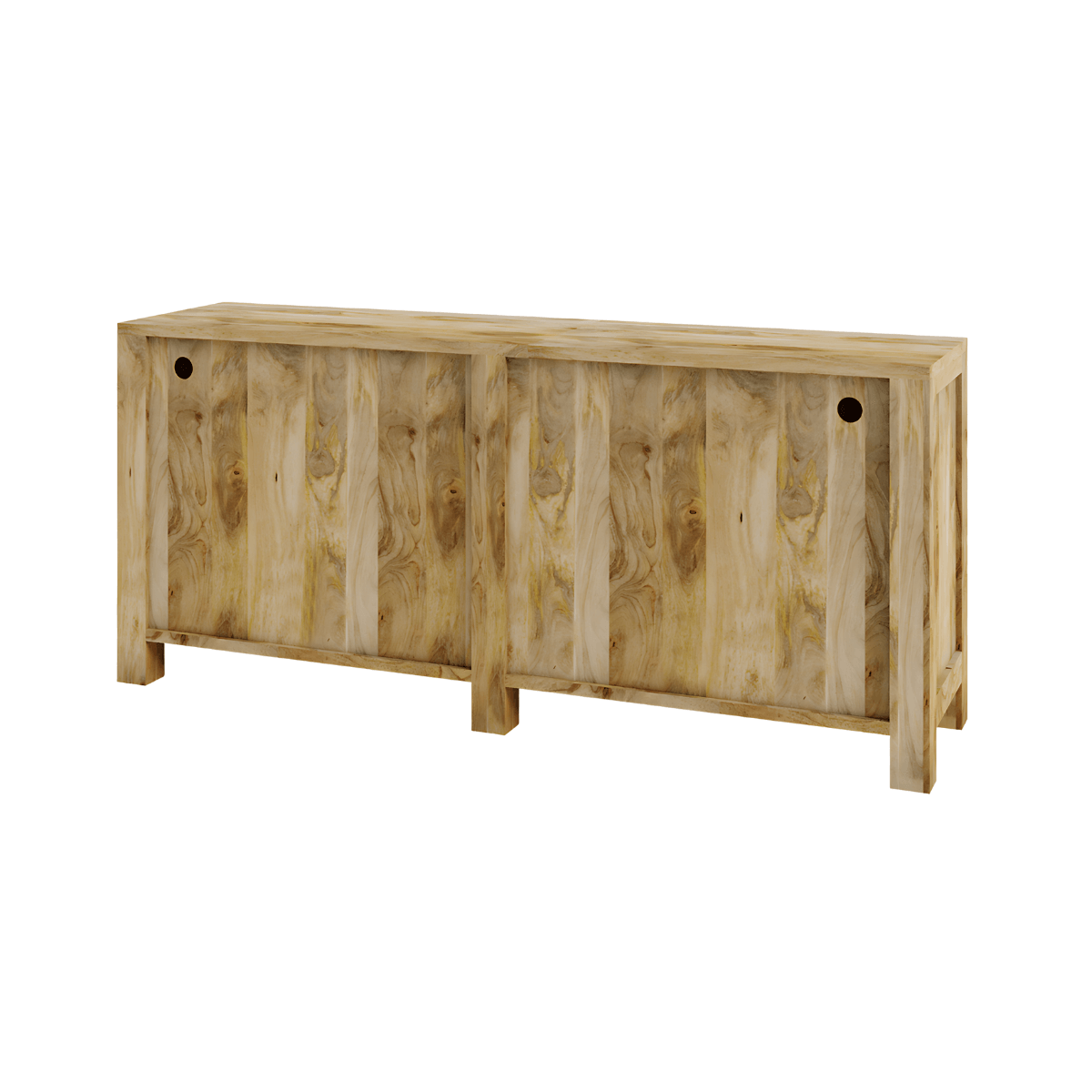
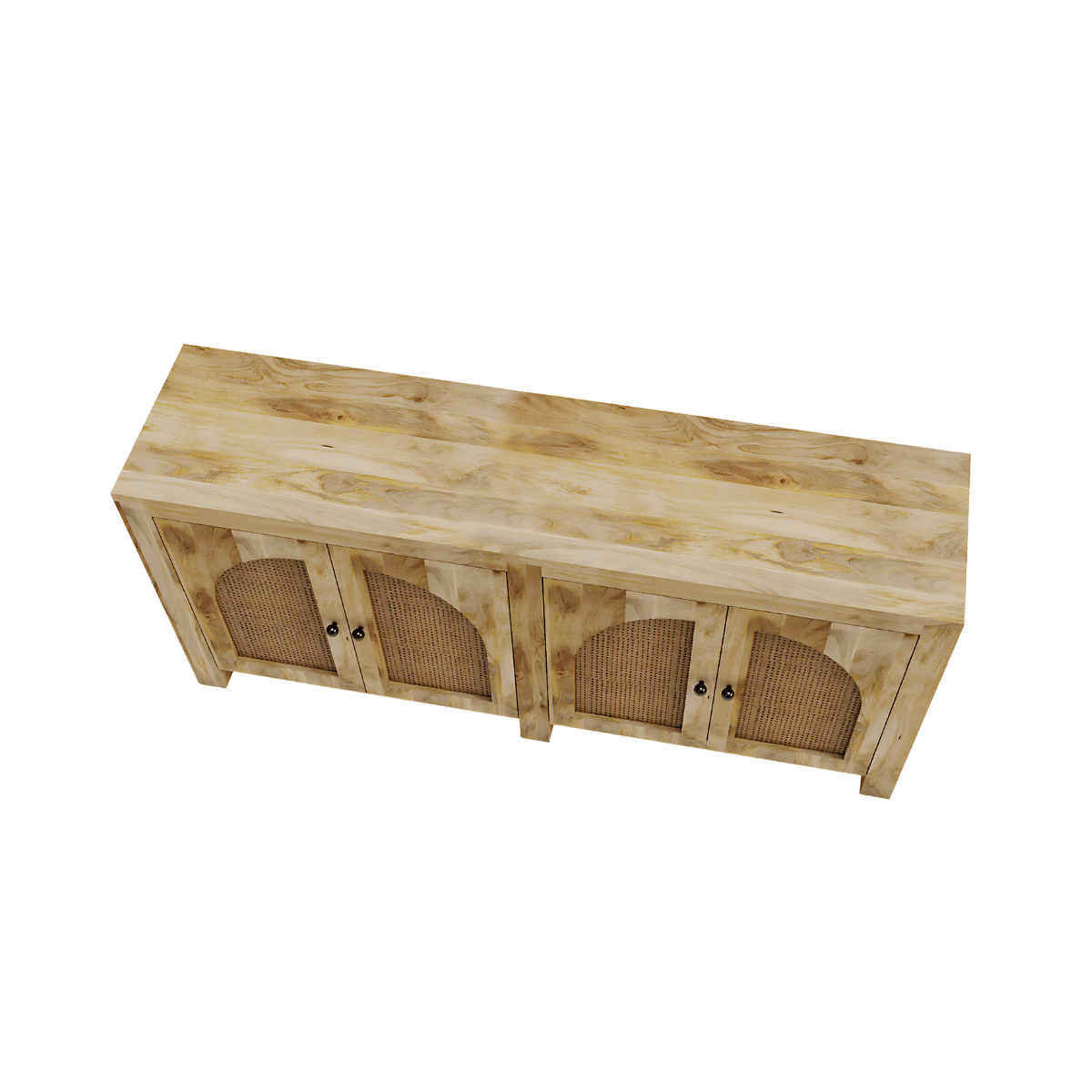
Aberdeen 4 Door Rattan Sideboard
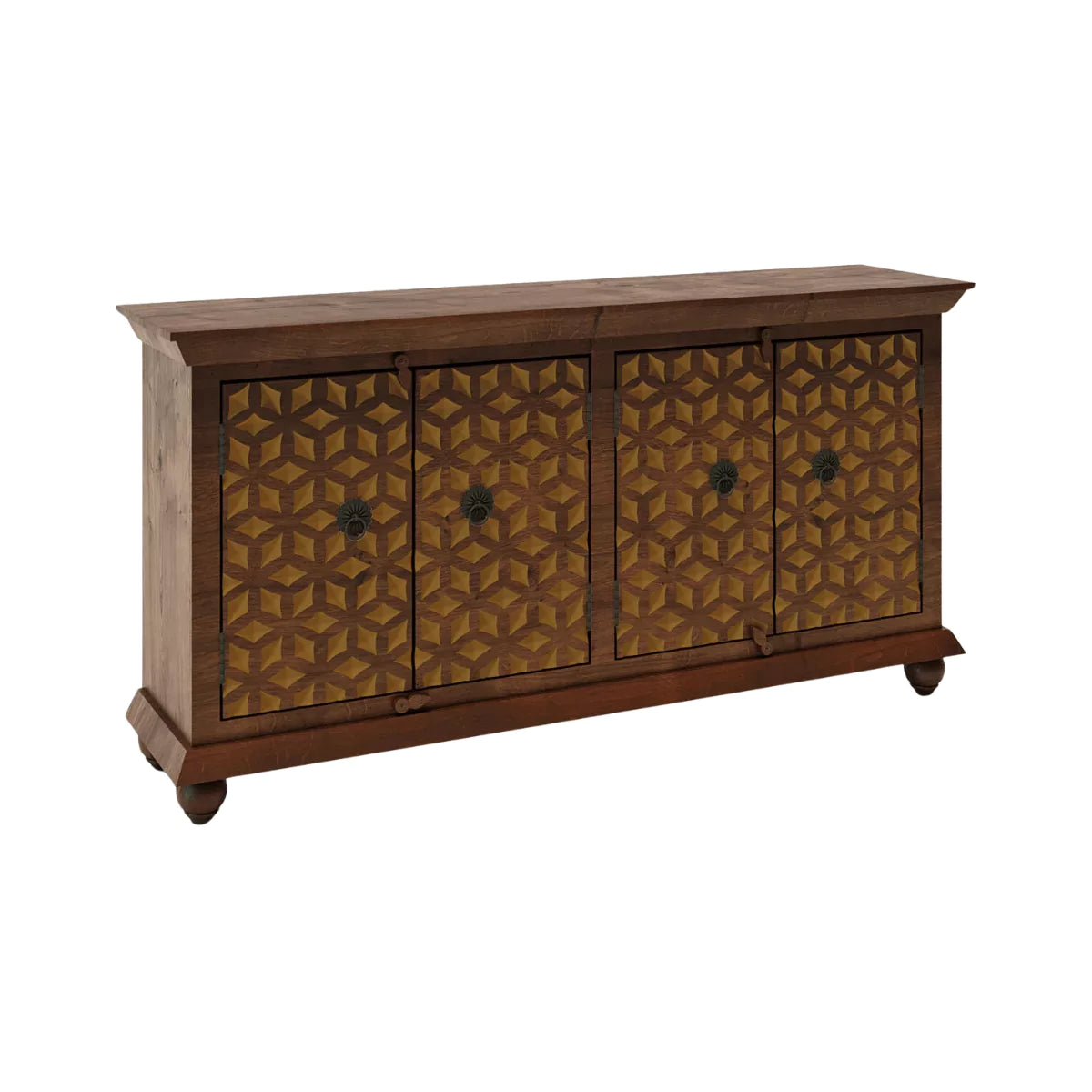
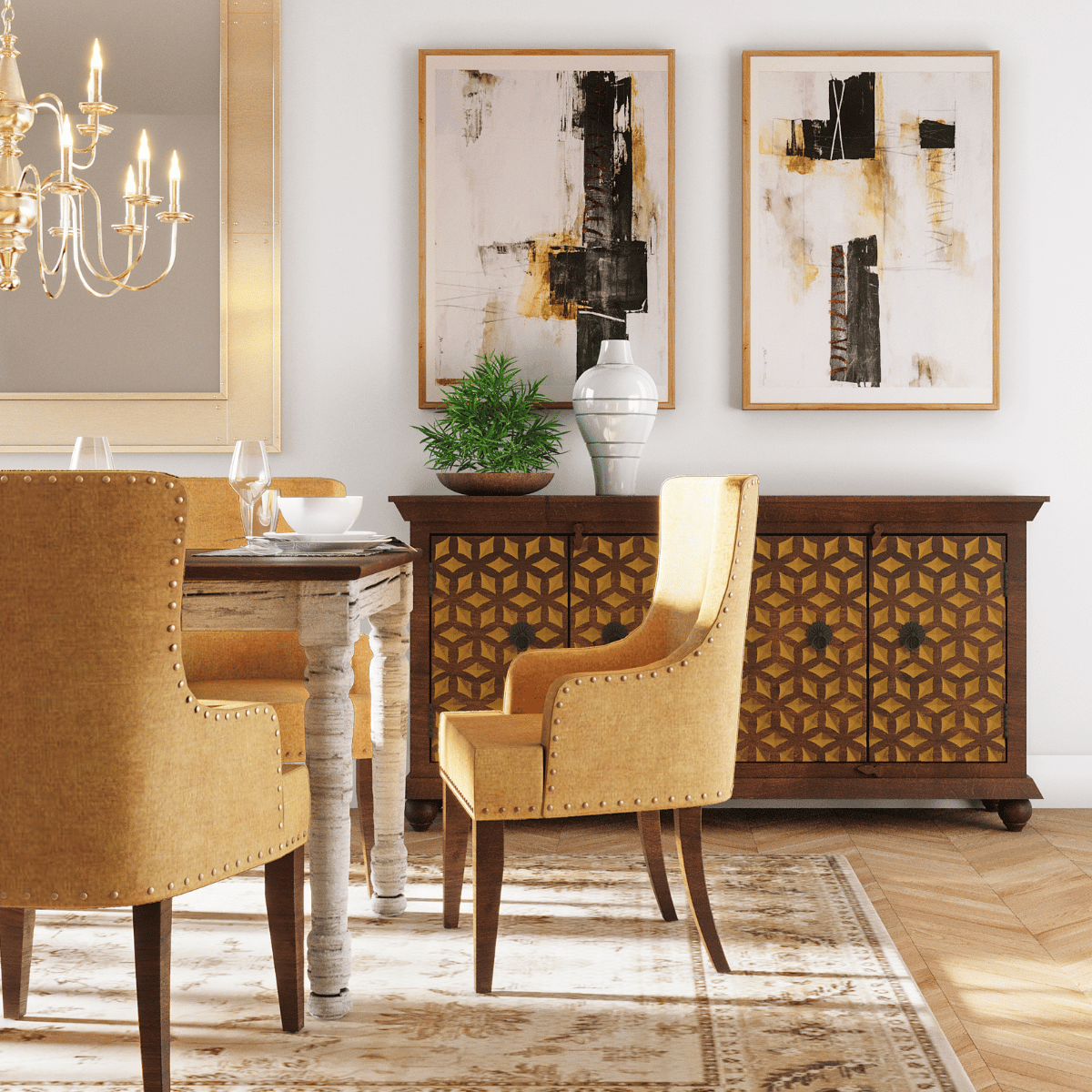
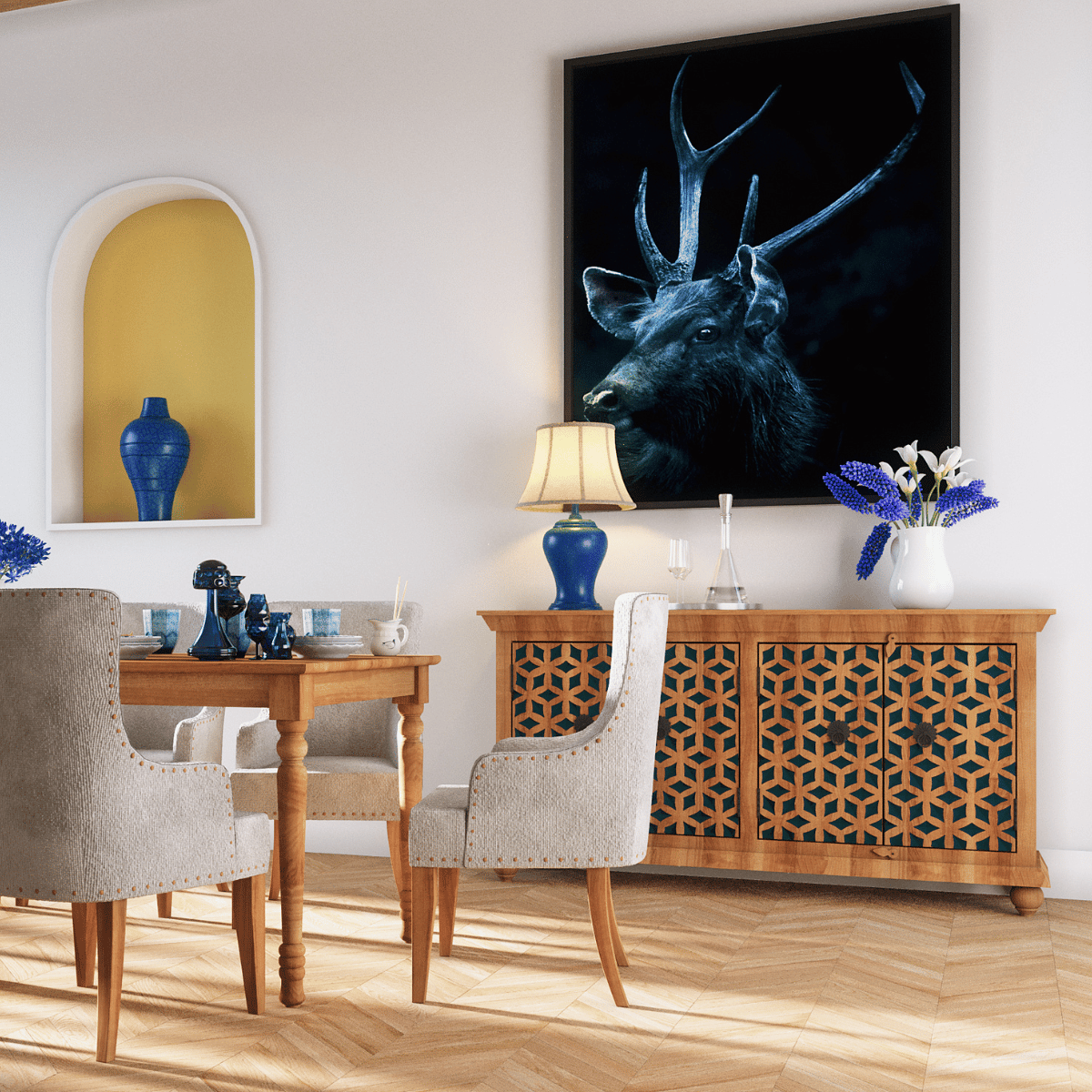
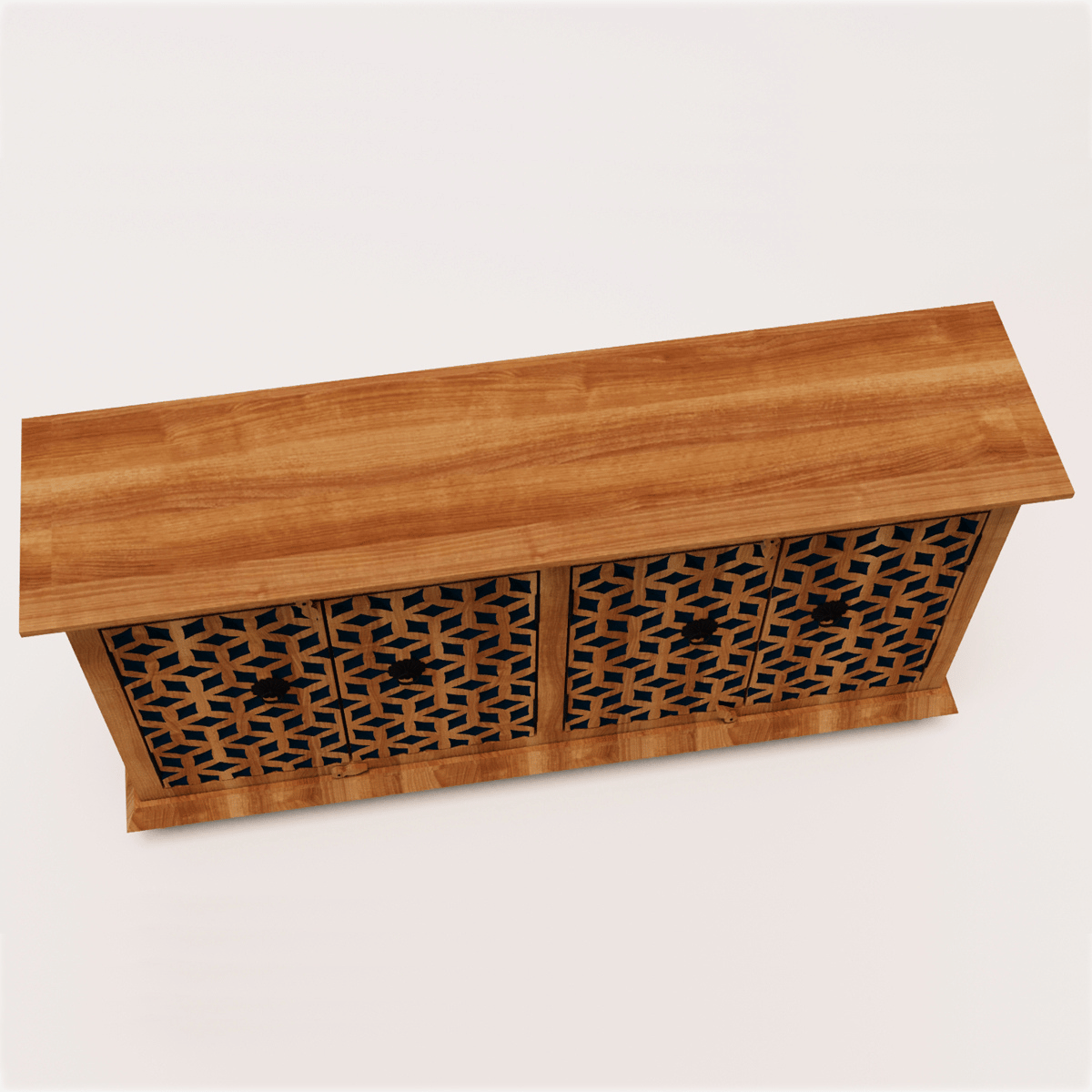
Vernado Rustic Wood 4-Door Sideboard
Buy Solid Wood Sideboards & Buffet Cabinets Online
Every sideboard in this collection is built from 100% solid hardwood - mango wood and solid acacia - with no MDF panels, no particleboard, and no veneer over an engineered core. These are not furniture that approximates solid wood construction; they are solid wood throughout, from the door panels to the drawer bases to the cabinet backs.
The collection spans 25 pieces across five style registers - modern, rustic, carved, traditional, and industrial - in sizes from compact 2-door cabinets to large 4-door buffets over 65 inches wide. Every piece ships free to the contiguous United States. Standard lead time is 6–8 weeks. Custom sizing and finish modifications are available on most models.
If you're building out a complete dining room, our solid wood dining tables are built to the same hardwood standard.
Solid Wood Buffet Cabinets for Dining Rooms
A buffet cabinet is a sideboard used specifically for dining room service - the storage piece you position against the wall nearest the table, where serving dishes are set out during a meal and dinnerware, linens, and glassware are stored between gatherings. The distinction between a sideboard and a buffet cabinet is primarily functional: a sideboard can serve almost any room, while a buffet cabinet is sized and positioned for active dining room use, with a top surface typically between 30 and 36 inches high for comfortable access while standing.
The large-format sideboards in this collection function equally well as dedicated dining room buffet cabinets. The Cirevana solid wood 4 door sideboard (69 inches wide, 4 doors, solid acacia) provides a continuous surface suitable for serving and display, with interior shelving sized for full-height dinnerware stacks and large serving platters. The Brookfield solid wood large sideboard (4 doors, solid mango wood, hand-carved panels) and the Yermo solid carved wood large sideboard (vintage 4-door, hand-carved) are both scaled for dining rooms with 8-seat tables or larger. Pair one of these pieces with a solid wood dining table from our dining room collection to complete the room.
All three feature soft-close hardware and adjustable interior shelving - practical details that make a genuine difference when the cabinet is in active daily use rather than decorative storage.
Solid Wood Sideboards by Style
The 25 pieces in this collection cover a wider range of design registers than most solid wood sideboard collections - from mid-century modern acacia frames with no visible hardware to hand-carved mango wood cabinets with distressed patinas and ornate surface detail. The style quick-links above let you navigate directly. The descriptions below cover what distinguishes each register and which products belong there.
Modern Solid Wood Sideboards
A modern solid wood sideboard is defined by the absence of applied decoration: no visible hardware, no carved surface detail, no ornate profile work. The design emphasis shifts entirely to material, proportion, and joinery. Clean horizontal lines, flat or subtly textured door fronts, and legs that lift the frame away from the floor are the hallmarks.
The modern pieces in this collection are built from solid acacia or solid mango wood with smooth, warm finishes rather than painted or lacquered surfaces. The Cirevana's handleless 4-door front and pillar-style legs represent the register at its most restrained - a piece that reads as architectural rather than decorative. The Mirevana and Crestora introduce a two-tone material treatment, pairing contrasting wood tones across door and drawer fronts for visual depth without surface carving. The Drevora's 3-door layout and the Vexlore's clean cabinet form complete the modern range.
These pieces work in open-plan dining and living spaces where the sideboard is visible from multiple angles and the visual weight of the furniture needs to stay light.
Rustic & Carved Wood Sideboards
A hand-carved solid wood sideboard is built differently from the start. The carving is executed on solid mango wood components before assembly - individual door panels, drawer fronts, and headrail sections are shaped by hand, then joined into the finished piece. What results is surface detail that has structural depth rather than surface application: the carving is part of the wood, not applied to it.
The carving vocabulary across this section spans two registers. The Manhattan, Taos, Brookfield, and Vernado use floral, foliate, and architectural motifs carved into full door panels - detailed enough to function as a visual focal point in a dining room or living room without additional decoration. The Yermo, Wenona, and Orvencia carry carving selectively, using border detail and panel relief to add surface dimension while maintaining a more grounded overall form.
Finishes in this group include brown distressed, dark brown, light brown, turquoise distressed, and grey distressed - all surface treatments applied over kiln-dried solid mango wood. The distressing process is worked into the carved recesses, which gives the finished surface more visual depth than a flat-finished frame carries.
These pieces are most naturally placed in dining rooms, living rooms, and entryways where the design intent is material warmth and handcraft presence rather than minimalism.
For the full carved and rustic collection, including additional finishes and configurations, browse our dedicated rustic solid wood sideboards collection.
Traditional Solid Wood Sideboards
A traditional solid wood sideboard is characterized by structured symmetry: raised or flat panel doors, defined aprons, turned or tapered legs, and proportions that read as formal without being heavy. The surface detail is architectural rather than decorative - the panel geometry does the visual work instead of carving or applied ornamentation.
The Evorence represents this register in the Oak and Loom collection. Built from solid hardwood in a panel-door configuration, it brings definition and permanence to dining rooms where the furniture is expected to anchor the space rather than accent it. It pairs naturally with rooms that already carry material depth - hardwood floors, crown molding, wainscoting - and with solid wood dining tables where matched joinery construction creates visual continuity across the room.
Industrial Style Sideboards
An industrial-style sideboard pairs solid wood construction with metal framing or hardware - warm material against cold, organic grain against machined finish. The result is a piece that reads as utilitarian and considered at the same time, suited to spaces where exposed brick, concrete, or raw finishes are already part of the room.
The Ovela pairs solid wood panels with a grey finish, giving it a subdued, matte presence that reads as industrial without being heavy. The Briventa uses a black powder-coated metal frame against solid wood panels, with the frame itself forming part of the visible structure of the piece rather than being hidden behind a wood exterior. Both are smaller in scale than the large carved sideboards in this collection, making them practical choices for dining rooms and living rooms where the space doesn't support a full-width statement piece.
Small Sideboard Cabinets
A small sideboard cabinet - typically between 35 and 52 inches wide - serves the same storage and surface functions as a full-width piece but fits rooms where a long run of furniture would crowd the space or block circulation.
Six pieces in this collection sit in the compact range. The Vexlore 2-Door (the smallest in the collection, starting at $1,260) is a clean-lined 2-door cabinet suited to apartments, narrow dining rooms, or entryways where a full-width piece would overwhelm the proportions. The Orvencia Small, Tonalea, Tarnell, Prescott, and Calaveras are all hand-carved small sideboards - each under 55 inches wide - in varying distressed finishes: brown, turquoise, grey, and white. The Calaveras follows a traditional panel-door form; the Tonalea and Prescott lean toward bohemian and rustic styling through their carved surface detail and colored distressed finishes.
Compact sideboards with smaller footprints also work well in living rooms as side storage, in home offices as credenza-style cabinet storage, and in hallways where a narrow sideboard provides landing surface and concealed storage without narrowing the passage.
Every piece in this group ships free to the contiguous United States with the same solid mango wood construction applied across the full collection.
The Hardwoods We Build With
The sideboards in this collection are built from two primary species: solid mango wood and solid acacia. Both are furniture-grade tropical hardwoods selected for grain density, surface hardness, and the stability they maintain after kiln-drying. Neither is a species compromise - both carry grain character and structural performance comparable to the North American hardwoods used in high-end American cabinetry.
Solid Mango Wood
Mango wood is a dense, tight-grained hardwood with natural grain figuring that ranges from straight runs to interlocked patterns, depending on the section of the tree. Its surface hardness makes it well-suited to pieces that take regular contact - drawer glides, door frames, and cabinet surfaces that see daily use. It responds consistently to hand-carved detail, holding crisp edges rather than splintering or softening under tool pressure.
The carved sideboards in this collection - the Manhattan, Brookfield, Yermo, Wenona, Vernado, and the smaller carved pieces - are all built from kiln-dried solid mango wood. The kiln-drying process brings moisture content down before fabrication, which reduces the risk of seasonal movement after delivery and keeps joinery connections tight over time.
Solid Acacia Wood
Acacia is one of the denser hardwoods used in residential furniture production. Its natural grain varies significantly across boards - some sections run straight and even, others carry pronounced figuring - which means pieces built from solid acacia have visible character differences between panels and components. The honey-teak finishes used across the modern sideboards in this collection - the Cirevana, Drevora, and related pieces - are matched to acacia's natural warm undertone rather than imposed over it.
Like the mango wood pieces, all acacia components are kiln-dried before fabrication and built to the same joinery standard: mortise and tenon at the structural connection points, reinforced cabinet frames, and soft-close hardware on doors and drawers.
What to Know Before Buying a Solid Wood Sideboard
Sideboard, Buffet Cabinet, or Credenza - Which Do You Need?
A sideboard is a low storage cabinet placed against a wall, most commonly used in dining rooms and living rooms. It typically stands between 30 and 36 inches tall, with a surface suitable for display or serving. The term is used broadly and overlaps significantly with both buffet and credenza in modern retail usage.
A buffet cabinet is a sideboard used specifically in a dining room for serving food and storing dining essentials. It is typically similar in height to a sideboard (30–36 inches) and positioned near the dining table. The distinction is functional rather than structural - the same piece can serve as either, depending on where it is placed and how it is used.
A credenza is a lower, longer storage cabinet - typically 20 to 32 inches tall - originally used in offices and now commonly used as a media console or low display cabinet in living rooms. Its defining characteristic is a lower profile and often a plinth or short-leg base. In everyday retail usage, the three terms are frequently interchangeable, and the piece you choose should be determined by its intended room placement and the surface height that works for your use.
What Size Sideboard Fits Your Space?
Sideboard sizing involves three measurements: width relative to the wall and dining table, depth relative to traffic flow, and height relative to use.
Width: Interior designers generally recommend choosing a sideboard that is 50–75% of your dining table's length, so the two pieces feel proportionally related. A 72-inch dining table would pair well with a sideboard between 36 and 54 inches wide. In rooms where the sideboard wall is longer than the table - or where the sideboard is used in a living room rather than a dining room - width is determined by the wall run available and clearance needed at each end.
Depth: Most sideboards sit between 15 and 20 inches deep. Maintain at least 36 inches of clearance between the sideboard face and the nearest opposing furniture for comfortable movement, particularly in dining rooms where chairs are pulled back during meals.
Height: Standard sideboards and buffet cabinets stand between 30 and 36 inches tall - close to dining table height, which makes them convenient for serving. Low-profile pieces (around 22–28 inches) sit below window sill height and work under windows or beneath wall-mounted artwork without blocking views or sightlines.
Before ordering, use painter's tape to mark the footprint on your floor and wall. It takes two minutes and removes most of the uncertainty from a high-ticket furniture decision.
How Much Storage Do You Actually Need?
Sideboard storage falls into three general configurations: drawers only, cabinets only, or a combination of both.
Drawers are better for items you access frequently and want to organize flat: silverware, napkins, table linens, small serving utensils, and miscellaneous dining accessories. Full-extension, ball-bearing drawer slides make retrieval easy and protect contents from slamming.
Cabinet sections with adjustable shelving are better for taller or bulkier items: serving platters, large bowls, glassware, wine bottles, and items that need to stack. Adjustable shelves allow you to reconfigure interior space as your storage needs change.
Most buyers who host regularly find a combination format - two or three drawers alongside one or two cabinet sections - more practical than a drawer-only or door-only configuration. The sideboards in this collection with the most flexible internal storage are the Cirevana (4 doors, adjustable shelving), the Drevora (3 doors), and the Brookfield (4 doors, large format).
Choosing the Right Sideboard for Your Dining Room
Selecting the perfect wooden dining room sideboard cabinet requires considering both practical and aesthetic factors. Understanding how to choose a sideboard involves evaluating room dimensions, storage capacity, and design compatibility with your existing decor. The right dining room buffet cabinet can transform your space from cluttered to organized while adding significant visual appeal. Whether you're furnishing a formal dining room or a casual eat-in kitchen, finding the ideal solid wood sideboard furniture piece ensures both functionality and style for years to come.
1. Measure Your Space
Start by measuring your dining room wall. Your sideboard should be proportional to your dining table—typically between 50% to 75% of the table's length. For smaller rooms, a small sideboard cabinet prevents the space from feeling cramped, while a long sideboard buffet cabinet suits spacious dining areas. Proper sideboard dimensions ensure balanced room proportions and adequate walkway space—ideally maintaining at least 36 inches of clearance for comfortable traffic flow. Consider ceiling height as well; taller sideboards work in rooms with high ceilings, while low-profile credenza-style pieces suit spaces with standard 8-foot ceilings. Measure doorways and hallways to ensure your chosen dining storage cabinet can be delivered and positioned without difficulty.
2. Assess Storage Requirements
Think about what you'll store inside. A sideboard cabinet with storage featuring multiple drawers helps organize cutlery, napkins, and small items, while cabinet sections accommodate larger pieces like serving platters and bowls. If you entertain frequently, a sideboard buffet storage cabinet with ample space for glassware and table linens becomes essential. Consider specialized storage features like wine rack compartments, adjustable shelving for varying item heights, or felt-lined drawers for silverware protection. A buffet cabinet with drawers provides better organization than open shelving alone, keeping fine china safe from dust and accidental damage. Calculate your dinnerware collection size—including everyday dishes and special occasion pieces—to determine the interior cubic footage you'll need in your sideboard server cabinet.
3. Match Your Existing Furniture
Your sideboard should complement your dining table and chairs. For a cohesive look, match wood tones and finishes. A wooden sideboard in warm wood finish pairs beautifully with traditional solid wood dining sets, while painted finishes offer versatility for eclectic styles. Consider matching or complementing hardware styles—brushed nickel pulls coordinate with modern dining chairs featuring metal frames, while antique brass handles enhance traditional carved wood furniture. A coordinated dining room furniture set creates visual harmony, though strategically mixing finishes (like pairing a dark walnut sideboard with lighter dining chairs) adds sophisticated contrast. Pay attention to design era consistency; pair mid-century modern sideboards with tapered-leg dining tables, or combine rustic farmhouse buffets with distressed wood dining benches for authentic period styling.
4. Consider Height & Functionality
Standard sideboards sit at around 30-36 inches tall, creating a convenient surface for serving food during gatherings. The top of your dining room sideboard also provides space for decorative items, lamps, or a mirror. Counter-height sideboards (36 inches) align perfectly with standard dining table heights, facilitating seamless buffet-style serving during parties and holiday meals. Lower profile sideboards work beneath windows or wall-mounted artwork without blocking views or visual elements. Consider whether you'll mount a television above the sideboard or hang mirrors and artwork—this affects optimal height selection. Functionality extends beyond storage; the sideboard top becomes valuable real estate for table lamps providing ambient lighting, decorative vases, family photo displays, or seasonal centerpiece arrangements that personalize your dining space.
Storage & Functionality Benefits
A sideboard storage cabinet serves multiple purposes beyond simple storage. These versatile furniture pieces maximize organizational efficiency while enhancing room aesthetics and improving daily living functionality. Modern sideboards combine form and function, offering solutions for everything from casual everyday storage to elegant entertaining. Investing in a quality buffet cabinet delivers long-term value through improved home organization and expanded usable surface area.
1. Organized Dining Essentials
Keep your dining room clutter-free by storing items you use regularly but don't want on display. A sideboard with cabinets and drawers creates designated spaces for everything from wine glasses to seasonal tablecloths. Organized sideboard storage systems with compartmentalized drawers prevent tangled napkins, scratched silverware, and chipped glassware by keeping items separated and protected. Hidden cabinet storage conceals everyday clutter like extra napkins, candlesticks, and serving utensils, maintaining a clean, streamlined appearance. A well-organized buffet credenza allows you to locate needed items quickly during meal preparation or entertaining, eliminating frustrating searches through multiple locations. Consider adding drawer dividers, shelf risers, or cabinet organizers to maximize your sideboard's organizational potential and keep contents neat.
2. Buffet & Serving Station
During dinner parties and family gatherings, your sideboard becomes a practical buffet station. Use the surface to display food while keeping extra plates and serving utensils within easy reach inside the cabinets. A buffet serving cabinet positioned near the dining table creates an efficient self-serve station, allowing guests to help themselves while keeping the dining table clear for conversation and dining. The generous surface area accommodates chafing dishes, large platters, beverage dispensers, and dessert displays during holiday celebrations and special occasions. Store backup servingware, extra napkins, and replenishment items in the cabinets below for quick access without kitchen trips. This entertaining sideboard setup streamlines hosting duties, letting you enjoy time with guests rather than constantly shuttling between kitchen and dining room.
3. Multi-Room Versatility
While commonly used in dining rooms, sideboards also work in living rooms, hallways, and home offices. The enclosed storage keeps spaces tidy while the surface displays decorative accents. A living room sideboard serves as an elegant media console, hiding cable boxes, gaming systems, and media collections behind closed doors while supporting your television above. Hallway or entryway sideboards provide storage for keys, mail, seasonal accessories, and household items while offering a surface for table lamps and welcoming decor. Home office credenzas organize files, office supplies, and equipment, creating professional workspaces with ample storage. Bedroom sideboards function as alternative dressers or vanity stations, proving these versatile storage cabinets adapt beautifully to virtually any room in your home.
Why Buy Sideboards From Oak & Loom
We specialize in quality furniture that lasts for generations. Oak & Loom's commitment to superior craftsmanship, sustainable materials, and customer satisfaction sets us apart in the furniture industry. When you invest in our handcrafted sideboards, you're choosing heirloom-quality pieces built to withstand decades of daily use. Our dedication to excellence ensures every sideboard cabinet meets rigorous quality standards before reaching your home.
1. Premium Materials
Our 100% solid wood sideboard collection uses carefully selected hardwoods known for strength and beauty. Each piece is built to withstand daily use while maintaining its appearance. We source sustainable hardwoods, including premium Mango wood and durable Acacia, from responsibly managed forests. Unlike particle board or veneer furniture that deteriorates quickly, our solid wood construction provides exceptional longevity and stability. Premium hardwood sideboards resist warping, cracking, and structural damage even in varying humidity conditions. The natural wood grain patterns ensure every piece is unique, with distinctive character marks and color variations that add authentic beauty. Our commitment to genuine solid wood means your sideboard becomes more beautiful with age, developing a rich patina that enhances its natural charm.
2. Expert Craftsmanship
Every sideboard is constructed using traditional joinery techniques combined with modern precision. Drawer glides operate smoothly, doors align perfectly, and finishes are hand-applied for depth and richness. Master craftsmen employ dovetail joints, mortise-and-tenon construction, and reinforced corner blocks that ensure structural integrity far superior to mass-produced furniture. Our quality sideboard cabinets feature soft-close hinges and ball-bearing drawer glides that provide whisper-quiet operation and prevent slamming. Hand-sanding through multiple grits creates silky-smooth surfaces, while hand-applied stains penetrate deeply for lasting color richness. Precision measurements ensure doors hang perfectly straight, drawers slide effortlessly, and all components fit together seamlessly. This artisan-level attention to detail produces furniture that functions flawlessly and showcases the natural beauty of fine hardwoods.
3. Durable Finishes
We protect our wooden pieces with high-quality lacquers and stains that resist scratches, moisture, and fading, ensuring your sideboard looks beautiful for years. Our premium furniture finishes include multiple protective coatings that create a resilient barrier against daily wear, spills, and environmental damage. Water-resistant lacquers prevent moisture penetration that causes wood swelling and warping, protecting your investment from accidental spills and humidity fluctuations. UV-resistant topcoats prevent sun fading and color degradation, maintaining vibrant wood tones even in rooms with abundant natural light. Scratch-resistant finishes withstand everyday bumps and abrasions, keeping surfaces looking showroom-fresh despite regular use. These professional-grade protective finishes are easy to clean and maintain, requiring only gentle dusting and occasional conditioning to preserve their lustrous appearance for decades.
4. Convenient Delivery & Support
We offer reliable delivery service and stand behind our products with solid warranty coverage, giving you peace of mind with your purchase. Our white-glove furniture delivery service includes professional handling, careful transportation, and optional in-home setup in your preferred room location. Experienced delivery teams navigate stairs, doorways, and tight spaces safely, protecting both your new sideboard and your home's walls and floors. Comprehensive warranty protection covers manufacturing defects and structural issues, demonstrating our confidence in our craftsmanship quality. Our responsive customer support team assists with assembly questions, care instructions, and any concerns that arise after delivery. We also provide detailed furniture care guides and maintenance tips to help you preserve your sideboard's beauty and functionality for generations, ensuring your Oak & Loom piece remains a cherished part of your home.
Explore Complementary Furniture
Complete your dining room with pieces that work together harmoniously. Browse our Solid Sood Dining Tables to find the perfect match for your new sideboard, or explore our Upholstered Dining Chairs collection for comfortable seating. If you need additional display space, check out our Wooden Display Cabinets for showcasing treasured items. For more natural wood options throughout your home, visit our online store and explore 100% Solid Wood Furniture Collection.
Frequently Asked Questions
What size sideboard should I choose?
Measure your available wall space and dining table length first. Your sideboard should leave at least 6-12 inches of clearance on each side for balance. A 60 inch sideboard suits most standard dining rooms, while a 70 inch sideboard or 80 inch sideboard works better in larger spaces.
Are sideboards suitable for small dining rooms?
Absolutely. A small sideboard cabinet provides valuable storage without overwhelming compact spaces. Look for pieces with a shallower depth (around 16-18 inches) and consider lighter finishes that make rooms feel more open. The vertical storage maximizes function while minimizing floor space.
What is the difference between a sideboard and a buffet cabinet?
A sideboard is a low storage cabinet placed against a wall and used in dining rooms, living rooms, or entryways. A buffet cabinet is essentially the same piece of furniture used specifically in a dining room context - positioned near the dining table for serving food and storing dinnerware, linens, and glassware. The structural difference is minimal; the distinction is primarily about placement and intended use. In practice, the two terms are used interchangeably by most retailers and buyers.
What is a credenza?
A credenza is a low, long storage cabinet - typically 20 to 32 inches tall - originally designed for offices but now widely used as a living room media console or display cabinet. It sits lower than a sideboard or buffet, often on a plinth base or very short legs, and is generally longer than it is tall. In modern usage, "credenza" and "sideboard" overlap significantly, and the same piece is often sold under both names depending on the retailer's categorization.
Do you sell oak wood sideboards?
Not at this time. Our sideboards are built from 100% solid mango wood and solid acacia - both furniture-grade tropical hardwoods that carry comparable density, grain stability, and longevity to oak. Both are available in warm teak-toned finishes that complement oak-finished floors and oak-toned dining furniture. If you have questions about material comparability or how a specific finish reads against your existing furniture, contact our team.
What wood are your sideboards made from?
Our sideboards are built from solid mango wood and solid acacia. Both are 100% solid hardwood throughout - not veneer over an engineered core, and not a combination of solid and MDF. All components are kiln-dried before fabrication to reduce moisture content and minimize the risk of seasonal movement after delivery. The specific material for each piece is listed in the product specifications.
Can a sideboard be used in a living room?
Yes. While sideboards are most commonly placed in dining rooms, their low profile and closed storage make them practical in living rooms as well. In a living room, a sideboard functions as a media console (housing electronics and cables behind closed doors), a display surface for lamps, art objects, or books, or general storage for items that belong in the room but not on display. The smaller pieces in this collection - the Ovela, Briventa, and Vexlore 2-Door - are well suited to living room placement by scale. The larger 4-door pieces work in living rooms with sufficient wall length to accommodate them proportionally.
How do I choose the right size sideboard for a dining room?
Start by measuring the wall where the sideboard will sit. A sideboard that is approximately 50–75% of your dining table's length creates balanced proportions in the room. Maintain at least 36 inches of clearance between the front face of the sideboard and any opposing furniture or wall, so dining chairs can be pulled back without obstruction. Standard sideboard height (30–36 inches) keeps the surface accessible for serving and display.
Do your sideboards come with adjustable shelves?
Most cabinet-style pieces in the collection feature adjustable interior shelving, allowing you to reconfigure the interior height for tall bottles, stacked plates, or large serving platters. Specific shelf configurations and adjustment range are listed in the product specifications for each piece. If adjustable shelving is a requirement, the Cirevana, Drevora, Brookfield, and Yermo are good starting points - all feature 4-door layouts with substantial interior depth.